Seattle’s culture of outdoors, coffee, and conscious eating has produced a practical playbook for superior health. These 8 relentless diet shifts are used by residents to improve body composition, boost energy, and build lifelong resilience — whether you live in the Puget Sound or are just visiting. Below you’ll find science-backed tips, local map locations, and links to deeper resources.
Plant-Forward Plates Over Perfection
One of the most common relentless diet shifts in Seattle is leaning into plant-forward plates rather than searching for perfection. Filling plates with seasonal vegetables, whole grains, legumes, and nuts increases fiber and micronutrients while lowering calorie density. This approach supports satiety and long-term metabolic health without rigid restriction. For seasonal shopping, visit Pike Place Market (map). For background on plant-forward benefits, see Harvard T.H. Chan School of Public Health.
Prioritize Local Seafood and Omega-3s
The Pacific Northwest provides access to high-quality seafood — a powerful shift is making local, fatty fish (like salmon) a regular part of weekly menus. Omega-3 fatty acids support inflammation control, brain health, and fat metabolism when combined with an active lifestyle. Try sustainably sourced seafood from stalls at Pike Place Market fish vendors (map). Read about omega-3 evidence at the NIH Office of Dietary Supplements.

Protein Priority: Anchor Every Meal
Seattle athletes and busy professionals often use a simple ruthless rule: make lean protein the anchor of every meal. Protein preserves lean mass during weight management, increases post-meal satiety, and supports recovery after tough workouts. Convenient local options include smoked salmon, free-range eggs, Greek yogurt, and plant-protein combos available at markets like Whole Foods Seattle (map). For a primer on protein needs, see Harvard Health.
Fermented Foods & Gut-First Thinking
Gut health matters. Seattle’s food scene has embraced fermented foods — kimchi, kefir, miso, and pickles — as part of the relentless diet shift to support digestion and metabolic health. Small daily servings of fermented items can help diversify the microbiome and improve nutrient absorption. Explore local fermented producers at the Ballard Farmers Market (map). For how gut health links to metabolism, consult resources like Mayo Clinic on probiotics.
Smart Meal Timing, Not Punishing Windows
Rather than rigid fasting rules, many Seattle residents adopt flexible timing aligned to their schedules (for example, front-loading calories earlier in the day or aligning carbs with training sessions). This pragmatic timing improves energy, performance, and adherence. If you’re curious about intermittent fasting basics, start with this overview from Harvard Health.
Remove Ultra-Processed Foods — Replace with Real Alternatives
A ruthless but simple shift is to reduce ultra-processed foods: sugary drinks, packaged snacks, and highly refined ready meals. Swap these for whole-food snacks (fruit, nuts, plain yogurt) bought at neighborhood stores and markets such as Capitol Hill markets (map). Research links processed food with overeating and metabolic disruption; a good primer can be found at BMJ (review articles).
Hydration & Electrolyte Strategy for Pacific Northwest Activity
Active Seattleites prioritize hydration strategies that go beyond plain water — electrolytes after long hikes, water-rich foods during busy days, and habitually carrying a refillable bottle. Smart hydration reduces false hunger cues and supports workout intensity for faster fat loss. Refill stations and water access are plentiful around spots like Green Lake Park (map). Official hydration guidance is available from the CDC.
Personalized Nutrition: Testing, Tweaks, and Bio-Feedback
Finally, the most advanced Seattle shift is personalization. Champions use simple testing — body composition scans, basic blood panels, and even glucose tracking — to tailor macros and meal strategies. Local clinics and testing services in neighborhoods such as South Lake Union offer these tools; search for nutrition clinics near South Lake Union (map). For those new to testing, start with a conversation with a registered dietitian; the Academy of Nutrition and Dietetics is a good resource: EatRight.org.
Putting the 8 Relentless Diet Shifts to Work
Use one shift at a time — adopt a plant-forward plate this week, add local seafood twice next week, then prioritize protein at every meal. Track energy and performance, lean into Seattle’s local food resources, and use the internal guides at ihoxi.xyz for meal plans and habit checklists.
Ready to act now? Visit Pike Place Market to start the plant-forward shift, take a recovery walk around Green Lake, and book a nutrition consult at a local clinic. If you want, I can expand this into a long-form pillar post (2,000+ words) with FAQs, printable meal templates, and FAQ schema for SEO.
Harnessing Seattle’s Coffee Culture for Smarter Nutrition
Seattle is famous for its coffee culture, but one relentless diet shift involves transforming how residents consume it. Instead of loading coffee with sugar syrups and heavy cream, many are now choosing simple black coffee, oat milk alternatives, or matcha blends that provide sustained energy without spiking insulin. This shift leverages Seattle’s abundance of artisan coffee shops while aligning with metabolic health goals. Local cafés in Fremont (map) are leading this movement with menu boards highlighting clean, low-sugar beverages.
Farm-to-Table Dining as a Diet Shift
Another unique diet shift in Seattle is the rise of farm-to-table dining. Residents increasingly seek restaurants and meal delivery services that prioritize locally sourced ingredients from nearby farms. This reduces reliance on processed imports while supporting the local economy. Seasonal vegetables and sustainable meats featured at University District Farmers Market (map) help Seattleites build healthier plates that are fresher, cleaner, and more nutrient-dense than supermarket chains.
Mindful Eating Practices for Long-Term Success
A powerful relentless shift is practicing mindful eating — slowing down during meals, savoring textures, and recognizing satiety cues. Seattle wellness studios often teach mindfulness techniques, showing people how to connect body and food in meaningful ways. This helps prevent overeating and binge cycles often triggered by stress. You can explore mindfulness programs near Capitol Hill (map) to incorporate both nutrition and mental wellness.
Community Support and Accountability Circles
Seattle residents thrive on community-driven accountability for their health. Instead of dieting alone, they form support circles — friends, colleagues, or gym groups — that share recipes, cook together, and track their progress. This collective accountability transforms diet shifts into sustainable lifestyles. Community hubs around Greenwood (map) frequently host nutrition workshops and potluck events focused on healthier eating.
Seasonal Adaptations to Diet in Seattle’s Climate
Seattle’s rainy winters and mild summers inspire a seasonal approach to eating. In colder months, people embrace hearty soups, roasted root vegetables, and immune-boosting teas. In warmer weather, lighter meals like salads, fresh berries, and chilled smoothies dominate. This diet shift not only aligns with what’s fresh and available but also ensures the body adapts smoothly to seasonal energy needs. Seasonal recipes can often be found at co-ops like PCC Community Markets (map).
Tech-Driven Nutrition Tracking in Seattle
As a tech hub, Seattle has embraced app-driven nutrition tracking as a relentless diet shift. Residents use wearables and AI-powered apps to log meals, monitor macros, and connect with nutritionists virtually. This shift allows individuals to make data-driven decisions instead of relying on guesswork. Companies in South Lake Union (map) often pilot new tech-based health platforms that quickly spread across the city.
Zero-Waste Food Practices and Health
A cultural diet shift in Seattle links health with sustainability. Many residents focus on zero-waste eating — planning meals to avoid excess packaging, composting, and buying in bulk. This creates cleaner diets while reducing exposure to overly processed packaged foods. Zero-waste grocery stores in Ballard (map) make it easier to merge personal health with environmental responsibility.
Cultural Influences on Seattle’s Diet Shifts
Seattle’s diversity introduces powerful diet influences. From Asian-inspired rice bowls to Mediterranean-inspired mezze platters, residents incorporate flavors from across the globe while maintaining a balanced nutrient profile. This cultural fusion keeps diets exciting and prevents monotony, making healthy eating more sustainable long-term. Neighborhoods like International District (map) are hotspots for discovering global flavors that still align with health goals.
Outdoor Adventure Fuel and Smart Snacking
Seattleites are outdoor enthusiasts, and that lifestyle fuels a relentless shift toward healthier portable snacks. Instead of chips and candy, hikers and cyclists grab protein bars, nut mixes, and fruit packs that support endurance while minimizing sugar spikes. Outdoor stores near REI Seattle (map) highlight adventure snacks specifically designed for balanced energy during active days.
Smart Carbohydrate Cycling for Active Lifestyles
One relentless diet shift embraced in Seattle involves cycling carbohydrate intake based on activity levels. Athletes and weekend warriors alike eat higher-carb meals on training days to maximize performance, while reserving lower-carb, higher-fat meals for rest days. This balance prevents energy crashes and keeps fat loss steady. Fitness centers in Queen Anne (map) often offer nutrition seminars explaining how to implement this strategy.
Maximizing Farmers Markets for Freshness
Seattle’s thriving farmers market scene is more than just a weekend ritual — it is a relentless diet shift. By sourcing fresh, organic, and seasonal foods, residents avoid the chemical preservatives and hidden sugars often found in grocery store produce. Markets in West Seattle (map) provide inspiration for weekly meal prep and community-supported agriculture boxes.
Herbal Teas as a Calorie-Free Ritual
Instead of reaching for sugary lattes or soda, many Seattle health enthusiasts adopt herbal teas as a calorie-free ritual. Chamomile, peppermint, and green teas are staples that provide hydration, antioxidants, and relaxation benefits. Teahouses around Belltown (map) have become popular destinations for people replacing sugary drinks with wellness-oriented alternatives.
Sustainable Seafood as a Nutrition Backbone
Beyond salmon, Seattle’s relentless diet culture includes halibut, mussels, and clams harvested sustainably. Incorporating a variety of seafood provides protein, minerals, and omega-3s while keeping diets exciting. Fishermen’s Terminal in Magnolia (map) is a hotspot where locals connect directly with suppliers.
Kombucha and Fermented Drinks for Gut Health
Kombucha bars are trending in Seattle, turning fermented drinks into social rituals. Packed with probiotics, kombucha supports digestion and immune strength while being a healthier alternative to soda. Local brewers around Capitol Hill (map) are innovating with flavors that align with wellness-driven lifestyles.
Meal Prep Culture for Busy Professionals
Seattle’s fast-paced tech workforce has adopted meal prepping as a relentless diet shift. By dedicating a few hours each weekend to preparing balanced meals, professionals save time, avoid poor food choices, and reduce stress during the week. Meal prep communities thrive around South Lake Union (map), where tech hubs inspire efficiency.
Healthy Comfort Food Alternatives for Rainy Days
Rainy days in Seattle often lead people to crave comfort foods. A powerful shift has been recreating classic favorites in healthier forms: cauliflower crust pizza, whole-grain mac and cheese, or lentil-based stews. Restaurants near Wallingford (map) showcase how comfort doesn’t have to sabotage health goals.
Intercultural Recipes to Keep Diets Fresh
Seattle’s multicultural population inspires blending cuisines into relentless diet shifts. Japanese poke bowls, Mediterranean hummus plates, and Indian lentil curries are all staples of healthier eating. The variety prevents boredom and provides diverse nutrient profiles. Explore cultural dining in International District (map).
Hydration Strategies with Infused Waters
A simple but effective shift is replacing plain water with fruit-infused hydration. Lemon, cucumber, and berry infusions make hydration enjoyable and naturally encourage higher fluid intake. Wellness studios near Ravenna (map) often include infused water stations as part of their holistic programs.
Plant-Based Proteins Fueling Seattle Diets
Seattle’s diet culture is also shifting toward plant proteins like lentils, chickpeas, tofu, and tempeh. These foods provide essential amino acids while supporting sustainability goals. Restaurants around Fremont (map) are experimenting with plant-based menu items that satisfy both taste and performance needs.
Mind-Body Connection in Eating Habits
Yoga and meditation practices are influencing how Seattle residents eat. Instead of rushing meals, many pause, breathe, and reflect before eating — helping reduce stress-induced overeating. Studios in Green Lake (map) offer mind-body nutrition classes that tie mindfulness directly to eating rituals.
Seasonal Superfoods as Nutrition Staples
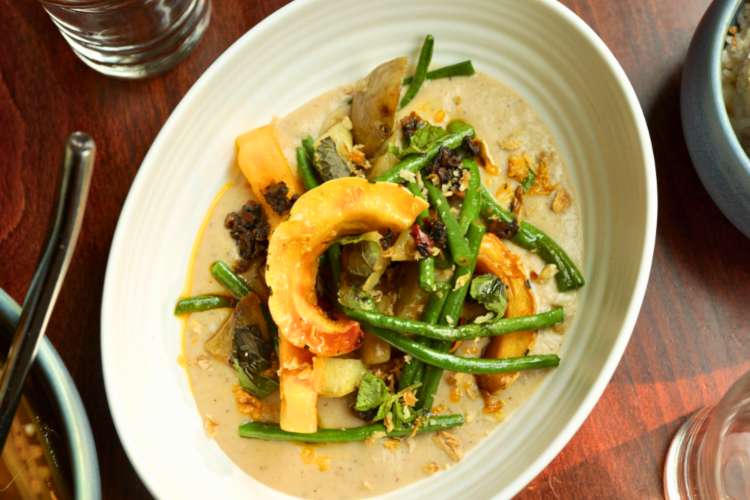
Blueberries, kale, and wild mushrooms are superfoods that grow naturally in the Pacific Northwest. Incorporating these into daily diets represents a relentless shift toward nutrient density and antioxidants. Farmers markets in Ballard (map) spotlight these superfoods every season.
Sports Nutrition for Everyday People
Athletes and recreational exercisers alike are borrowing sports nutrition strategies like carb-loading before long hikes or protein shakes after gym sessions. These practices are no longer limited to professionals; they’ve become common shifts among residents. Sports-focused stores around University District (map) provide resources for everyday athletes.
Zero-Alcohol Lifestyle Movement
A growing number of Seattleites are reducing alcohol or eliminating it entirely in favor of mocktails, kombucha, or sparkling water. This diet shift dramatically improves sleep, liver health, and calorie balance. Trendy zero-alcohol bars are popping up in Capitol Hill (map).
Urban Gardening as a Nutrition Source
Many Seattle residents grow their own herbs, vegetables, and even small fruit gardens in urban backyards or rooftops. This shift gives people direct access to organic, pesticide-free foods and creates a stronger connection to what they eat. Community gardens in Beacon Hill (map) promote this lifestyle.
Healthy Meal Delivery Services
Busy Seattle professionals often turn to meal delivery companies that specialize in calorie-controlled, nutrient-dense meals. These services ensure consistent eating habits even during hectic weeks. Delivery companies in Downtown Seattle (map) are leading the charge in convenient, health-oriented nutrition.
High-Protein Snacking Between Meals
Instead of reaching for chips or candy, locals embrace protein-forward snacks like Greek yogurt, cottage cheese, or roasted chickpeas. This prevents energy dips and reduces the temptation of unhealthy options. Grocery stores around Columbia City (map) highlight these healthy snack options.
Nutritional Education in Schools and Workplaces
Education is a powerful diet shift. Seattle schools and companies are increasingly providing nutritional workshops, cooking demos, and wellness challenges that promote long-term health. Community centers in West Seattle (map) often host family-friendly nutrition events.
The Slow Food Movement’s Influence
Embracing the slow food movement, Seattle residents focus on quality, sustainability, and enjoyment rather than convenience-driven eating. This deliberate approach reduces fast-food consumption and encourages mindful preparation. Restaurants in Capitol Hill (map) frequently spotlight slow-cooked, farm-fresh meals.
Focusing on Nutrient Density Instead of Calories Alone
One relentless shift is evaluating food based on nutrient density — vitamins, minerals, antioxidants — rather than just calories. Residents prioritize whole foods that fuel longevity and vitality. Wellness clinics around Madison Park (map) coach clients on making nutrient-dense choices daily.
Frequently Asked Questions About Relentless Diet Shifts
What are Relentless Diet Shifts in Seattle?
Relentless Diet Shifts in Seattle are long-term lifestyle changes that focus on sustainable eating, local food sourcing, and mindful nutrition practices rather than temporary diets.
How do Relentless Diet Shifts differ from fad diets?
Unlike fad diets that promise quick fixes, Relentless Diet Shifts emphasize gradual, consistent changes that create lasting health benefits and prevent rebound weight gain.
Can Relentless Diet Shifts help with weight loss?
Yes, Relentless Diet Shifts naturally support weight loss by encouraging nutrient-dense meals, portion control, and active lifestyle integration without extreme restrictions.
Do Relentless Diet Shifts require giving up favorite foods?
No, the goal of Relentless Diet Shifts is balance. You can still enjoy favorite foods in moderation while prioritizing healthier options most of the time.
Are Relentless Diet Shifts suitable for busy professionals?
Absolutely. Relentless Diet Shifts often include meal prepping, smart snacking, and tech-based nutrition tracking, making them perfect for Seattle’s fast-paced workforce.
What role does coffee play in Relentless Diet Shifts?
In Seattle, coffee is reimagined within Relentless Diet Shifts by focusing on sugar-free, plant-based alternatives that provide clean energy without harming health.
Can Relentless Diet Shifts improve mental clarity?
Yes, by stabilizing blood sugar and avoiding processed foods, Relentless Diet Shifts improve focus, reduce brain fog, and support overall cognitive performance.
How do Relentless Diet Shifts address cravings?
Relentless Diet Shifts tackle cravings by replacing unhealthy snacks with nutrient-dense options and using mindful eating practices to control emotional eating.
Are Relentless Diet Shifts expensive to follow?
Not necessarily. While some organic or specialty foods may cost more, Relentless Diet Shifts emphasize farmers markets, seasonal eating, and bulk buying, which can save money long-term.
Do Relentless Diet Shifts work for vegetarians and vegans?
Yes, Relentless Diet Shifts can be fully plant-based, focusing on legumes, grains, vegetables, and alternative proteins without compromising nutritional balance.
Can Relentless Diet Shifts be family-friendly?
Absolutely. Families can adopt Relentless Diet Shifts together by preparing balanced meals, cooking at home, and introducing children to healthy eating early.
How do Relentless Diet Shifts support immunity?
By emphasizing whole foods, fermented products, and antioxidant-rich ingredients, Relentless Diet Shifts strengthen the immune system naturally.
Do Relentless Diet Shifts include supplements?
Supplements are not the core focus, but some people add vitamins, omega-3s, or probiotics to enhance Relentless Diet Shifts depending on personal needs.
Are Relentless Diet Shifts easy to maintain long-term?
Yes, because they focus on gradual, enjoyable changes rather than restrictions, making Relentless Diet Shifts much easier to sustain over the years.
How do Relentless Diet Shifts fit into Seattle’s lifestyle?
Seattle residents embrace Relentless Diet Shifts by blending outdoor activities, farmers markets, and sustainable dining options into their health routines.
Can Relentless Diet Shifts reduce stress?
Yes, mindful eating practices, reduced caffeine dependency, and balanced nutrition within Relentless Diet Shifts help manage stress and support mental wellness.
Do Relentless Diet Shifts work without exercise?
While Relentless Diet Shifts can improve health without exercise, pairing them with regular physical activity amplifies fat loss and energy benefits.
Can Relentless Diet Shifts improve digestion?
Yes, fiber-rich meals, probiotics, and reduced processed foods in Relentless Diet Shifts all contribute to smoother digestion and gut health.
Are Relentless Diet Shifts culturally adaptable?
Definitely. Relentless Diet Shifts are flexible and can incorporate cultural cuisines such as Asian stir-fries, Mediterranean mezze, or Latin-inspired bowls.
Do Relentless Diet Shifts allow dining out?
Yes, with mindful choices like lean proteins, veggie-heavy meals, and portion awareness, Relentless Diet Shifts can easily fit restaurant dining.
How do Relentless Diet Shifts impact sleep?
By reducing sugar, caffeine, and heavy late-night meals, Relentless Diet Shifts promote deeper, more restorative sleep cycles.

Can Relentless Diet Shifts work for seniors?
Yes, Relentless Diet Shifts are adaptable for seniors by emphasizing bone-strengthening nutrients, easy-to-digest foods, and portion-controlled meals.
Are Relentless Diet Shifts safe for teenagers?
When supervised, Relentless Diet Shifts are safe for teens, helping them learn balanced eating habits that support growth and energy.
What is the biggest challenge of Relentless Diet Shifts?
The main challenge is consistency, but community support, tech tools, and accountability make Relentless Diet Shifts easier to maintain.
Where can I learn more about Relentless Diet Shifts in Seattle?
You can explore health blogs on ihoxi.xyz and visit local wellness centers around Seattle (map) for workshops and guidance.