Unlock your ultimate strength Primal Gym Titan, endurance, and athletic performance using these high-intensity, proven American fitness strategies.
Blueprint One: Explosive Compound Lifts
Squats, deadlifts, and bench presses engage multiple muscle groups simultaneously, building unparalleled strength and raw power. Learn more at NSCA.
Blueprint Two: High-Intensity Interval Training (HIIT)
Alternating bursts of intense exercise with short recovery maximizes calorie burn, improves cardiovascular fitness, and enhances endurance. Check CDC guidelines here.
Blueprint Three: Plyometric Power Drills
Jump squats, box jumps, and medicine ball throws amplify speed, agility, and explosive strength for elite performance.
Blueprint Four: Core and Stability Mastery
Planks, rotational movements, and anti-rotation exercises build a resilient core, enhance lifting mechanics, and protect against injury.
Blueprint Five: Functional Training Circuits
Full-body circuits combining strength, cardio, and mobility improve real-world performance and athletic adaptability. Visit ExRx.net for examples.
Blueprint Six: Periodized Strength Programming
Structured phases of intensity, volume, and recovery prevent plateaus and maximize muscular growth. Learn periodization techniques at ACE Fitness.
Blueprint Seven: Grip and Forearm Power
Farmer’s carries, wrist curls, and hangs strengthen grip and forearms, which translates into more effective lifts and functional strength.
Blueprint Eight: Metabolic Conditioning
CrossFit-style WODs and circuits enhance endurance, energy efficiency, and full-body power. Explore training methods at CrossFit.
Blueprint Nine: Mobility and Recovery Protocols
Yoga, stretching, foam rolling, and active recovery improve joint mobility, reduce soreness, and sustain long-term training intensity.
Blueprint Ten: Mindset and Visualization Techniques
Focusing on mental strength, goal setting, and visualization increases motivation, concentration, and lifting efficiency, empowering you to reach mastery levels.
Interactive Map: Elite U.S. Fitness Centers
Explore gyms across the U.S. implementing these high-voltage fitness blueprints for maximum performance and results.
© 2025 ihoxi.xyz. All rights reserved.
Unilateral Strength Training for Balance
Single-arm presses, lunges, and one-leg deadlifts target imbalances, stabilize joints, and improve coordination, allowing for more effective overall strength gains.
Sandbag and Odd-Object Lifting
Lifting unconventional objects like sandbags challenges your core, grip, and stabilizer muscles differently than standard gym equipment, enhancing functional strength and resilience.
Variable Resistance Techniques
Using resistance bands, chains, or cambered bars adds dynamic tension throughout lifts, stimulating muscles uniquely and promoting explosive power development.
Animal Flow Workouts for Mobility
Animal Flow and ground-based movements improve joint mobility, flexibility, and coordination while building core strength in a dynamic and engaging manner.
Contrast Training for Power Development
Alternating between heavy lifts and explosive plyometric exercises recruits fast-twitch muscle fibers, enhancing power output and athletic performance.
Tabata Training for Cardiovascular Efficiency
Short bursts of maximum effort followed by minimal rest improve cardiovascular conditioning, metabolic efficiency, and muscular endurance in a time-efficient format.
Weighted Carries for Functional Core Strength
Farmer’s walks, overhead carries, and suitcase carries develop core stability, grip strength, and full-body coordination, transferring directly to real-life performance.
Rotational Strength and Anti-Rotation Exercises
Incorporating twists, Pallof presses, and rotational cable exercises strengthens obliques and stabilizers, improving posture, athletic performance, and injury prevention.
Low-Impact High-Intensity Cardio
Using rowing machines, assault bikes, or swimming provides intense cardiovascular stimulus while minimizing joint stress, making high-intensity workouts safer and sustainable.
Grip-Specific Training for Maximum Strength
Dead hangs, thick-bar lifts, and pinch grips enhance grip endurance and forearm development, directly influencing lifting performance and functional strength.
Incline and Decline Movement Variations
Changing angles for presses, rows, and squats targets muscles differently, ensures balanced development, and increases overall strength potential.
Isometric Holds for Stabilization
Holding positions such as planks, wall sits, or paused squats builds muscular endurance, improves joint stability, and reinforces proper lifting mechanics.
Dynamic Warm-Up Sequences
Incorporating mobility drills, band work, and dynamic stretches before training prepares the body, increases range of motion, and reduces injury risk.
Speed and Agility Ladder Drills
Agility ladder exercises enhance coordination, foot speed, and lower-body reaction time, making movements faster and more efficient in athletic contexts.
Bodyweight Skill Progressions
Mastering movements like handstands, pull-ups, and planches develops core strength, balance, and neuromuscular control while challenging the body in new ways.
Foam Rolling and Active Recovery
Regular use of foam rollers and active recovery sessions reduces soreness, improves blood flow, and maintains mobility for consistent high-intensity performance.
Multi-Plane Training for Athletic Performance
Training in sagittal, frontal, and transverse planes ensures muscles and joints develop evenly, supporting agility, coordination, and functional strength.
Breathing Techniques for Performance
Practicing diaphragmatic breathing, box breathing, or tactical exhalation improves oxygen delivery, core stability, and endurance during heavy lifts or high-intensity cardio.
Micro-Workouts for Daily Energy
Short bursts of exercise throughout the day maintain metabolic activity, reduce sedentary effects, and complement traditional gym sessions for improved overall fitness.
Time Under Tension for Muscular Growth
Slowing down concentric and eccentric phases of lifts increases muscle activation, improves control, and stimulates hypertrophy effectively without heavier loads.
Explosive Sprint Variations
Short-distance sprints, hill sprints, and resisted sprints increase lower-body power, fast-twitch muscle activation, and cardiovascular efficiency. Integrating sprint variations into your routine can dramatically boost speed and athletic performance.
Advanced Pulling Movements
Weighted pull-ups, single-arm rows, and cable pulldowns target the upper back, lats, and biceps, improving posture, grip, and upper-body pulling power essential for functional strength.
Dynamic Plyometric Chains
Combining jumps, hops, and bounds in sequence challenges neuromuscular control, enhances leg elasticity, and develops explosive power for sports and high-intensity training sessions.
Core Rotational Power Development
Exercises like Russian twists, woodchoppers, and cable rotations strengthen obliques, transverse abdominis, and deep core muscles, improving rotational strength and overall athletic performance.
Suspension Training for Full-Body Engagement
TRX and suspension straps create instability, forcing the body to recruit stabilizer muscles, build core strength, and enhance muscular endurance in a dynamic, functional way.
Weighted Step-Ups and Lunge Variations
Step-ups and lunges with dumbbells, kettlebells, or weighted vests build unilateral leg strength, hip mobility, and balance, providing foundational power for jumps and sprinting.
Explosive Medicine Ball Slams
Throwing and slamming medicine balls engage the full kinetic chain, increase core power, and improve coordination, making it a versatile tool for both strength and conditioning.
High-Intensity Rowing Intervals
Using a rowing machine in timed intervals builds cardiovascular endurance, strengthens the posterior chain, and enhances overall conditioning for high-performance training.
Bodyweight Skill Challenges
Mastering handstands, planches, and advanced push-up variations develops coordination, core stability, and upper-body strength, adding functional power to your gym performance.
Explosive Hip Thrust Variations
Weighted or band-resisted hip thrusts strengthen glutes and hamstrings, increase hip extension power, and improve sprinting speed and jumping ability for functional athletic gains.
Resistance Band Acceleration Drills
Adding resistance bands to sprints or jumps challenges acceleration mechanics, builds explosive leg strength, and reinforces proper force application through the kinetic chain.
Functional Carry Circuits
Farmer’s carries, suitcase carries, and overhead walks in sequence develop grip, core stability, endurance, and coordination, enhancing full-body functional performance.
Unilateral Overhead Pressing
Single-arm overhead presses stabilize shoulders and core while improving unilateral strength, ensuring balanced muscular development and reducing risk of imbalances.
Barbell Complex Training
Performing sequences like deadlift, row, clean, front squat, and press without rest enhances endurance, coordination, and muscular strength, providing high-intensity, full-body stimulus.
Agility and Ladder-Based Plyometrics
Using agility ladders with hops, lateral movements, and multi-directional jumps improves foot speed, coordination, and neuromuscular efficiency for sport-specific performance.
Isometric Holds in Compound Movements
Pausing during squats, presses, and pull-ups increases time under tension, reinforces control, and strengthens stabilizers, enhancing both strength and joint integrity.
Low-Impact Explosive Training
Using kettlebells, resistance bands, or pool-based exercises allows high-intensity training without joint stress, improving power, speed, and endurance safely over time.
Breath Control for Maximum Effort
Practicing diaphragmatic breathing and controlled exhalations under load improves oxygen delivery, core stabilization, and endurance during high-intensity or heavy lifting sessions.
Multi-Directional Sprint Work
Incorporating lateral, diagonal, and backward sprints enhances agility, balance, and lower-body power, improving overall athleticism beyond straight-line speed.
Time-Efficient Micro-Workouts
Short, focused sessions using compound movements and high-intensity intervals maintain metabolic activity and strength without requiring long gym sessions, perfect for busy schedules.
Explosive Box Jump Variations
Box jumps with different heights, depths, or lateral movements improve lower-body power, agility, and coordination, helping athletes generate greater vertical force.
Weighted Vest Conditioning
Adding a weighted vest to bodyweight exercises like push-ups, squats, and lunges increases intensity, builds strength endurance, and challenges the cardiovascular system simultaneously.
Medicine Ball Rotational Throws
Rotational medicine ball throws enhance core rotation, power transfer through the hips, and overall athletic explosiveness, benefiting sports and functional movements.
Tempo Training for Strength Control
Controlling the speed of both eccentric and concentric phases in lifts increases muscle activation, develops control, and promotes hypertrophy without heavy loads.
Advanced Kettlebell Flows
Complex kettlebell sequences combining swings, snatches, and cleans improve coordination, grip strength, and endurance while challenging full-body strength dynamically.
Plyometric Push-Up Variations
Clap push-ups, medicine ball push-ups, and explosive hand-release push-ups enhance upper-body power, shoulder stability, and neuromuscular responsiveness.
Stability Ball Core Challenges
Using a stability ball for crunches, planks, and rollouts engages deep core muscles, improves balance, and reinforces spinal stability during dynamic movements.
TRX Single-Leg Squats
Suspension-based single-leg squats enhance unilateral leg strength, balance, and hip stability, making them highly effective for functional lower-body development.
Advanced Rope Climbing Techniques
Rope climbs improve upper-body pulling strength, grip endurance, and coordination, while engaging the core and legs for full-body conditioning.
Lateral Bound Training
Side-to-side jumps and lateral bounds increase hip stability, leg power, and agility, preparing athletes for multi-directional sports movements.
Battle Rope Conditioning
High-intensity battle rope exercises engage the upper body, core, and cardiovascular system simultaneously, providing dynamic strength and endurance benefits.
Incline and Decline Push-Up Variations
Adjusting angles for push-ups targets different regions of the chest and shoulders, ensuring balanced upper-body strength and muscular development.
Farmer’s Walk Ladder Progressions
Increasing weight, distance, or time in farmer’s carries improves grip strength, core stability, and full-body functional endurance progressively.
Boxing and Shadow Boxing for Conditioning
Punching drills, combinations, and shadowboxing improve hand-eye coordination, cardiovascular fitness, and overall athletic endurance while building core strength.
Agility Cone Drills
Running around cones in patterns such as T-drills, shuttle runs, and zig-zags enhances footwork, reaction time, and lateral agility essential for sports performance.
Stability Ball Hamstring Curls
Using a stability ball for hamstring curls strengthens posterior chain muscles, improves knee stability, and complements explosive leg training safely.
Single-Leg Romanian Deadlifts
One-legged deadlifts improve balance, glute and hamstring strength, and enhance unilateral power for functional and athletic movements.
Resistance Band Hip Abductions
Using bands for lateral leg movements strengthens glute medius and hip stabilizers, improving movement efficiency and reducing injury risk.
Boxing Footwork Drills
Practicing footwork patterns such as pivots, slides, and angles enhances agility, balance, and coordination, benefiting both athletes and functional training enthusiasts.
Weighted Jump Squats
Adding light weights or dumbbells to jump squats increases lower-body power, endurance, and explosiveness, while reinforcing proper landing mechanics.
Frequently Asked Questions: Primal Gym Titan
What does it mean to be a Primal Gym Titan?
Being a Primal Gym Titan means developing unmatched strength, endurance, and athletic performance through high-intensity, functional training strategies.
How can I start training like a Primal Gym Titan?
Begin with compound lifts, functional exercises, and high-intensity interval training to build a strong foundation, then gradually incorporate advanced techniques.
What is the best diet for a Primal Gym Titan?
Focus on high-protein, nutrient-dense meals, healthy fats, and complex carbohydrates to fuel intense workouts and support recovery for Primal Gym Titan performance.
How often should a Primal Gym Titan train per week?
Training 4–6 times per week with a mix of strength, conditioning, and mobility sessions allows optimal performance and recovery for a Primal Gym Titan.
Can beginners become a Primal Gym Titan?
Yes! By progressively increasing intensity, focusing on technique, and staying consistent, anyone can evolve into a Primal Gym Titan over time.
What role does mobility play for a Primal Gym Titan?
Mobility enhances joint range of motion, reduces injury risk, and allows Primal Gym Titans to execute high-intensity movements effectively.
Are supplements necessary for a Primal Gym Titan?
Supplements like protein powders, creatine, and BCAAs can aid recovery and performance, but they should complement a solid diet for a Primal Gym Titan.
How important is mental toughness for a Primal Gym Titan?
Mental resilience is crucial, as it drives consistency, focus, and the ability to push through challenging workouts as a true Primal Gym Titan.
Can Primal Gym Titan training improve sports performance?
Yes, the combination of strength, endurance, agility, and power developed in Primal Gym Titan training translates directly to enhanced athletic performance.
How long does it take to see results as a Primal Gym Titan?
With consistent training, nutrition, and recovery, noticeable improvements in strength, endurance, and physique can occur within 8–12 weeks.
Is cardio necessary for a Primal Gym Titan?
Cardiovascular training improves endurance, heart health, and recovery capacity, complementing the high-intensity strength training of a Primal Gym Titan.
Can women train to become a Primal Gym Titan?
Absolutely! Primal Gym Titan training principles apply to everyone, with adaptations for individual strength levels, goals, and body mechanics.
How do I prevent injuries as a Primal Gym Titan?
Focus on proper technique, progressive overload, adequate rest, and mobility work to train safely and sustain Primal Gym Titan-level performance.
What equipment is essential for a Primal Gym Titan?
Core equipment includes barbells, dumbbells, kettlebells, resistance bands, medicine balls, and a pull-up bar to perform versatile functional workouts.
How should a Primal Gym Titan structure their weekly workouts?
Combine strength training, conditioning circuits, mobility, and recovery sessions strategically to maximize performance and minimize fatigue.
Can bodyweight exercises develop a Primal Gym Titan physique?
Yes, advanced bodyweight movements like handstands, planches, and pistol squats build strength, balance, and muscular endurance for a Primal Gym Titan.
What role does sleep play for a Primal Gym Titan?
Sleep supports muscle recovery, hormonal balance, and mental focus, all essential components for maintaining Primal Gym Titan-level performance.
Are recovery techniques important for a Primal Gym Titan?
Techniques such as foam rolling, stretching, and active recovery maintain flexibility, reduce soreness, and sustain high-intensity training capabilities.
How can a Primal Gym Titan maintain motivation?
Setting measurable goals, tracking progress, varying workouts, and celebrating milestones help sustain focus and drive for a Primal Gym Titan.
Can HIIT training enhance Primal Gym Titan results?
High-intensity interval training improves cardiovascular fitness, muscular endurance, and fat metabolism, complementing strength-focused Primal Gym Titan routines.
Is flexibility training part of being a Primal Gym Titan?
Flexibility improves range of motion, reduces injury risk, and allows Primal Gym Titans to perform complex movements more efficiently.
How important is progressive overload for a Primal Gym Titan?
Gradually increasing weights, reps, or intensity ensures continuous improvement in strength, power, and endurance, essential for any Primal Gym Titan.
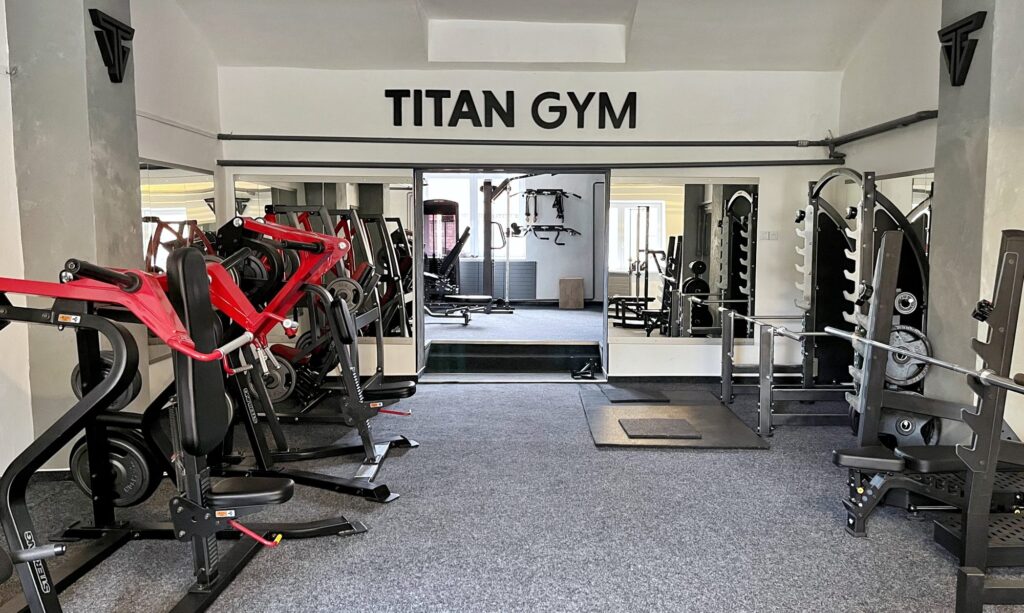
Can functional training make me a Primal Gym Titan?
Yes, exercises that mimic real-life movements enhance practical strength, agility, and coordination, key attributes of a Primal Gym Titan.
How should a Primal Gym Titan track their progress?
Use workout logs, performance metrics, photos, and body measurements to track strength, endurance, and physique changes over time.
Can supplements replace training for a Primal Gym Titan?
No, supplements only support nutrition. True Primal Gym Titan results come from consistent training, proper recovery, and a disciplined diet.
What mindset is required to become a Primal Gym Titan?
Discipline, resilience, focus, and a willingness to push past limits define the mindset necessary to achieve and sustain Primal Gym Titan-level mastery.