Embrace the bold nutrition strategies that local New Orleans dieters use to rise like titans. These six plate-building tactics are backed by science, aligned with local resources like Eat Fit NOLA and USDA MyPlate, and tailored to help you build strength, lose weight, and conquer your goals.
Tactic 1: Half-Plate of Vegetables, Always
Dozens of nutrition studies—and MyPlate guidelines—stress that half your plate should be vegetables and fruits. This maximizes fiber, micronutrients, and volume while minimizing calories. Local health initiatives advocate this simple rule as a foundational plate-building approach in New Orleans :contentReference[oaicite:0]{index=0}.
Tactic 2: Lean Protein Takes One-Quarter
Fill one-quarter of your plate with lean proteins—grilled chicken, beans, fish, tofu, or eggs—to support muscle repair and satiety. Eat Fit NOLA-approved entrees follow strict calorie and sodium limits while ensuring your protein targets are hit :contentReference[oaicite:1]{index=1}.
Tactic 3: Whole Grains or Starchy Vegetables for the Last Quarter
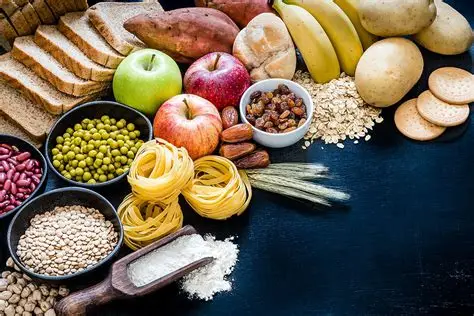
The remaining quarter? Choose whole grains or starchy vegetables—think brown rice, quinoa, sweet potato—to provide sustainable energy. Avoid refined white carbs common in NOLA comfort food to maintain blood sugar control :contentReference[oaicite:2]{index=2}.
Tactic 4: Use Local Eat Fit NOLA Spots for Balanced Meals
New Orleans’ Eat Fit NOLA program certifies restaurants offering meals under 600 calories, limited sodium, lean protein, plant fats, and whole grains. Visiting these certified venues allows residents to dine out without derailing their plate-building strategy :contentReference[oaicite:3]{index=3}.
Tactic 5: Customize Plates with Local Greens and Seasonal Produce
Take advantage of New Orleans’ vibrant seasonal produce: leafy greens, okra, sweet peas, and squash. Adding these to your plate increases fiber and nutrition density while keeping calories low—a tactic NOLA dieters often use to rise like titans.
Tactic 6: Hydration & Smart Beverages, Not Empty Calories
Skip sugar-sweetened beverages—the leading source of added sugars in American diets—and hydrate with water or unsweetened drinks. The city’s health department promotes “water as medicine” messaging to reinforce this plate-supporting habit :contentReference[oaicite:4]{index=4}.
Eat Fit NOLA Certified Spots for Plate-Building
Use these local certified healthy eateries to build balanced plates even when dining out. Each supports disciplined plate-building tactics to help you rise like a titan.
::contentReference[oaicite:5]{index=5}
Why These Plate-Building Tactics Help You Rise Like Titans
Combined, these tactics ensure your plate is balanced, micronutrient-rich, and supportive of long-term energy and metabolism. They’re disciplined yet flexible—so you can enjoy New Orleans flavor while progressing toward your goals.
Internal Links
- Guide to Healthy Eating in New Orleans
- Mastering MyPlate: Build Balanced Meals
- Contact iHOXI for Personalized Nutrition Coaching
External Resources
- USDA MyPlate official guidelines :contentReference[oaicite:6]{index=6}
- Eat Fit NOLA certified restaurants :contentReference[oaicite:7]{index=7}
- New Orleans Health Department: Nutrition Education :contentReference[oaicite:8]{index=8}
- Eating Healthy in New Orleans guide :contentReference[oaicite:9]{index=9}
By consistently applying these plate-building tactics—paired with local resources, mindful food choices, and structured habits—you’ll rise like a titan in your health and nutrition journey. Let New Orleans support your transformation one balanced plate at a time.
The Psychology of Plate-Building Discipline
Dieters in New Orleans often stress that mental discipline is just as important as nutrition itself. By setting clear intentions before each meal—such as sticking to half-plate vegetables or avoiding fried add-ons—they create a structured eating environment that reduces temptation and builds long-term habits.
Cultural Fusion: Blending Cajun Flavors With Healthy Eating
New Orleans cuisine is famous for its Cajun and Creole roots, yet dieters here find creative ways to keep the spice without the excess calories. Using spices like cayenne, paprika, and garlic enhances flavor naturally while cutting back on heavy sauces or fried components. This tactic lets them enjoy local tradition while maintaining a titan’s plate.
Portion Control as a Daily Strategy
Rather than banning favorite foods, many New Orleans dieters focus on portion control. They downsize plate sections, use smaller dishes, or pre-portion snacks into containers. This subtle tactic allows indulgence in beignets or gumbo while staying aligned with the plate-building framework.
Tech Tools for Smarter Plates
Apps like MyFitnessPal, Lose It!, and Eat Fit NOLA’s own nutrition tracker are widely used to log meals, monitor macros, and keep tabs on sodium intake. By using technology as a daily accountability partner, dieters ensure that each plate meets the standards of their 90-day or long-term goals.
Balancing Soul Food With Modern Nutrition
Many locals achieve balance by modernizing soul food recipes. Instead of deep-fried catfish, they choose air-fried alternatives; instead of heavy cream sauces, they opt for Greek yogurt bases. This adaptation keeps cherished cultural dishes alive while aligning with modern dietary needs.
Plant-Based Movement in New Orleans
Plant-forward dining is on the rise in the Crescent City. Dieters use plate-building tactics that prioritize legumes, leafy greens, and locally sourced vegetables, reducing reliance on animal fats. Restaurants and farmers’ markets in the city support this trend with fresh seasonal options.
Active Lifestyle Complements Plate-Building
Nutrition doesn’t exist in isolation. New Orleans dieters often pair their plate-building tactics with active lifestyles—walking the French Quarter, cycling along the levees, or joining local fitness clubs. Movement amplifies the nutritional benefits of a well-constructed plate.
Timing Meals for Titan Energy
When you eat matters as much as what you eat. Many locals follow time-restricted eating, spacing meals to maximize energy during the day and allow digestive rest at night. This strategy supports metabolism and makes each plate-building tactic more effective.
Local Drinks That Support Plate-Building
While sugary daiquiris and sodas dominate tourist choices, New Orleans dieters favor unsweetened iced tea, infused water with lemon or mint, and kombucha. These alternatives refresh without sabotaging calorie goals, aligning beverages with the balance of a titan’s plate.
Setting Weekly Plate Goals
Instead of vague resolutions, NOLA dieters set specific weekly goals such as “three seafood meals” or “five days with no fried food.” Tracking these micro-goals makes the broader plate-building strategy feel attainable and rewarding over time.
Historical Roots of Food Culture in New Orleans
To understand modern plate-building, it helps to look at the history of food in New Orleans. French, Spanish, African, and Caribbean influences shaped the rich cuisine that locals enjoy today. While historically heavy in butter, roux, and fried components, modern dieters reinterpret these traditions by substituting healthier cooking techniques without losing authenticity. This blending of heritage with nutrition creates a sustainable path forward.
Farmers’ Markets as Plate-Building Hubs
Local farmers’ markets such as the Crescent City Farmers Market provide fresh, seasonal, and organic produce. These hubs allow dieters to stock up on kale, squash, tomatoes, and peppers while supporting local growers. By making farmers’ markets part of their weekly routine, NOLA residents transform shopping into a direct step toward building nutrient-rich plates that fuel strength and vitality.
The Role of Meal Prep in Plate Success
Meal prepping is a powerful tactic in the arsenal of successful dieters. By dedicating one day each week to batch-cooking lean proteins, steaming vegetables, and preparing whole grains, individuals ensure that nutritious meals are always available. In a city where fried and high-sodium options are abundant, meal prep helps avoid impulsive decisions that derail health goals.
Seafood as a Local Superfood
New Orleans’ proximity to the Gulf means seafood is abundant and affordable. Shrimp, oysters, crawfish, and catfish provide lean protein and omega-3 fatty acids that support heart health and muscle repair. By grilling or baking instead of frying, dieters elevate seafood into a titan-worthy plate-building staple while staying true to local culinary traditions.
Flavor Without Calories: Herbs and Spices
One of the secrets New Orleans dieters use is leveraging spices instead of fats for flavor. Garlic, thyme, bay leaf, and cayenne are staples in Cajun cooking that add intensity without calorie overload. By seasoning smartly, plates become vibrant and satisfying without the need for heavy sauces or excess oil.
Soups and Stews as Balanced Plates
Soups and stews like gumbo can be modified to support plate-building. Using a lighter roux, more vegetables, lean protein, and reduced sodium broth transforms traditional comfort food into a meal that fits modern dietary needs. This tactic allows dieters to enjoy hearty flavors while maintaining balance on their plates.
Vitamin D and Outdoor Eating
New Orleans’ sunny climate encourages outdoor dining, which indirectly supports health. Sun exposure provides vitamin D, crucial for bone strength and immune function. Many dieters enjoy their plate-building meals outdoors, combining nutritional benefits with mood elevation and stress reduction.
Plate-Building and Strength Training Synergy
Dieters aiming to rise like titans know that nutrition fuels physical performance. Balanced plates rich in protein, complex carbs, and healthy fats directly support resistance training. Local fitness centers often collaborate with nutritionists, showing residents how their plate composition powers strength, endurance, and recovery.
Intermittent Fasting Meets Plate-Building
Some New Orleans dieters combine intermittent fasting with plate-building. This approach involves limiting eating to specific windows—such as an 8-hour daytime frame—while ensuring each meal within that window follows the balanced plate method. The synergy of fasting and structured eating maximizes fat loss while maintaining muscle.
The Rise of Superfoods in Crescent City
Superfoods like blueberries, kale, chia seeds, and avocados have become regulars on local plates. Restaurants and home cooks alike integrate these ingredients into salads, smoothies, and entrées. Their nutrient density supports recovery, immunity, and energy, making them key allies in the titan diet strategy.
Nutrition Education in the Community
Community organizations in New Orleans play a vital role in spreading awareness about healthy eating. Programs run in schools, churches, and community centers teach the fundamentals of balanced plates, portion control, and food label reading. These initiatives ensure that plate-building knowledge extends across generations and socioeconomic groups.
Plant-Based Protein Power
While seafood and lean meats dominate local cuisine, more dieters are incorporating plant-based proteins like lentils, beans, tempeh, and tofu. These options reduce saturated fat intake and align with eco-conscious values. Plant-based eating complements the titan approach by diversifying protein sources without compromising muscle growth.
Smoothies as Portable Plate-Builders
For busy professionals and students, smoothies are an ideal way to balance macros on the go. By blending spinach, bananas, protein powder, oats, and almond milk, locals create portable meals that tick every plate-building box. Smoothies act as nutrient-dense mini plates that support energy and focus throughout the day.
Smart Grocery Shopping Routes
New Orleans dieters often design their grocery trips with strategy. They shop the perimeter of stores—where fresh produce, meats, and dairy are located—while avoiding processed foods in central aisles. This simple adjustment ensures their kitchen stays stocked with titan-worthy plate ingredients.
Detox Benefits of Citrus Fruits
Citrus fruits like lemons, oranges, and grapefruits are abundant in Louisiana. Rich in vitamin C and antioxidants, they support detoxification and boost immunity. Incorporating citrus into plates—whether as dressings, marinades, or snacks—adds vibrancy and functional benefits.
Mindful Eating and Portion Awareness
Instead of rushing through meals, New Orleans dieters often practice mindful eating. They chew slowly, savor flavors, and pay attention to satiety cues. This mindfulness reduces overeating and enhances satisfaction, making plate-building not just a physical strategy but a mental one too.
Local Food Festivals and Healthy Choices
Food festivals are central to New Orleans culture, but dieters don’t avoid them—they navigate them wisely. By sharing plates, prioritizing grilled seafood options, or focusing on vegetable-heavy dishes, they enjoy festivities while keeping their nutrition intact. This balance proves that plate-building is flexible, not restrictive.
Salads as Creative Main Courses
Salads in New Orleans go far beyond iceberg lettuce. Dieters craft colorful salads with arugula, roasted sweet potatoes, pecans, goat cheese, and grilled shrimp. By layering textures and flavors, salads transform from side dishes into titan-level main courses.
Tracking Progress Beyond the Scale
Plate-building success isn’t measured only by weight. Locals track energy levels, workout performance, waist measurements, and even mood. This holistic approach to progress keeps motivation high and shifts focus from quick fixes to sustainable transformations.
Music, Culture, and Food Rituals
In New Orleans, food and music are inseparable. Many dieters create rituals around meals—listening to jazz while cooking, dining with family, or sharing balanced plates at community gatherings. These cultural connections turn nutrition into a joyful, sustainable lifestyle rather than a restrictive chore.
Social Media Accountability
Platforms like Instagram and TikTok feature New Orleans food influencers who showcase healthy spins on local classics. By sharing their plate-building strategies publicly, residents hold themselves accountable while inspiring others. Social networks become virtual support systems that reinforce healthy choices.
Frequently Asked Questions About Plate-Building Tactics
1. What are Plate-Building Tactics?
Plate-Building Tactics are structured strategies that help you design balanced meals by dividing your plate into sections of vegetables, lean proteins, whole grains, and healthy fats. These tactics promote energy, weight management, and long-term health.
2. Why are Plate-Building Tactics important for dieters in New Orleans?
In New Orleans, traditional cuisine is rich and flavorful but often heavy in calories and sodium. Plate-Building Tactics allow locals to enjoy cultural foods while maintaining balance and staying on track with their fitness goals.
3. How do Plate-Building Tactics support weight loss?
By filling half the plate with vegetables, a quarter with lean protein, and a quarter with whole grains, Plate-Building Tactics create calorie control, reduce overeating, and provide satiety without cutting out essential nutrients.
4. Can Plate-Building Tactics be used for muscle gain?
Yes. Adjusting portions of protein and complex carbohydrates within Plate-Building Tactics supports strength training and recovery, making them ideal for muscle growth while maintaining balanced nutrition.
5. Are Plate-Building Tactics suitable for plant-based eaters?
Absolutely. Plant-based dieters can use beans, lentils, tofu, and tempeh as protein sources while filling their plates with vegetables, fruits, and whole grains according to Plate-Building Tactics.
6. Do Plate-Building Tactics limit local New Orleans favorites?
No. Plate-Building Tactics encourage moderation. You can still enjoy gumbo, po’boys, and jambalaya by adjusting portion sizes and pairing them with more vegetables and lighter cooking methods.
7. How do Plate-Building Tactics compare to calorie counting?
Unlike strict calorie counting, Plate-Building Tactics emphasize visual balance and food quality. They simplify nutrition decisions without requiring constant tracking of numbers.
8. Can Plate-Building Tactics be used with intermittent fasting?
Yes, many dieters combine intermittent fasting with Plate-Building Tactics to ensure their eating windows are filled with balanced, nutrient-dense meals.
9. Are Plate-Building Tactics effective for children?
Yes. Teaching kids Plate-Building Tactics helps them develop healthy eating habits early, ensuring they get enough vitamins, minerals, and energy for growth and learning.
10. What role do portion sizes play in Plate-Building Tactics?
Portion control is central to Plate-Building Tactics. By limiting refined carbs and oversized servings, they ensure balanced nutrient intake and prevent excessive calories.
11. How can restaurants in New Orleans support Plate-Building Tactics?
Many restaurants now offer Eat Fit NOLA-certified meals that align with Plate-Building Tactics. Diners can choose lean proteins, whole grains, and vegetable sides to balance their plates.
12. Do Plate-Building Tactics work for people with diabetes?
Yes. Plate-Building Tactics help regulate blood sugar by pairing fiber-rich carbs with proteins and healthy fats, reducing glucose spikes.
13. How do Plate-Building Tactics improve energy levels?
By balancing macronutrients, Plate-Building Tactics provide steady energy throughout the day, avoiding crashes that come from sugary or highly processed foods.
14. Are Plate-Building Tactics flexible for different cuisines?
Yes. Whether eating Cajun, Mediterranean, or Asian cuisine, Plate-Building Tactics can be applied by adjusting the protein, vegetable, and grain portions accordingly.
15. Can Plate-Building Tactics reduce cravings?
Yes. Since Plate-Building Tactics emphasize fiber and protein, they keep you full longer and minimize cravings for unhealthy snacks.
16. How do Plate-Building Tactics affect metabolism?
Balanced meals from Plate-Building Tactics provide consistent fuel for the body, helping stabilize metabolism and improving fat-burning efficiency.
17. Do Plate-Building Tactics work for seniors?
Yes. Seniors benefit from Plate-Building Tactics by focusing on nutrient-dense foods that support bone health, digestion, and energy while managing calorie intake.
18. How do Plate-Building Tactics reduce food waste?
Since they promote planned portions and balanced ingredients, Plate-Building Tactics encourage smarter shopping and reduce unnecessary waste.
19. What beverages fit into Plate-Building Tactics?
Water, unsweetened tea, and infused water align with Plate-Building Tactics. Sugary drinks are discouraged because they add empty calories and disrupt balance.
20. Can Plate-Building Tactics be used for athletes?
Athletes use Plate-Building Tactics by increasing protein and complex carbs to support training. These tactics adapt easily to higher performance needs.
21. Are Plate-Building Tactics sustainable long-term?
Yes. Unlike restrictive diets, Plate-Building Tactics focus on balance and variety, making them practical and sustainable for years to come.
22. How do Plate-Building Tactics encourage mindful eating?
They slow down the eating process by making you aware of what fills your plate, encouraging focus on flavors, textures, and fullness cues.
23. Do Plate-Building Tactics require special ingredients?
No. Plate-Building Tactics can be achieved with everyday groceries like vegetables, grains, and proteins available at local markets and stores.
24. Can Plate-Building Tactics help with digestive health?
Yes. Fiber from vegetables, fruits, and whole grains improves digestion and gut health, making Plate-Building Tactics supportive of overall wellness.
25. How can beginners start using Plate-Building Tactics?
Beginners can start by visually dividing their plate into halves and quarters: half vegetables, one-quarter lean protein, and one-quarter whole grains. Over time, this simple habit evolves into a consistent, healthy lifestyle.