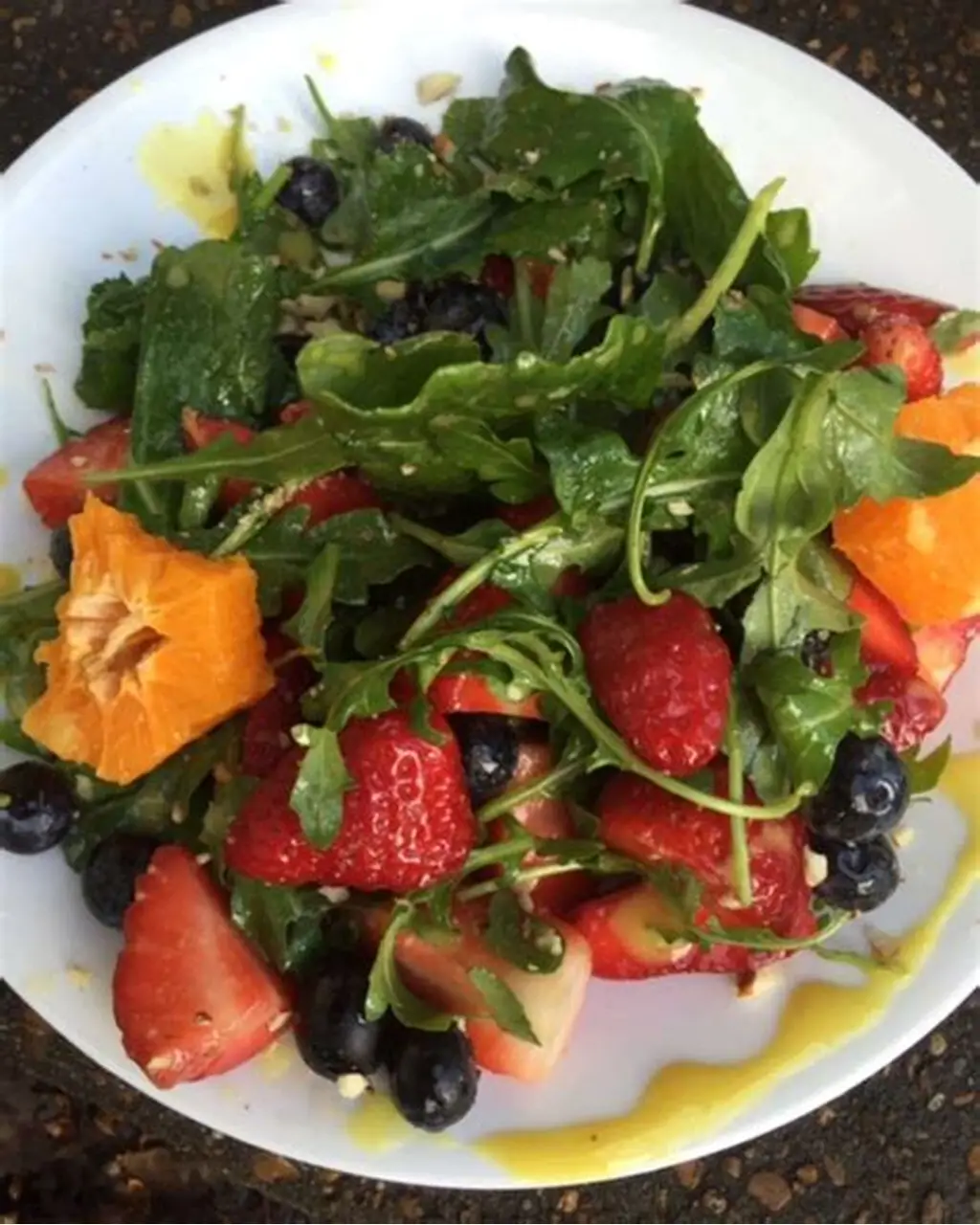
Dominate your diet Next-Level Health in 2025 with bold, research-backed strategies that American experts and institutions are promoting right now. Below are eight practical, high-impact approaches — each with actionable steps, trusted external sources, internal IHOXI links for deeper reading, and map locations so you can test these strategies where they thrive.
Adopt a Plant-Forward Plate (Not Perfection)
Prioritize whole plants — vegetables, fruits, whole grains, legumes, nuts and seeds — while letting quality animal products play a supporting role. A plant-forward approach reduces inflammation and improves metabolic resilience without demanding an all-or-nothing switch. The Harvard Healthy Eating Plate and USDA MyPlate both offer simple visual guides to balance meals and make plant-forward shifts practical. :contentReference[oaicite:0]{index=0}
Action: make half your plate vegetables and fruit at two meals per day this week. Read more in our Plant-Forward Guide.
Prioritize Protein and Smart Meal Timing
Protein stabilizes energy, preserves muscle, and supports recovery. Pair protein with fiber-rich carbs and healthy fats at key meals (especially morning and post-workout) to control appetite and keep performance high. Mayo Clinic nutrition advice highlights balanced meals and practical shopping/cooking strategies to make this sustainable. :contentReference[oaicite:1]{index=1}
Action: aim for a protein source at every meal — eggs, Greek yogurt, beans, fish, or lean poultry — and try a recovery meal within 60 minutes after tough sessions. See our Recovery Nutrition post for templates.
Cut Ultra-Processed Foods — Replace, Don’t Only Remove
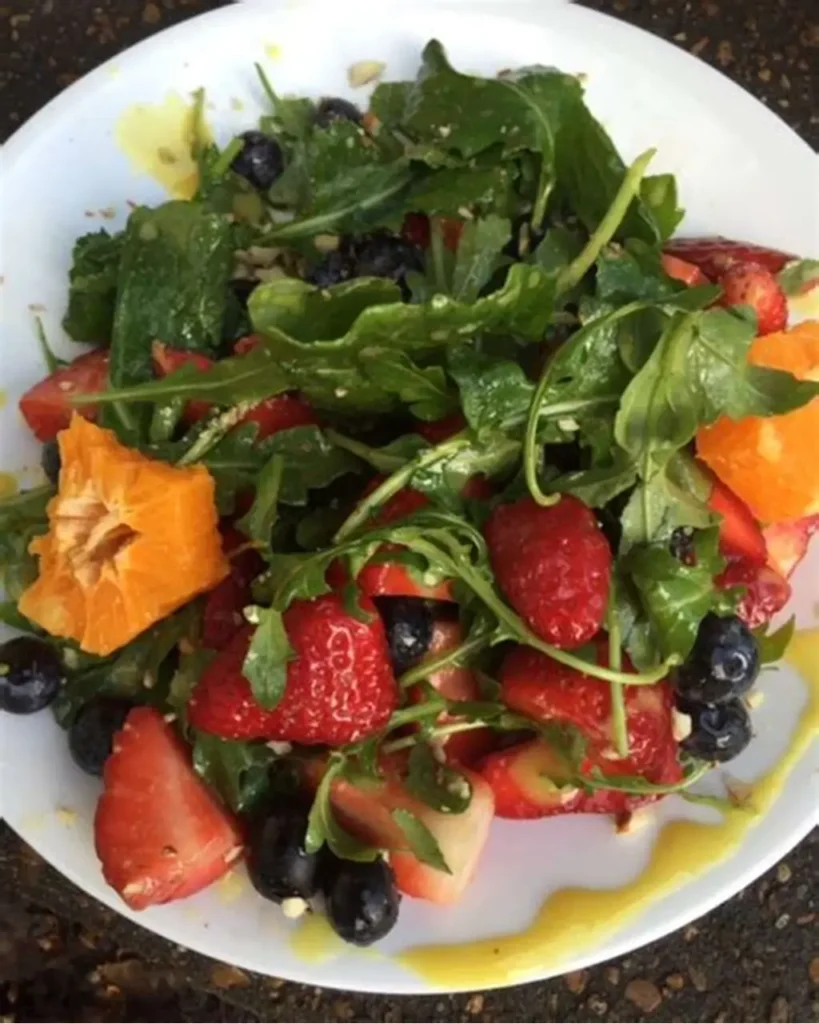
Ultra-processed items (high sugar, refined fats, long ingredient lists) undermine satiety and metabolic health. Instead of harsh restriction, swap them for satisfying whole-food alternatives: fruit + nut butter instead of a candy bar; roasted chickpeas instead of chips. The Academy of Nutrition and Dietetics provides practical habit-based tips for healthier choices and meal prep. :contentReference[oaicite:2]{index=2}
Action: pick one commonly eaten ultra-processed item and replace it with a whole-food version this week.
Invest in Home Cooking Skills — It’s a Superpower
Learning basic cooking improves food quality, cuts costs, and creates control over ingredients. The Mayo Clinic emphasizes meal planning and smart shopping as pillars of healthy eating. Culinary education (even short workshops at culinary schools or community classes) pays huge dividends to your plate and health. :contentReference[oaicite:3]{index=3}
Action: schedule two 30–45 minute cooking sessions this week — try a vegetable-forward skillet and a simple grain bowl. Our Meal Planning Kit has recipes and shopping lists.
Mind Your Beverage Game — Hydrate Strategically
Drinks are often hidden sources of sugar and calories. Favor water, unsweetened teas, and limit sugar-sweetened beverages — especially for kids and teens where new guidance emphasizes healthy drink choices. Swapping sugary drinks for water is one of the fastest ways to lower daily added sugars and improve sleep and metabolic health. :contentReference[oaicite:4]{index=4}
Action: replace one sugary drink per day with water or unsweetened tea and notice energy changes within a week.
Use Practical Personalization — Tests + Simplicity
Personalized nutrition (basic bloodwork, food logs, and simple microbiome insights) helps tailor what actually works for you. Start with inexpensive tests and habit experiments before escalating to costly programs. Use data to adjust fiber, protein, and timing rather than chasing trends. Trusted organizations provide evidence-based starting points for personalization. :contentReference[oaicite:5]{index=5}
Action: track one metric (sleep quality or mid-afternoon energy) while adjusting fiber or protein for four weeks to see what moves the needle.
Shop Local & Seasonal — Flavor, Nutrition, and Community
Seasonal produce from farmers markets often tastes better and can be more nutrient-dense; plus buying local strengthens food systems. U.S. markets like New York’s Union Square Greenmarket and Seattle’s Pike Place Market showcase seasonal variety and connect you with producers. Rotating seasonal produce keeps your plate interesting and your diet sustainable. :contentReference[oaicite:6]{index=6}
Action: visit a farmers market this month and pick three colorful items you’ve never cooked with before. Our Farmers Market Guide helps you navigate stalls.
Design a Food Environment That Makes Winning Easy
Change your kitchen to reduce decision friction: visible fruit bowl, pre-chopped veggies in clear containers, and healthy snacks at eye level. Small environmental tweaks drive big habit shifts. The USDA MyPlate messaging and public resources emphasize practical, incremental changes to eating patterns that stack over time. :contentReference[oaicite:7]{index=7}
Action: spend 20 minutes tonight re-organizing one shelf or drawer for healthy defaults — keep treats out of immediate reach.
Authoritative Sources & Further Reading
- Harvard T.H. Chan — Healthy Eating Plate (practical meal balance guidance). :contentReference[oaicite:8]{index=8}
- USDA MyPlate — official U.S. dietary guidance and resources. :contentReference[oaicite:9]{index=9}
- Mayo Clinic — healthy eating basics, cooking and shopping tips. :contentReference[oaicite:10]{index=10}
- Academy of Nutrition and Dietetics — evidence-based nutrition tips and handouts. :contentReference[oaicite:11]{index=11}
- Pike Place Market (Seattle) — seasonal produce & local vendors. :contentReference[oaicite:12]{index=12}
- Union Square Greenmarket (NYC) — farmers market maps & schedules. :contentReference[oaicite:13]{index=13}
Internal reading: Nutrition Basics · Free Meal Planner · Work with an IHOXI nutrition coach.
Map Links — Where to Experience Dietary Domination
Visit these U.S. locations to experience high-quality food systems, culinary education, and seasonal markets in person. Click to open each in Google Maps or the official site for hours, events, and vendor lists.
- Union Square Greenmarket — New York, NY
Official: grownyc.org/greenmarket
Map: Open Union Square Greenmarket in Google Maps. :contentReference[oaicite:14]{index=14} - Pike Place Market — Seattle, WA
Official: pikeplacemarket.org
Map: Open Pike Place Market in Google Maps. :contentReference[oaicite:15]{index=15} - Culinary Institute of America — Hyde Park, NY (education & workshops)
Official: ciachef.edu
Map: Open CIA Hyde Park in Google Maps. :contentReference[oaicite:16]{index=16}
Tip: farmers market inventory and hours change seasonally — check vendor lists on each market’s official site before you go.
Published on September 12, 2025 · © IHOXI
Sources: Harvard T.H. Chan School of Public Health, USDA MyPlate, Mayo Clinic, Academy of Nutrition and Dietetics, Pike Place Market, Union Square Greenmarket, Culinary Institute of America. :contentReference[oaicite:17]{index=17}
Empower Gut Health with Fermented Superfoods
Fermented foods like kimchi, sauerkraut, and kefir provide live cultures that enrich your microbiome, strengthening digestion and immune resilience. A robust gut environment fuels consistent energy and improved nutrient absorption, key to radiating next-level health.
Level Up with a Fiber Revolution
Fiber not only supports digestion but also stabilizes blood sugar and promotes satiety. Embrace beans, lentils, oats, and whole fruits to create a shield against chronic conditions while making meals more satisfying and energizing.
Experiment with Time-Restricted Eating
Time-restricted eating windows, such as 10 hours of eating and 14 hours fasting, may help regulate metabolism and improve recovery. This rhythm aligns with natural circadian cycles, giving your body a chance to reset daily.
Adopt Mindful Eating Practices
Slow down, savor bites, and tune into hunger cues. Mindful eating reduces overeating, enhances satisfaction, and fosters a better relationship with food. It’s a mental and physical performance enhancer hiding in plain sight.
Harness Superfood Synergy
Pair nutrient-dense foods for amplified effects — vitamin C-rich citrus with iron-rich spinach, or turmeric with black pepper for enhanced absorption. Combining the right foods boosts bioavailability and magnifies health benefits.
Supercharge Immunity with Micronutrient Diversity
A colorful plate signals a wide spectrum of vitamins and minerals. Rotating orange, red, green, and purple produce ensures your body receives antioxidants that guard against stress and illness.
Dominate the Week with Meal Prep Mastery
Prepping grains, proteins, and vegetables in bulk provides instant healthy options throughout the week. Meal prep transforms nutrition from chaotic to strategic, reducing temptations for poor choices.
Refine Portion Balance with Precision
Portion control doesn’t mean deprivation — it’s about fueling your body with exactly what it needs. Using smaller plates or pre-plating meals helps align calorie intake with performance goals.
Upgrade Snacking into Nutrient Wins
Snacks are opportunities, not setbacks. Choose almonds, trail mix, or Greek yogurt with berries instead of empty-calorie chips and sweets to power sustained energy between meals.
Cycle Nutrition with Seasonal Rhythms
Eating seasonally aligns with nature’s rhythms, offering fresher, nutrient-dense foods that match the body’s needs — cooling fruits in summer, grounding root vegetables in winter.
Leverage Technology for Food Tracking
Smartphone apps and wearables now provide effortless ways to monitor nutrient intake, hydration, and energy balance. Data-driven awareness allows dietary domination without guesswork.
Fuel Endurance with Omega Power
Omega-3 fatty acids from salmon, flaxseeds, and chia reduce inflammation, support brain function, and sharpen recovery. Including them regularly transforms dietary habits into health armor.
Balance Blood Sugar for Peak Performance
Pairing protein, fiber, and healthy fats with carbohydrates slows digestion, minimizing spikes and crashes. Stable energy is the silent driver behind endurance and focus.
Explore Functional Beverages
From kombucha to adaptogenic teas, functional drinks add hydration plus benefits like stress relief and gut support. When chosen wisely, they elevate your nutrition game.
Learn from Global Culinary Traditions
Incorporating Mediterranean, Japanese, or Latin American diet elements infuses variety and longevity wisdom. Cultural food practices remind us that nutrition is both science and art.
Prioritize Nutrient Density Over Calories
Quality matters more than quantity. Choosing foods packed with vitamins, minerals, and phytonutrients per bite maximizes health benefits while naturally regulating appetite.
Ignite Culinary Creativity at Home
Experimenting with spices, textures, and global recipes transforms healthy eating into a joyful act rather than a chore. Creativity sustains dietary commitment long-term.
Build Morning Rituals Around Nutrition
Starting your day with hydration, a balanced meal, or even a simple smoothie sets metabolic tone and mental focus. Morning food rituals ripple into stronger choices later.
Sync Sleep and Nutrition for Recovery
Nutrition doesn’t work in isolation — poor sleep derails metabolism. Combining quality food with restorative rest multiplies results, fueling long-term transformation.
Harness Community Support for Food Accountability
Group cooking classes, online forums, or local wellness groups provide encouragement, fresh ideas, and accountability that makes bold dietary strategies stick.
Adopt Anti-Inflammatory Eating Patterns
Chronic inflammation silently chips away at endurance, focus, and long-term health. By embracing anti-inflammatory foods like fatty fish, leafy greens, turmeric, ginger, and berries, you actively build a defense system against modern stressors. This strategy goes beyond diet fads by focusing on consistency, where your daily food choices reduce the risk of cardiovascular disease, diabetes, and joint pain. The key is sustainability: make simple swaps, like olive oil instead of butter or wild salmon instead of processed meats, and witness how subtle changes compound into monumental results over time.
Elevate Energy with Slow Carbs
Fast-digesting carbohydrates cause blood sugar peaks and valleys, leading to fatigue and cravings. Slow carbs — whole grains, legumes, starchy vegetables — digest gradually, supplying steady energy throughout the day. By focusing on foods that digest slower, you empower your metabolism to stay balanced and prevent burnout. Adding beans to lunch or switching from white rice to quinoa can provide a sustainable fuel source for workouts, brainpower, and recovery, letting you radiate health without relying on constant caffeine or sugar boosts.
Take Lessons from Blue Zone Diets
Blue Zones — regions with the world’s longest-living populations — highlight patterns worth adopting. Diets in Okinawa, Sardinia, and Costa Rica emphasize legumes, whole grains, vegetables, and limited animal products. These areas show how culture and food intersect to promote vitality. By weaving in beans, leafy greens, and traditional recipes inspired by these regions, you not only nourish your body but also connect with food in a more intentional, life-affirming way. Blue Zone-inspired habits are less about restriction and more about daily rituals that promote endurance and joy.
Empower Performance with Plant-Based Proteins
Plant-based proteins like lentils, tofu, seitan, tempeh, and edamame are surging as accessible, sustainable options that still deliver muscle recovery benefits. Unlike animal protein, they come with fiber, antioxidants, and fewer saturated fats. By incorporating them into your daily diet, you diversify nutrient intake and reduce the environmental footprint of your meals. Athletes and active individuals can blend both plant and animal proteins to maximize variety, ensuring that strength and recovery are never compromised in the pursuit of dietary domination.
Transform Meals with Spices as Medicine
Spices such as turmeric, cumin, cinnamon, garlic, and cayenne pepper do more than add flavor. They are functional, packed with antioxidants and anti-inflammatory compounds. Cinnamon helps balance blood sugar, turmeric fights joint inflammation, and garlic supports heart health. Integrating these spices into daily cooking is one of the simplest ways to fortify meals with added health benefits while keeping recipes exciting. Dietary domination becomes effortless when health-boosting ingredients double as taste enhancers, allowing flavor and wellness to coexist harmoniously on your plate.
Pair Nutrition with Digital Detox Moments
In a hyperconnected era, your food environment extends beyond what’s on the plate. Constant scrolling during meals disrupts mindful eating, often leading to overconsumption. By dedicating meal times to digital-free spaces, you heighten awareness of flavors, portion sizes, and satiety signals. This small shift magnifies the effects of a balanced diet by reconnecting you with the act of nourishment itself. Over time, it reduces stress, improves digestion, and reinforces positive eating rituals that fuel long-term transformation.
Commit to Food Sustainability
Sustainable eating is about choosing foods that nourish you while preserving resources for future generations. Opting for local produce, reducing food waste, and supporting regenerative farming creates a cycle of resilience that impacts not just personal health but also global well-being. Dietary domination in 2025 isn’t just about macros and calories — it’s about understanding the bigger picture of how food choices ripple outward. By aligning your health goals with sustainable habits, you build a lifestyle that is both impactful and ethical.
Integrate Hydration into Nutrition Planning
Hydration is often treated separately from diet, yet it is inseparable. Water assists nutrient transport, digestion, and muscle recovery. By integrating hydration into your nutrition plan — timing water intake before and after meals, combining fluids with electrolytes during workouts — you elevate performance and prevent fatigue. A dehydrated body struggles to metabolize food efficiently, making water as essential as any nutrient. Consider hydration part of your food strategy, not an afterthought.
Track Progress with Food Journaling
Food journaling is more than calorie counting; it’s about identifying habits, emotional triggers, and patterns. Recording what you eat, when, and how you feel afterward creates self-awareness. It allows you to spot the foods that elevate or drain your energy. In time, journaling transforms into a personalized roadmap for success, enabling informed decisions and reducing the power of unconscious snacking. Combined with reflection, this practice creates alignment between goals and actions, reinforcing long-term progress.
Experiment with Nutrient Timing for Maximum Impact
Nutrient timing isn’t just for elite athletes — it’s a tool for anyone chasing optimal performance. Eating carbs post-exercise accelerates glycogen recovery, while consuming protein throughout the day supports steady muscle repair. Adjusting when you eat certain foods enhances outcomes, whether your goal is energy, fat loss, or muscle growth. By aligning nutrient intake with activity levels, you turn each meal into a strategic move toward total dietary domination.

Strengthen Defenses with Immune-Reset Foods
Citrus fruits, garlic, mushrooms, and green tea form a powerhouse against seasonal challenges. These foods stimulate white blood cell activity and fortify natural immunity. Integrating them consistently creates an immune shield that helps your body bounce back quicker and resist illness. In a time where resilience is crucial, immunity-focused eating is a bold dietary strategy that supports both everyday vitality and long-term protection.
Use Glucose Control Hacks
Simple hacks like eating vegetables before carbohydrates, walking for 10 minutes after meals, or including vinegar in your diet can dramatically stabilize blood sugar levels. These hacks are backed by emerging research and provide practical, non-restrictive ways to maintain energy and avoid post-meal crashes. By adopting them, you upgrade your metabolism without restrictive dieting, keeping your health momentum consistent.
Adopt Proactive Supplementation Wisely
Supplements should fill gaps, not replace food. Vitamin D, magnesium, and omega-3s are commonly under-consumed in American diets, making them prime candidates for strategic supplementation. However, the smartest approach is testing for deficiencies before investing in bottles. Supplements act as insurance policies, but food remains the foundation. When used judiciously, they can supercharge results and support a complete nutrition plan.
Align Meal Timing with Social Connection
Food is not only fuel but also a cultural bond. Sharing meals with family, friends, or coworkers has been shown to increase dietary satisfaction and mental well-being. Aligning your meal patterns with social connections strengthens both adherence and happiness. Even one or two shared meals per week can transform the way you relate to food, making it more than a physical transaction but a tool for deeper connection.
Break Down Goals into Micro Wins
Instead of chasing dramatic overnight changes, focus on micro nutritional wins — adding one extra serving of vegetables per day, replacing one processed snack, or drinking an extra glass of water. Over time, these micro wins build into a lifestyle that requires no willpower. The secret to domination lies in consistency, and micro wins sustain motivation while building momentum toward larger health milestones.
Recognize the Link Between Food and Mood
Nutrition directly influences mental health through neurotransmitters, gut bacteria, and hormonal balance. Foods like dark chocolate, nuts, salmon, and leafy greens improve mood and reduce anxiety. A diet rich in whole foods supports stable serotonin and dopamine levels, creating mental resilience that matches physical vitality. Viewing food as mental fuel reframes nutrition as a holistic driver of human performance.
Craft a Resilient Breakfast
Breakfast can set the tone for the day, yet many Americans skip or rush it. A resilient breakfast balances protein, slow carbs, and healthy fats — such as scrambled eggs with vegetables and whole-grain toast. By prioritizing breakfast, you regulate appetite hormones, sharpen focus, and stabilize energy. Building this morning anchor ensures that the rest of the day flows with stronger nutritional discipline.
Reduce Stress Through Specific Foods
Magnesium-rich foods like spinach and pumpkin seeds, or calming teas like chamomile, help regulate stress hormones. In an age of constant demands, stress-fighting foods keep your nervous system balanced. Pairing stress-reduction practices with anti-stress foods makes dietary choices doubly powerful, ensuring that your mind and body operate in harmony under pressure.
Create Rituals Around Cooking
Cooking doesn’t need to feel like a chore — when treated as a ritual, it becomes a form of mindfulness. Turning meal preparation into a daily ceremony where you slow down, experiment, and express creativity adds depth to the process. Culinary rituals remind you that dietary domination is not about punishment, but about nourishing yourself with pride and intention.
Eat with Longevity as a Goal
Short-term dieting often collapses under its own weight. Longevity-focused eating, however, frames food as a lifelong ally. Prioritizing foods that support heart health, cognition, and mobility allows you to age not just gracefully, but powerfully. Foods like walnuts, olive oil, and cruciferous vegetables provide endurance for decades, turning dietary domination into a gift that keeps giving for the future you.
Frequently Asked Questions About Next-Level Health
What does Next-Level Health actually mean?
Next-Level Health refers to going beyond basic wellness. It means optimizing nutrition, fitness, sleep, mindset, and lifestyle habits in a way that transforms energy, resilience, and longevity. It’s about building systems that help you thrive rather than just survive.
How can I start my journey toward Next-Level Health?
Start small. Focus on one or two habits — like adding more vegetables to your meals or improving hydration. The path to Next-Level Health is built on consistent, sustainable actions rather than extreme overhauls.
Is Next-Level Health only about diet?
No, diet is only one pillar. Next-Level Health also includes exercise, sleep, stress management, and mental well-being. The synergy between these elements is what unlocks transformational results.
Can anyone achieve Next-Level Health?
Yes, anyone can pursue Next-Level Health regardless of age or background. It’s not about perfection; it’s about making gradual, intentional improvements in how you fuel your body and care for your mind.
What foods are essential for Next-Level Health?
Foods that are nutrient-dense, minimally processed, and rich in fiber, antioxidants, and lean proteins are essential. Think leafy greens, legumes, wild fish, nuts, seeds, and colorful fruits. These provide the building blocks for resilience and endurance.
How does exercise contribute to Next-Level Health?
Exercise improves cardiovascular fitness, builds strength, enhances mental clarity, and boosts immunity. A mix of resistance training, aerobic activity, and flexibility work creates the physical foundation for Next-Level Health.
Why is sleep critical for Next-Level Health?
Sleep is when your body repairs, your brain consolidates memory, and hormones rebalance. Poor sleep undermines even the best nutrition and fitness plans, making high-quality rest a cornerstone of Next-Level Health.
Does stress management play a role in Next-Level Health?
Absolutely. Chronic stress leads to inflammation, poor digestion, and mental fatigue. Practicing meditation, breathwork, or even simple daily pauses supports emotional stability and unlocks higher levels of health and energy.
Can supplements help me reach Next-Level Health?
Supplements can fill nutritional gaps but should never replace whole foods. Key supplements like vitamin D, magnesium, and omega-3s may support Next-Level Health if tested and recommended based on individual needs.
How do hydration habits impact Next-Level Health?
Hydration is essential for digestion, energy transport, and recovery. Dehydration leads to fatigue, brain fog, and poor performance. Drinking enough water daily is a simple but powerful step toward Next-Level Health.
What role does mindset play in Next-Level Health?
Mindset is everything. Approaching health with curiosity and resilience rather than restriction ensures long-term consistency. Next-Level Health is sustained when discipline and enjoyment coexist in daily routines.
How does community support Next-Level Health?
Supportive relationships improve accountability and provide encouragement. Sharing meals, exercising with friends, or joining wellness groups creates a sense of belonging that makes it easier to stick to Next-Level Health strategies.
Is Next-Level Health expensive to achieve?
Not necessarily. While some wellness trends can be costly, most Next-Level Health habits — like cooking at home, drinking more water, and moving daily — are inexpensive. It’s about smart choices, not luxury products.
Can Next-Level Health help with longevity?
Yes. Habits that support Next-Level Health — balanced nutrition, stress reduction, regular exercise — are strongly correlated with increased lifespan and improved quality of life as you age.
How does technology fit into Next-Level Health?
Wearables and apps can help track activity, nutrition, sleep, and stress. While not required, they provide valuable data that can guide adjustments on the path to Next-Level Health.
What is the biggest barrier to Next-Level Health?
The biggest barrier is often consistency. Many people start with enthusiasm but struggle to sustain changes. Building routines, reducing decision fatigue, and setting small goals make Next-Level Health sustainable.
Can children and teens benefit from Next-Level Health strategies?
Yes, teaching balanced nutrition, regular movement, and healthy sleep routines early creates lifelong habits. Next-Level Health isn’t just for adults — it’s for families aiming for vitality across generations.
What is the link between gut health and Next-Level Health?
Gut health impacts immunity, energy, and even mood. Eating fiber, fermented foods, and avoiding excessive ultra-processed foods builds a strong microbiome that directly supports Next-Level Health.
Does Next-Level Health require strict dieting?
No. It’s about building flexible, enjoyable eating patterns that nourish the body. Strict diets may work temporarily but often fail long-term. Next-Level Health thrives on balance, variety, and moderation.
How do cultural food traditions contribute to Next-Level Health?
Cultural food traditions provide time-tested wisdom and variety. Mediterranean, Japanese, and Latin American diets all highlight how local, seasonal, and balanced foods can foster Next-Level Health naturally.

Is fasting a part of Next-Level Health?
It can be, but it’s not required. Some people thrive with intermittent fasting for metabolic benefits, while others prefer balanced eating throughout the day. Next-Level Health is about personalization, not one-size-fits-all rules.
What role does mental health play in Next-Level Health?
Mental health and physical health are inseparable. Anxiety, depression, and chronic stress can derail physical wellness, while good nutrition, movement, and sleep enhance mental clarity. Together, they form the foundation of Next-Level Health.
How quickly can I see results with Next-Level Health practices?
Some changes, like improved energy from better hydration or sleep, can happen within days. Others, like weight management or muscle growth, may take weeks to months. The goal of Next-Level Health is lasting transformation, not instant fixes.
Can Next-Level Health improve work performance?
Yes. Better nutrition, exercise, and sleep improve focus, creativity, and productivity. Companies are now investing in wellness programs because they know employees with Next-Level Health deliver their best performance.
What is the simplest first step to achieving Next-Level Health today?
The simplest step is choosing one daily upgrade: drink an extra glass of water, add a vegetable to dinner, or walk for 10 minutes after lunch. Momentum builds quickly, and small actions compound into Next-Level Health over time.