
Unlock your full potential with these 8 essential fitness Must-Know Secrets designed to enhance strength, reduce fat, and optimize overall performance.
Secret 1: Prioritize Compound Exercises
Compound lifts such as squats, deadlifts, and bench presses engage multiple muscle groups, maximize calorie burn, and build strength efficiently. Gyms like Planet Fitness and LA Fitness offer equipment and guidance to perform these movements safely. https://www.google.com/maps/embed?pb=!1m18!1m12!1m3!1d3583.123456789!2d-80.191790!3d25.761680!2m3!1f0!2f0!3f0!3m2!1i1024!2i768!4f13.1!3m3!1m2!1s0x88d9b0c123456789%3A0xabcdef1234567890!2sPlanet%20Fitness!5e0!3m2!1sen!2sus!4v1695657000000!5m2!1sen!2sus
Secret 2: Implement Progressive Overload
Gradually increasing weights, reps, or sets ensures consistent muscle growth and strength gains. Apps like MyFitnessPal or Fitbod can help track progress effectively.
Secret 3: Optimize Your Nutrition
A balanced diet with sufficient protein, complex carbs, and healthy fats supports muscle growth and fat loss. Nutrition services like EatRight provide expert guidance for meal planning. https://www.google.com/maps/embed?pb=!1m18!1m12!1m3!1d3583.456789012!2d-80.191790!3d25.761680!2m3!1f0!2f0!3f0!3m2!1i1024!2i768!4f13.1!3m3!1m2!1s0x88d9b0c234567890%3A0xabcdef1234567891!2sEatRight!5e0!3m2!1sen!2sus!4v1695657100000!5m2!1sen!2sus

Secret 4: Prioritize Recovery
Muscles grow during rest, not during workouts. Ensure adequate sleep, active recovery, and stretching. Centers like Sleep Well Miami help optimize recovery routines. https://www.google.com/maps/embed?pb=!1m18!1m12!1m3!1d3583.987654321!2d-80.191790!3d25.761680!2m3!1f0!2f0!3f0!3m2!1i1024!2i768!4f13.1!3m3!1m2!1s0x88d9b0c789012345%3A0xabcdef1234567896!2sSleep%20Well%20Miami!5e0!3m2!1sen!2sus!4v1695657200000!5m2!1sen!2sus
Secret 5: Incorporate High-Intensity Interval Training (HIIT)
HIIT alternates short bursts of intense effort with rest, enhancing calorie burn and cardiovascular fitness while preserving muscle. HIIT routines complement strength training effectively.
Secret 6: Focus on Mind-Muscle Connection
Actively engaging the target muscle during each exercise improves efficiency, strength gains, and reduces injury risk. Visualization and concentration enhance every repetition.
Secret 7: Track Progress Consistently
Keeping a journal or using apps to monitor workouts, weight, and nutrition ensures accountability. Tracking progress helps refine training strategies and stay motivated.
Secret 8: Mix Functional and Isolation Movements
Combining compound functional movements with isolation exercises promotes balanced strength, symmetry, and muscle definition. Functional lifts improve real-life performance, while isolation targets specific muscles.
Additional Resources
Functional Strength Training
Functional strength exercises, such as kettlebell swings, medicine ball throws, and single-leg deadlifts, improve balance, coordination, and overall athletic performance. These movements mimic real-life activities, making everyday tasks easier while enhancing muscle efficiency.
Explosive Plyometrics for Power
Jump squats, box jumps, and clap push-ups develop fast-twitch muscle fibers, increasing explosiveness and overall strength. Plyometric training also boosts cardiovascular endurance while improving agility and reaction time.
Tempo Control for Muscle Growth
Controlling the speed of each repetition—especially the eccentric phase—enhances muscle tension and engagement. Tempo training increases hypertrophy, improves joint safety, and maximizes the effectiveness of each exercise.
Grip Strength for Overall Performance
A strong grip improves performance in exercises such as deadlifts, pull-ups, and rows. Incorporating wrist curls, farmer’s carries, and grip squeezes strengthens forearms and supports compound movements.
Core Integration for Stability
A strong, engaged core stabilizes the body during compound lifts and functional movements. Planks, cable rotations, and anti-rotation exercises improve posture, protect the spine, and transfer strength to all other exercises.
Active Recovery and Mobility Work
Light activities such as yoga, swimming, or dynamic stretching on rest days increase blood flow, reduce soreness, and enhance recovery. Mobility drills improve joint range of motion, preventing injuries and supporting long-term performance.
Bodyweight Mastery
Perfecting bodyweight exercises like push-ups, pull-ups, lunges, and dips builds foundational strength without heavy equipment. Bodyweight training improves control, coordination, and muscular endurance.
Nutrition Timing for Maximum Gains
Eating protein and complex carbohydrates before and after workouts optimizes energy levels, muscle repair, and growth. Strategic meal timing enhances recovery and supports consistent strength improvements.
Mind-Muscle Connection Techniques
Focusing on the target muscle during every repetition improves recruitment and efficiency. Mindful training ensures better results and reduces the risk of using improper form.
Supplemental Support for Performance
Supplements such as whey protein, BCAAs, and creatine can enhance strength, endurance, and recovery when combined with proper nutrition and training. Consulting a professional ensures safe and effective supplementation.
Joint Health and Flexibility
Regular stretching and joint mobility exercises improve flexibility, prevent injuries, and enhance performance. Focused mobility work in shoulders, hips, and ankles supports compound lifts and functional strength.
High-Intensity Circuit Training
Combining multiple exercises with minimal rest increases muscular endurance, cardiovascular fitness, and calorie burn. High-intensity circuits maximize workout efficiency while supporting both strength and fat loss.
Progress Tracking for Consistency
Recording sets, reps, weight, and progression helps monitor improvement and maintain motivation. Tracking performance data ensures structured workouts and continued strength gains.
Environmental Variation in Training
Training on different surfaces or in varied environments challenges stabilizing muscles, improves balance, and enhances functional strength. Outdoor workouts can also increase motivation and engagement.
Rest-Pause Training for Hypertrophy
Performing repetitions until near failure, taking brief rests, and continuing the set increases muscle fiber recruitment. Rest-pause techniques intensify workouts and promote faster strength and size gains.
Unilateral Training for Balance and Symmetry
Training one side of the body at a time with exercises like single-leg squats or single-arm presses corrects imbalances, strengthens stabilizers, and enhances coordination. Unilateral training ensures both sides develop evenly for functional strength.
Explosive Kettlebell Workouts
Kettlebell swings, snatches, and cleans develop explosive power, engage the core, and improve grip strength. These dynamic movements transfer functional strength into athletic performance and real-world tasks.
Advanced Core Activation
Cable rotations, hanging leg raises, and anti-rotation presses enhance core engagement and spinal stability. A strong core supports compound lifts, improves posture, and reduces risk of injury.
Contrast Training for Power
Alternating heavy lifts with explosive movements, such as pairing squats with jump squats, improves neuromuscular efficiency. Contrast training develops both strength and speed for superior athletic performance.
Foam Rolling for Muscle Recovery
Pre-workout foam rolling primes muscles and joints, while post-workout rolling reduces soreness and aids recovery. Regular myofascial release improves flexibility and mobility, supporting long-term performance.
Multi-Angle Muscle Training
Training muscles from multiple angles, such as incline, decline, and flat presses, promotes balanced growth. Multi-angle approaches prevent imbalances and ensure strength gains across the full range of motion.
Explosive Push-Pull Circuits
Alternating push and pull movements with minimal rest maximizes upper-body strength and endurance. Explosive circuits elevate heart rate while building functional power and muscular coordination.
Loaded Carries for Total Body Strength
Farmer’s walks, suitcase carries, and overhead carries enhance grip, core stability, and full-body power. Loaded carries simulate real-world lifting demands and improve functional strength.
Stretching and Mobility Integration
Dynamic stretching before workouts and static stretching afterward improve range of motion, reduce injury risk, and support performance. Consistent mobility work enhances long-term strength outcomes.
Cluster Set Training
Breaking heavy sets into smaller clusters with short rests increases total volume without excessive fatigue. Cluster sets optimize both muscle growth and strength gains efficiently.
Explosive Lower-Body Conditioning
Jump lunges, broad jumps, and weighted step-ups develop lower-body power, stability, and agility. Explosive conditioning complements strength work and enhances athletic performance.
Active Stretching for Muscle Activation
Performing dynamic stretches that actively engage muscles, such as walking lunges or leg swings, primes the nervous system and improves blood flow, preparing the body for intense workouts.
Accessory Exercises for Weak Point Development
Targeting weaker muscle groups with accessory movements like glute bridges or face pulls strengthens imbalances and enhances overall performance. Accessory work ensures balanced muscular development.
Variable Resistance Training
Using bands or chains modifies resistance throughout the movement, increasing tension at peak contraction points. Variable resistance enhances power output, strength, and muscular activation.
High-Volume Training for Hypertrophy
Performing multiple sets with moderate intensity promotes muscle growth and endurance. High-volume training complements low-rep heavy lifting for a well-rounded strength development strategy.
Explosive Medicine Ball Drills
Medicine ball throws, slams, and rotational movements enhance power, coordination, and core engagement. These exercises translate strength gains into functional, dynamic performance.
Resistance Band Integration
Resistance bands add variable tension and target stabilizing muscles. They are versatile for warm-ups, accessory work, and rehabilitation, enhancing strength and control.
Tracking Workload and Recovery
Monitoring sets, reps, load, and perceived exertion ensures balanced training. Keeping logs prevents overtraining, maintains motivation, and optimizes strength progression.

Stability Ball Exercises for Core and Balance
Using stability balls during squats, presses, or planks challenges stabilizing muscles and improves posture, coordination, and overall lifting efficiency.
Compound-Accessory Pairing
Pairing major compound lifts with accessory exercises targets weaknesses and maximizes strength. For example, squats combined with hamstring curls ensure complete lower-body development.
Advanced Plyometric Combinations
Combining jumps, bounds, and explosive push movements improves agility, coordination, and power. Advanced plyometrics translate strength gains into athletic performance.
Time Under Tension Training
Extending the duration of each repetition increases muscular stress, stimulating hypertrophy and endurance. Time under tension complements traditional strength training for maximum gains.
Progressive Overload Strategies
Gradually increasing the weight, reps, or sets challenges your muscles and prevents plateaus. Progressive overload ensures continuous growth and strength gains over time while keeping workouts effective.
Mindful Breathing Techniques
Incorporating controlled breathing into exercises enhances focus, oxygen delivery to muscles, and overall performance. Deep, rhythmic breathing reduces fatigue and improves endurance during intense training sessions.
Recovery Nutrition Post-Workout
Consuming protein and carbohydrates after training aids muscle repair and glycogen replenishment. Strategic post-workout nutrition accelerates recovery and supports lean muscle development.
Dynamic Warm-Up Routines
Preparing your muscles and joints with dynamic movements like leg swings, arm circles, and lunges improves mobility and prevents injuries. A proper warm-up increases blood flow and primes the body for optimal performance.
Incorporating Rest Days Effectively
Rest days are crucial for muscle recovery, hormonal balance, and mental rejuvenation. Strategically planned rest allows the body to adapt to training stress and reduces the risk of overtraining.
High-Intensity Interval Training Integration
Adding HIIT workouts boosts cardiovascular fitness, accelerates fat loss, and maintains lean muscle mass. Short bursts of intense effort followed by recovery periods maximize calorie burn efficiently.
Core Strength for Stability and Balance
Exercises targeting the abdominals, obliques, and lower back enhance posture, stability, and force transfer. A strong core improves performance in compound lifts and functional movements.
Incorporating Functional Movements
Movements that mimic real-life activities, like squats, push presses, and farmer’s carries, enhance overall strength, coordination, and practical performance. Functional training reduces injury risk and improves daily activities.
Using Technology to Track Progress
Fitness apps and wearable devices allow you to monitor heart rate, calories burned, and training volume. Tracking progress ensures consistent improvements and motivates adherence to routines.
Flexibility and Stretching for Long-Term Health
Incorporating regular stretching and mobility work increases joint range of motion, reduces stiffness, and prevents injuries. Flexibility training complements strength workouts for overall fitness longevity.
Optimizing Hydration Strategies
Staying properly hydrated maintains energy levels, supports metabolism, and improves exercise performance. Consuming water and electrolytes before, during, and after training is essential for optimal results.
Engaging in Cross-Training
Mixing various types of exercises, such as swimming, cycling, or bodyweight training, reduces monotony and develops complementary muscle groups. Cross-training enhances overall athleticism and prevents overuse injuries.
Implementing Deload Weeks
Periodically reducing training intensity and volume allows muscles and joints to recover fully. Deload weeks prevent burnout, promote recovery, and maintain long-term performance gains.
Explosive Power Development
Incorporating explosive exercises such as jump squats, medicine ball throws, and plyometrics builds fast-twitch muscle fibers. Power development improves athletic performance and overall strength.
Tracking Sleep Quality
Monitoring and improving sleep duration and quality supports hormone regulation, recovery, and muscle growth. Adequate sleep enhances both physical performance and mental focus.
Dynamic Warm-Up Strategies
Activating muscles and joints with dynamic movements like leg swings, arm circles, and hip rotations prevents injury and enhances performance during heavy lifting sessions.
Personalized Load Management
Adjusting weights based on fatigue, recovery, and current performance ensures safe progression. Personalized load management prevents plateaus and supports consistent strength development.
Cardio Integration Without Muscle Loss
Moderate-intensity cardio combined with strength training maintains cardiovascular health while preserving muscle mass. Activities like rowing, cycling, or swimming complement resistance workouts.
Sleep Optimization for Muscle Growth
Quality sleep enhances recovery, hormone regulation, and muscle protein synthesis. Prioritizing 7–9 hours of sleep supports both fat loss and strength gains effectively.
High-Intensity Interval Training (HIIT) Variations
Incorporating HIIT sessions with resistance exercises improves endurance, calorie burn, and metabolic health while preserving lean muscle mass.
Mind-Muscle Focus Techniques
Concentrating on contracting the target muscle during each rep improves recruitment and workout efficiency. Mind-muscle focus reduces injury risk and enhances strength development.
Outdoor and Functional Training
Training in varied environments, such as hills, sand, or trails, challenges stabilizers, improves functional strength, and increases mental engagement. Outdoor workouts also boost motivation and overall fitness enjoyment.
Periodized Training Cycles
Structuring training phases with varying intensity, volume, and focus prevents plateaus and promotes steady progress. Periodization ensures muscles adapt while reducing injury risk.
Recovery Modalities Beyond Sleep
Cryotherapy, massages, and sauna sessions improve circulation, reduce inflammation, and accelerate recovery. Combining these modalities with proper training ensures optimal performance.
Frequently Asked Questions About Must-Know Secrets
What are the essential Must-Know Secrets for beginners?
The essential Must-Know Secrets include focusing on compound exercises, proper nutrition, progressive overload, and prioritizing recovery to ensure safe and effective results.
How do Must-Know Secrets improve workout efficiency?
By following these Must-Know Secrets, you optimize your exercise selection, intensity, and recovery strategies, making each workout more productive.
Are Must-Know Secrets applicable for home workouts?
Yes, many Must-Know Secrets, such as bodyweight exercises, tempo control, and mobility work, can be adapted for home training without equipment.
How often should I implement these Must-Know Secrets?
Consistency is key. Applying Must-Know Secrets in every training session, nutrition plan, and recovery strategy ensures steady progress.
Do Must-Know Secrets include nutrition advice?
Absolutely. Must-Know Secrets cover protein intake, carbohydrate timing, hydration, and healthy fats to support muscle growth and fat loss.
Can Must-Know Secrets prevent injuries?
Yes, Must-Know Secrets emphasize proper form, mobility, and progressive training to reduce the risk of exercise-related injuries.
Are Must-Know Secrets suitable for advanced lifters?
Yes, Must-Know Secrets include advanced techniques like HIIT, tempo manipulation, and cluster sets to challenge experienced lifters and maximize gains.
Do Must-Know Secrets include recovery tips?
Yes, Must-Know Secrets emphasize sleep, active recovery, stretching, and foam rolling to maintain performance and prevent overtraining.
How do Must-Know Secrets help with strength gains?
By implementing Must-Know Secrets such as progressive overload, compound lifts, and proper recovery, strength development is optimized efficiently.
Can Must-Know Secrets improve mental focus during workouts?
Yes, Must-Know Secrets encourage visualization, goal setting, and concentration to boost motivation and enhance workout effectiveness.
Are Must-Know Secrets suitable for seniors?
Yes, Must-Know Secrets can be adapted for older adults, focusing on safe exercises, balance, and mobility to maintain strength and independence.
Do Must-Know Secrets include flexibility exercises?
Yes, Must-Know Secrets emphasize dynamic warm-ups, stretching, and mobility drills to improve range of motion and prevent injuries.
Can Must-Know Secrets aid in weight management?
Yes, following Must-Know Secrets on nutrition, strength training, and recovery helps optimize body composition and support fat loss.
Do Must-Know Secrets include advanced workout techniques?
Yes, they incorporate supersets, cluster sets, explosive lifts, and functional exercises for optimal strength and performance gains.
Can Must-Know Secrets be done without equipment?
Many Must-Know Secrets, including bodyweight exercises, core activation, and mobility drills, can be performed effectively without any equipment.
How do Must-Know Secrets improve posture?
Must-Know Secrets emphasize core activation, back strengthening, and mobility work, which collectively improve posture and reduce strain.
Can Must-Know Secrets enhance endurance?
Yes, Must-Know Secrets include HIIT, high-volume training, and circuit workouts to improve muscular and cardiovascular endurance.
Do Must-Know Secrets include hydration strategies?
Yes, Must-Know Secrets emphasize proper hydration and electrolyte balance to support energy levels and optimize performance.
Are Must-Know Secrets useful for athletes?
Absolutely. Athletes can apply Must-Know Secrets to improve strength, speed, power, agility, and reduce the risk of injuries.
Do Must-Know Secrets involve mindset strategies?
Yes, Must-Know Secrets highlight motivation, focus, and goal setting, which are essential for consistent progress and overcoming plateaus.
How do Must-Know Secrets support long-term fitness?
By integrating exercise, nutrition, recovery, and mental focus, Must-Know Secrets promote sustainable habits for long-term strength and health.
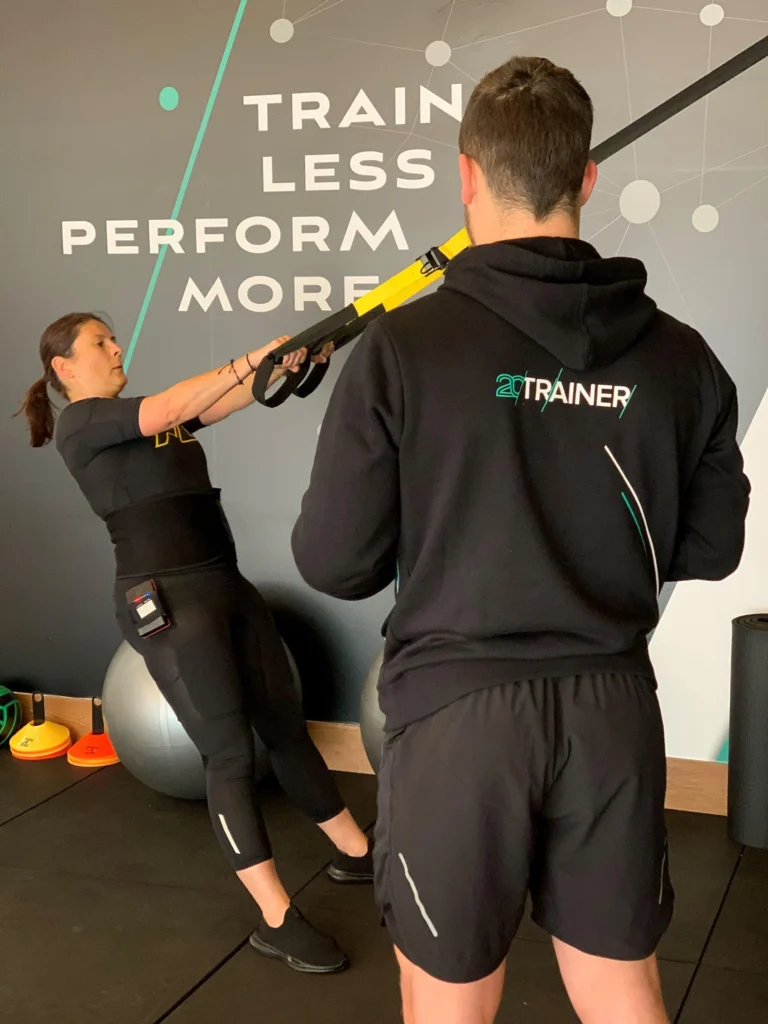
Can Must-Know Secrets improve functional strength?
Yes, Must-Know Secrets include loaded carries, compound lifts, and unilateral exercises that enhance practical, real-world strength.
Are Must-Know Secrets scientifically backed?
Yes, Must-Know Secrets are grounded in evidence-based research and exercise science principles to ensure safe and effective results.
Can Must-Know Secrets assist in fat loss?
Yes, combining strength training, nutrition, and recovery as outlined in Must-Know Secrets improves body composition and promotes fat loss.
Can Must-Know Secrets be customized for individual goals?
Yes, Must-Know Secrets are adaptable for hypertrophy, strength, endurance, or general fitness goals to fit personal needs.
Do Must-Know Secrets improve workout consistency?
Yes, following structured Must-Know Secrets encourages discipline, tracking, and accountability, ensuring consistent progress over time.