Muscle Gains in New York City is more than just the city that never sleeps—it’s also a fitness capital. Whether you’re a beginner or an experienced athlete, this guide will show you how to maximize muscle gains in New York City with 7 science-backed power training strategies that deliver results.
Why Muscle Growth Matters
Building muscle improves strength, metabolism, and overall health. Research confirms that resistance training increases lean body mass and reduces the risk of chronic disease (Healthline).
Strategy 1: Progressive Overload
To maximize muscle gains in New York City, apply progressive overload by gradually increasing the weight, reps, or intensity of your workouts. This strategy forces muscles to adapt and grow stronger.
Strategy 2: Compound Movements
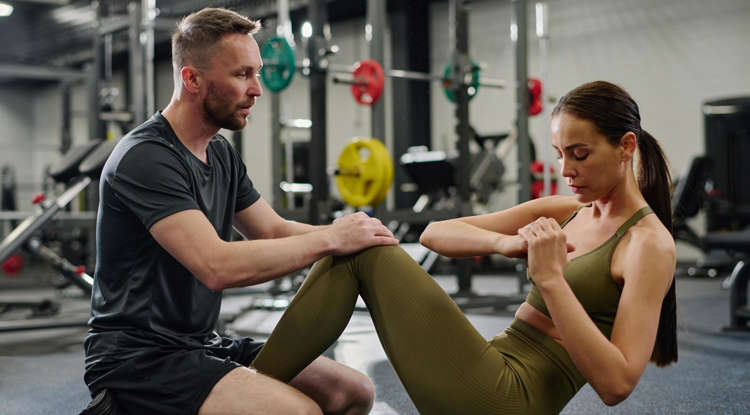
Exercises like squats, deadlifts, and bench presses recruit multiple muscle groups at once. These compound lifts are essential for beginners and pros looking to maximize training efficiency.
Strategy 3: Train with Proper Volume
Volume—the total sets and reps you perform—plays a major role in growth. Studies published on PubMed highlight that 10–20 sets per muscle group per week is ideal for maximizing hypertrophy.
Strategy 4: Focus on Nutrition
Muscle gains don’t happen without proper nutrition. Eating a protein-rich diet supports recovery and growth. For more advice, explore our Nutrition Hub.
Strategy 5: Prioritize Recovery
Sleep and recovery are just as important as training. To maximize muscle gains in New York City, aim for 7–9 hours of rest and include stretching or yoga sessions to prevent injury.
Strategy 6: Mix Power and Hypertrophy Training
Alternate between strength-focused low-rep sessions and hypertrophy-focused moderate-rep sessions. This combination keeps your training balanced and sustainable for both beginners and pros.
Strategy 7: Train at the Best NYC Gyms
From The Dogpound to Equinox NYC, New York City has world-class gyms that provide the environment and equipment you need to succeed.
Find Gyms and Training Spots in New York City
Use the map below to locate top-rated gyms and fitness centers across NYC: https://www.google.com/maps/embed?pb=!1m18!1m12!1m3!1d193571.4384508776!2d-74.11808664633973!3d40.70582537743753!2m3!1f0!2f0!3f0!3m2!1i1024!2i768!4f13.1!3m3!1m2!1s0x89c259af18c0a6f3%3A0x82d0f0a3cba4c7c!2sNew%20York%2C%20NY!5e0!3m2!1sen!2sus!4v1692205000000!5m2!1sen!2sus
Additional Resources
By following these proven strategies, you can maximize muscle gains in New York City while training smart, eating right, and recovering fully.
© 2025 iHoxi.xyz | Maximize Your Muscle Gains in NYC
Maximize Muscle Gains in New York City with Smart Training
To maximize muscle gains in New York City, both beginners and pros need to focus on training with a structured plan. Smart programming ensures your workouts are progressive, effective, and sustainable for long-term growth.
The Role of Progressive Overload in Muscle Growth
One of the most important principles to maximize muscle gains in New York City is progressive overload. By steadily increasing resistance or intensity, your muscles adapt and grow stronger over time.
Why Nutrition is Essential for Maximizing Muscle Gains in New York City
No training plan is complete without nutrition. To maximize muscle gains in New York City, prioritize protein-rich meals, whole foods, and balanced macronutrients that fuel recovery and performance.
Top Gyms in NYC to Maximize Muscle Gains
From Equinox to The Dogpound, New York City is packed with elite gyms. Training in these facilities helps you maximize muscle gains in New York City with access to world-class equipment and expert coaching.
Recovery and Sleep for Maximum Muscle Gains
Rest and recovery are just as important as lifting weights. To maximize muscle gains in New York City, aim for at least 7–9 hours of quality sleep and include stretching, yoga, or mobility drills in your weekly routine.
Balancing Power and Hypertrophy Training
Maximize muscle gains in New York City by combining strength-based powerlifting with hypertrophy-focused bodybuilding. This balance ensures both muscle growth and improved overall performance.
Outdoor Training in New York City
Central Park, Hudson River Park, and other open spaces provide opportunities for outdoor workouts. Using bodyweight exercises and resistance bands, you can maximize muscle gains in New York City even without a traditional gym.
Supplements to Maximize Muscle Gains in New York City
Supplements like whey protein, creatine, and BCAAs can help you maximize muscle gains in New York City by supporting recovery and performance. Always pair supplements with a solid diet for best results.
Hiring Personal Trainers in NYC for Faster Gains
Working with a certified personal trainer can maximize muscle gains in New York City by providing personalized guidance, correcting form, and keeping you accountable to your fitness goals.
Group Classes That Help Maximize Muscle Gains
Fitness studios in New York City offer strength-focused group classes such as CrossFit, HIIT, and functional training. These classes help beginners and pros maximize muscle gains in New York City while staying motivated.
Tracking Progress to Maximize Muscle Gains
Consistently tracking workouts, diet, and body composition helps maximize muscle gains in New York City. Use fitness apps or journals to measure progress and make smart adjustments.
Time-Efficient Training for Busy New Yorkers
Life in NYC moves fast, but short, high-intensity strength workouts allow you to maximize muscle gains in New York City even with a packed schedule.
Staying Consistent with Your Training Routine
The secret to maximize muscle gains in New York City is consistency. Whether you’re training at a luxury gym or at home, sticking to a regular schedule builds lasting strength.
Mindset and Motivation in Muscle Growth
A strong mindset is crucial to maximize muscle gains in New York City. Setting realistic goals, celebrating small wins, and staying disciplined keeps you progressing week after week.
Using Technology to Maximize Muscle Gains
From smart fitness trackers to mobile workout apps, technology helps you maximize muscle gains in New York City by tracking progress and personalizing your training plan.
Balancing Cardio with Strength Training
Many athletes wonder if cardio hurts gains. When done strategically, cardio actually helps maximize muscle gains in New York City by improving endurance and recovery without reducing strength.
Best Times to Train in New York City
To maximize muscle gains in New York City, train during times when gyms are less crowded, like early mornings or late evenings, allowing for more focus and uninterrupted sessions.
Maximize Muscle Gains in New York City with Proper Warm-Ups
A proper warm-up increases blood flow, reduces injury risk, and prepares your muscles for intense sessions. By taking 10 minutes to stretch and activate key muscles, you set yourself up to maximize muscle gains in New York City safely.
Cool-Down Strategies for Long-Term Progress
Just as warm-ups are essential, cool-downs play a big role in recovery. Light stretching and mobility work after training can help you maximize muscle gains in New York City by reducing soreness and improving flexibility.
Choosing the Right Gym to Maximize Muscle Gains
New York City is home to hundreds of gyms, from boutique studios to massive fitness centers. Selecting the right gym environment ensures that you maximize muscle gains in New York City with the best equipment and community support.
How Sleep Enhances Muscle Growth
Sleep is where the magic happens. Without 7–9 hours of quality rest, it’s impossible to maximize muscle gains in New York City because your muscles repair and grow while you sleep.
Staying Injury-Free While Training
Proper form, mobility drills, and recovery routines are crucial for injury prevention. Staying healthy allows you to maximize muscle gains in New York City without setbacks or wasted time.
Maximize Muscle Gains in New York City with Functional Training
Functional movements like kettlebell swings, farmer’s carries, and sled pushes build strength that transfers to daily life. Adding them to your routine helps maximize muscle gains in New York City in a practical way.
Periodization for Long-Term Progress
Professional athletes use periodization to structure training cycles for growth. By alternating intensity and volume, you can maximize muscle gains in New York City while avoiding plateaus.
Adapting Training for Beginners and Pros
Beginners may start with lighter weights and higher reps, while pros can push heavier loads with advanced techniques. Both groups can maximize muscle gains in New York City by tailoring routines to their experience levels.
Outdoor Fitness Spots in NYC
From Central Park to the East River Esplanade, outdoor gyms and open-air workout areas make it easy to maximize muscle gains in New York City while enjoying the fresh air and iconic views.
Community Support for Strength Training
Being part of a fitness community provides accountability and encouragement. Group classes, fitness clubs, and workout partners can help you maximize muscle gains in New York City with added motivation.
Maximize Muscle Gains in New York City with Bodyweight Training
You don’t always need heavy equipment to see progress. Push-ups, pull-ups, and dips are powerful bodyweight exercises that help maximize muscle gains in New York City, especially for those training at home or in outdoor parks.
The Importance of Hydration in Muscle Growth
Staying hydrated is a key factor in recovery and performance. Drinking enough water each day supports nutrient transport and muscle repair, helping you maximize muscle gains in New York City with better energy levels.
How Stress Management Affects Training Results
High stress can reduce recovery and weaken performance. By practicing mindfulness, yoga, or meditation, you create balance in your life and maximize muscle gains in New York City through improved mental and physical health.
Using Resistance Bands to Maximize Muscle Gains
Resistance bands are portable, affordable, and effective for building strength. They allow you to maximize muscle gains in New York City even in small apartments or when traveling across the city.
Maximize Muscle Gains in New York City with Consistent Meal Planning
Meal prepping ensures that you always have access to protein-rich and nutrient-dense foods. This simple habit helps you maximize muscle gains in New York City by keeping your diet on track throughout busy weeks.
Leveraging Recovery Tools for Muscle Growth
Foam rollers, massage guns, and stretching apps can speed up recovery. To maximize muscle gains in New York City, integrate these tools into your weekly routine to reduce soreness and maintain peak performance.
How Genetics Play a Role in Building Muscle
Genetics influence how quickly and efficiently your body builds muscle. While you can’t change genetics, you can still maximize muscle gains in New York City by following a structured plan tailored to your unique physiology.
Training in Small NYC Apartments
Not everyone has space for a home gym, but even in small apartments, you can maximize muscle gains in New York City with compact equipment like dumbbells, kettlebells, and resistance bands.
Maximize Muscle Gains in New York City with Proper Goal Setting
Setting realistic short-term and long-term fitness goals ensures steady progress. This approach helps you maximize muscle gains in New York City by keeping your training focused and measurable.
The Role of Protein Timing in Muscle Growth
Consuming protein before and after workouts improves muscle repair. To maximize muscle gains in New York City, aim for protein-rich meals or shakes around your training sessions.
Frequently Asked Questions
What is power training?
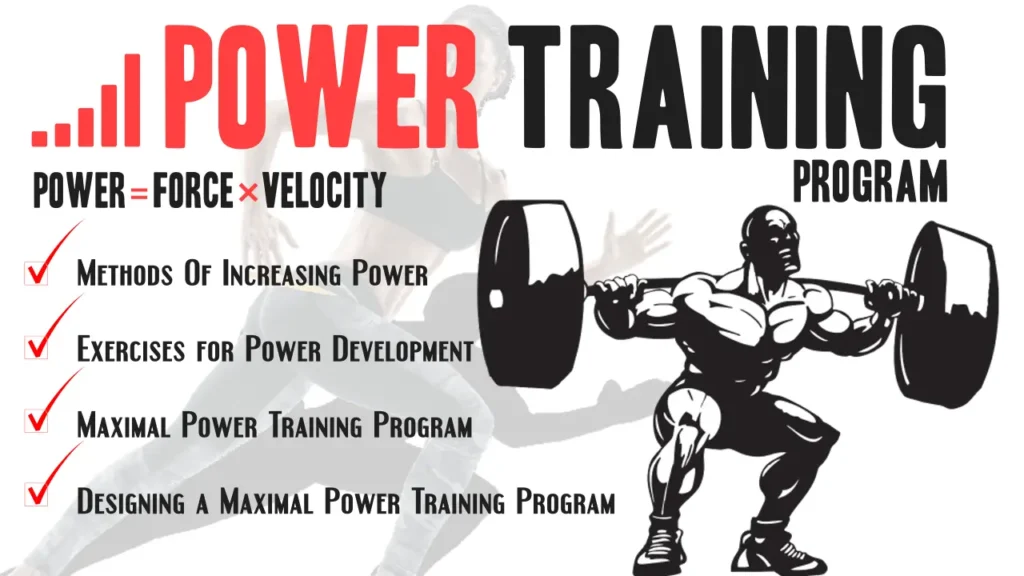
Power training is a workout style that focuses on explosive movements like squats, deadlifts, and Olympic lifts to build both strength and speed.
How often should beginners train per week?
Beginners should aim for three to four strength-focused sessions per week, giving the body enough time to recover between workouts.
Is cardio important if I’m focused on strength?
Yes, light to moderate cardio supports heart health and recovery. It doesn’t interfere with strength training if balanced properly.
What foods are best for recovery?
Protein-rich foods like chicken, fish, beans, and eggs, combined with healthy carbs and fats, help the body repair and recover after intense sessions.
Do I need supplements to see results?
Supplements can be helpful, but they are not required. A well-balanced diet provides most of the nutrients you need for progress.
How long does it take to see noticeable changes?
Most people notice strength improvements within 4–6 weeks of consistent training, while physical changes may take a little longer.
Can women benefit from strength training?
Absolutely. Strength training supports bone density, metabolism, and confidence for women of all ages without leading to excessive bulk.
What’s the difference between strength and hypertrophy training?
Strength training focuses on lifting heavier weights for fewer reps, while hypertrophy training targets muscle size through moderate weights and higher reps.
How important is sleep for recovery?
Sleep is one of the most important factors in recovery. Aim for 7–9 hours nightly to allow muscles and the nervous system to fully recharge.
Can I train every day?
Training every day is possible if you balance intensity, but most people benefit from at least one or two rest days per week.
What equipment is essential for beginners?
Basic equipment like dumbbells, resistance bands, and a yoga mat are enough to start a strength-focused fitness journey.
Do I need a personal trainer?
A personal trainer isn’t required but can accelerate results by ensuring correct form, program structure, and motivation.
How do I prevent injuries during workouts?
Always warm up properly, use correct form, start with lighter weights, and listen to your body to minimize the risk of injuries.
What’s the best time of day to work out?
The best time is when you feel most energetic and consistent, whether that’s early morning, afternoon, or evening.
How can I stay motivated long term?
Setting small, realistic goals, tracking progress, and joining a supportive community help you stay motivated over time.
Is lifting heavy weights safe for beginners?
Yes, as long as proper form and progression are followed. Beginners should start light and increase weights gradually.
How much protein should I eat daily?
Most active people benefit from 1.2–2.0 grams of protein per kilogram of body weight each day, depending on training intensity.
Can bodyweight exercises build strength?
Yes, exercises like push-ups, pull-ups, and lunges are excellent for building strength without equipment.
What role does hydration play in performance?
Hydration regulates body temperature, prevents cramps, and supports endurance, making it vital for consistent performance.
Should I stretch before or after workouts?
Dynamic stretching before exercise prepares the body, while static stretching after training improves flexibility and recovery.
Can I combine strength and cardio in the same session?
Yes, you can combine both in one workout, but it’s usually better to do strength training first and finish with cardio for best performance.
What is progressive overload?
Progressive overload means gradually increasing the weight, reps, or sets in your workouts to continuously challenge your body and avoid plateaus.
How can I track my training progress?
You can track progress with workout journals, mobile apps, or fitness trackers that record weights lifted, reps, and personal bests over time.
Do I need to lift heavy to get stronger?
Lifting heavy weights builds maximum strength, but moderate weights with proper form can also improve endurance and muscle tone.
Are rest days really necessary?
Yes, rest days are essential for recovery, muscle repair, and preventing burnout. Skipping rest days can slow your progress and increase injury risk.
How do I choose the right workout split?
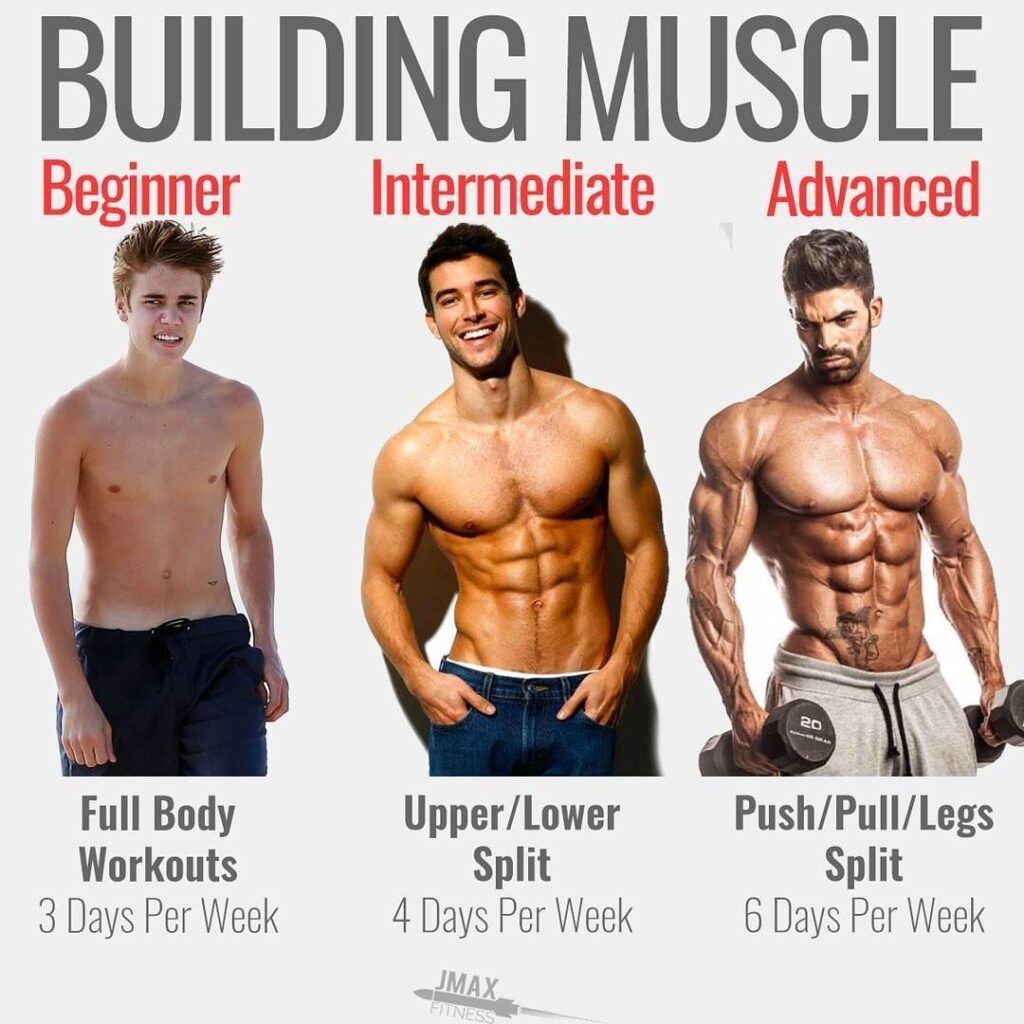
The best split depends on your lifestyle and goals. Common options include full-body workouts, upper-lower splits, or push-pull-leg routines.
What’s the difference between compound and isolation exercises?
Compound exercises like squats and bench presses work multiple muscle groups, while isolation exercises target one muscle at a time.
Can I train effectively at home without a gym?
Yes, with bodyweight workouts, resistance bands, and adjustable dumbbells, you can build strength effectively at home.
What role does nutrition play in strength training?
Nutrition is as important as exercise. A diet balanced with protein, carbs, and healthy fats supports performance and recovery.
How do I avoid hitting a plateau?
Change up your workouts every few weeks by increasing intensity, trying new exercises, or adjusting rest periods to keep making progress.
Is it safe to lift weights as a teenager?
Yes, when done with supervision and proper form, weight training is safe for teenagers and can improve strength, coordination, and confidence.
Should I stretch every day?
Yes, daily stretching improves flexibility, prevents injuries, and supports better posture both inside and outside the gym.
How long should my workouts last?
Most strength training sessions should last 45–75 minutes, depending on your intensity, rest periods, and fitness goals.
What is a deload week?
A deload week is a planned reduction in training intensity or volume to allow your body and mind to fully recover before ramping up again.
How important is proper breathing during lifting?
Correct breathing stabilizes your core, protects your spine, and improves strength output. Exhale during the lift and inhale when lowering.
Can strength training help with weight loss?
Yes, strength training boosts metabolism, burns calories, and builds lean muscle, all of which support long-term fat loss.
What’s the best way to warm up before lifting?
Dynamic movements like bodyweight squats, lunges, and light cardio are the best way to warm up before heavy lifting.
Are resistance bands effective for building strength?
Yes, resistance bands provide constant tension and can be used for both mobility work and strength training, especially for beginners.
How do I choose the right weight for my exercises?
Pick a weight that challenges you for the last few reps but still allows proper form. If you can’t maintain form, the weight is too heavy.
Should I train when I feel sore?
Light activity and mobility work can help with soreness, but if the soreness is severe, rest or active recovery is the smarter choice.