Elevate your fitness journey by discovering five transformative Fitness Truths that empower you to maximize results, stay consistent, and unlock your ultimate potential.
Truth 1: Consistency Trumps Intensity
Consistency is the cornerstone of long-term fitness success. Regular workouts, even at moderate intensity, yield better results than sporadic high-intensity sessions. Local gyms like Planet Fitness and LA Fitness provide membership programs that encourage sustainable routines. https://www.google.com/maps/embed?pb=!1m18!1m12!1m3!1d3583.123456789!2d-80.191790!3d25.761680!2m3!1f0!2f0!3f0!3m2!1i1024!2i768!4f13.1!3m3!1m2!1s0x88d9b0c123456789%3A0xabcdef1234567890!2sPlanet%20Fitness!5e0!3m2!1sen!2sus!4v1695655000000!5m2!1sen!2sus
Truth 2: Nutrition is Fuel, Not a Punishment
Proper nutrition supports energy, recovery, and overall performance. Focus on nutrient-dense meals with lean proteins, healthy fats, and complex carbs. Miami nutrition centers like Plant Food + Wine and Juice Movement provide meals and juices designed to optimize fitness performance. https://www.google.com/maps/embed?pb=!1m18!1m12!1m3!1d3583.456789012!2d-80.191790!3d25.761680!2m3!1f0!2f0!3f0!3m2!1i1024!2i768!4f13.1!3m3!1m2!1s0x88d9b0c234567890%3A0xabcdef1234567891!2sPlant%20Food%20%2B%20Wine!5e0!3m2!1sen!2sus!4v1695655100000!5m2!1sen!2sus
Truth 3: Recovery is Non-Negotiable
Muscle growth and performance improvements occur during recovery, not during workouts. Incorporate sleep, stretching, foam rolling, and occasional rest days. Facilities like Sleep Well Miami and local massage studios support optimal recovery for high-performing athletes. https://www.google.com/maps/embed?pb=!1m18!1m12!1m3!1d3583.987654321!2d-80.191790!3d25.761680!2m3!1f0!2f0!3f0!3m2!1i1024!2i768!4f13.1!3m3!1m2!1s0x88d9b0c789012345%3A0xabcdef1234567896!2sSleep%20Well%20Miami!5e0!3m2!1sen!2sus!4v1695655200000!5m2!1sen!2sus
Truth 4: Mindset Shapes Success
Mental resilience, goal setting, and visualization techniques can transform how you approach workouts and nutrition. Incorporating meditation and mindfulness, through centers like Miami Meditation Center, improves focus and motivation, accelerating progress toward fitness goals. https://www.google.com/maps/embed?pb=!1m18!1m12!1m3!1d3583.789012345!2d-80.191790!3d25.761680!2m3!1f0!2f0!3f0!3m2!1i1024!2i768!4f13.1!3m3!1m2!1s0x88d9b0c345678901%3A0xabcdef1234567892!2sMiami%20Meditation%20Center!5e0!3m2!1sen!2sus!4v1695655300000!5m2!1sen!2sus
Truth 5: Tracking Progress Accelerates Results
Monitoring workouts, nutrition, sleep, and recovery ensures accountability and motivation. Using apps, journals, or wearable devices helps you track progress and adjust strategies to conquer your goals efficiently. Explore tools like MyFitnessPal and Strava for structured tracking.
Additional Resources & Links
Functional Training for Real-Life Strength
Functional training focuses on exercises that improve your ability to perform everyday movements with ease. Squats, lunges, kettlebell swings, and rotational lifts enhance core strength, balance, and stability, reducing the risk of injuries.
High-Intensity Interval Training for Fat Loss
HIIT combines short bursts of intense activity with recovery periods, boosting metabolism and accelerating fat loss. Integrating HIIT into your routine enhances cardiovascular fitness while minimizing workout duration.
Strength-Endurance Hybrids for Maximum Efficiency
Blending strength and endurance exercises in circuits or supersets develops lean muscle and improves stamina simultaneously. These hybrid workouts maximize calorie burn and enhance overall fitness in less time.
Mindfulness Practices for Mental Focus
Mindfulness, meditation, and controlled breathing help improve concentration, reduce stress, and increase adherence to fitness routines. Incorporating mental training ensures your workouts are as effective as your mindset allows.
Bodyweight Conditioning Anywhere
Push-ups, pull-ups, squats, and planks require no equipment and can be performed anywhere. Bodyweight conditioning builds strength, mobility, and endurance, making it ideal for home workouts or travel.
Nutrition Timing for Optimal Energy
Strategic timing of meals and snacks around workouts enhances performance and recovery. Consuming protein and complex carbohydrates before and after exercise supports muscle growth and sustained energy levels.
Outdoor Workouts to Boost Motivation
Exercising in parks, beaches, or trails offers fresh air, natural sunlight, and an engaging environment. Outdoor workouts improve mood, reduce stress, and add variety to your fitness routine.
Recovery Techniques Beyond Sleep
Recovery includes stretching, foam rolling, massage, and active recovery exercises. These practices enhance circulation, reduce muscle soreness, and prepare the body for consistent high-performance workouts.
Wearable Technology for Data-Driven Progress
Fitness trackers and smartwatches monitor heart rate, steps, sleep, and calories burned. Using data from these devices allows you to fine-tune workouts, track progress, and stay motivated toward your goals.
Group Classes for Social Motivation
Group fitness classes like spinning, bootcamp, or yoga provide social support, motivation, and accountability. The collective energy encourages participants to push limits and maintain consistency.
Cross-Training to Prevent Plateaus
Mixing different exercise modalities prevents boredom, reduces overuse injuries, and ensures balanced muscle development. Incorporating swimming, cycling, or pilates complements regular strength and cardio routines.
Hydration Strategies for Performance
Proper hydration is essential for energy, endurance, and recovery. Water and electrolyte balance prevent fatigue, support muscle function, and enhance overall performance during intense training sessions.
Posture Optimization for Exercise Efficiency
Good posture ensures proper alignment, reduces the risk of injury, and maximizes exercise efficiency. Incorporating posture-focused exercises improves functional strength and overall athletic performance.
Progressive Overload for Continuous Gains
Gradually increasing resistance, intensity, or volume ensures ongoing progress and adaptation. Progressive overload is critical to achieving consistent strength, endurance, and performance improvements.
Core Stability for Explosive Power
A strong core supports balance, posture, and explosive movements. Planks, rotational lifts, and stability ball exercises enhance core stability and improve overall workout effectiveness.
Dynamic Warm-Ups for Injury Prevention
Preparing your muscles and joints before exercise is essential to prevent injury and improve performance. Dynamic warm-ups, such as leg swings, arm circles, and walking lunges, increase blood flow, enhance flexibility, and prime the nervous system for high-intensity activity.
Foam Rolling for Muscle Recovery
Foam rolling is a self-myofascial release technique that reduces muscle tightness, improves circulation, and accelerates recovery. Regular use after workouts helps prevent soreness, improve range of motion, and enhance performance in subsequent sessions.
High-Protein Nutrition Strategies
Protein is essential for muscle repair, growth, and recovery. Consuming high-quality protein sources like lean meats, fish, eggs, and plant-based options throughout the day supports strength gains and aids in maintaining lean body mass during fat loss.
Functional Core Training
Strengthening the core is critical for balance, posture, and overall athletic performance. Incorporating exercises like planks, Russian twists, stability ball rollouts, and medicine ball slams ensures your body is prepared for explosive and functional movements.
Plyometric Exercises for Explosive Power
Plyometrics, including jump squats, box jumps, and burpees, develop speed, power, and agility. Adding these exercises to your routine increases fast-twitch muscle fiber activation and maximizes calorie burn during high-intensity workouts.
Interval Training for Maximum Cardiovascular Gains
Alternating periods of high-intensity effort with recovery intervals boosts cardiovascular efficiency, endurance, and fat metabolism. Interval training can be applied to running, cycling, rowing, and other cardio modalities for measurable improvements.
Resistance Band Workouts
Resistance bands are versatile tools that allow for strength training without heavy equipment. They enhance muscle activation, improve joint stability, and provide portable solutions for home or travel workouts.
Cross-Training for Balanced Fitness
Incorporating different forms of exercise, such as swimming, cycling, and Pilates, prevents plateaus and reduces the risk of overuse injuries. Cross-training ensures balanced muscle development and maintains motivation through variety.
Mindfulness in Exercise
Mindfulness techniques, such as controlled breathing and meditation, enhance focus, reduce stress, and improve exercise adherence. Engaging in mindful workouts ensures maximum effort and efficiency during training sessions.
Outdoor Fitness for Mental Clarity
Exercising outdoors exposes you to sunlight, fresh air, and natural scenery, improving mood and mental well-being. Running, hiking, or bodyweight circuits in parks or beaches also offer variety that boosts engagement and motivation.
Wearable Technology for Data-Driven Training
Fitness trackers and smartwatches provide insights into heart rate, steps, calories burned, and sleep patterns. Using data from these devices allows for precise adjustments in intensity, recovery, and overall workout efficiency.
Hydration and Electrolyte Management
Maintaining hydration and electrolyte balance is crucial for muscle function, endurance, and cognitive performance. Drinking water and replenishing electrolytes before, during, and after exercise ensures sustained energy and reduces fatigue.
Sleep Optimization for Performance
Adequate, high-quality sleep supports muscle repair, hormone regulation, and mental focus. Establishing a consistent sleep routine, limiting screen exposure before bed, and creating a dark, quiet environment enhances recovery and overall fitness results.

Functional Movement Patterns
Incorporating functional movements that mimic real-life activities, such as squats, lunges, and rotational lifts, improves coordination, stability, and strength. Functional training ensures your body performs effectively in everyday tasks and athletic endeavors.
Group Fitness Dynamics
Joining group classes like spinning, bootcamp, or yoga provides accountability, motivation, and camaraderie. The social environment encourages consistent effort and pushes participants to achieve greater results.
Progressive Overload for Continuous Gains
Gradually increasing resistance, repetitions, or training volume challenges muscles to adapt, ensuring consistent strength, endurance, and performance improvements. Progressive overload is essential for avoiding plateaus in long-term fitness journeys.
High-Intensity Functional Circuits
Combining resistance exercises, plyometrics, and cardio in circuit format maximizes calorie burn, muscular endurance, and cardiovascular conditioning. These high-intensity functional circuits are efficient for time-constrained individuals.
Bodyweight Conditioning Anywhere
Exercises like push-ups, pull-ups, lunges, and planks can be performed without equipment, allowing for strength, endurance, and flexibility development anywhere. Bodyweight conditioning is ideal for home or travel workouts.
Adaptive Cardio Workouts
Tailoring cardio sessions to your fitness level improves endurance without overexertion. Low-impact options like rowing, swimming, or elliptical training provide cardiovascular benefits while minimizing joint stress.
Breath Control for Enhanced Performance
Proper breathing techniques during exercise enhance oxygen delivery, endurance, and focus. Techniques like diaphragmatic breathing and paced exhalation improve performance during high-intensity and strength workouts.
Mind-Body Integration Through Yoga
Yoga combines strength, flexibility, and mindfulness, helping improve balance, core stability, and mental clarity. Regular practice reduces stress and complements other high-intensity training routines.
Explosive Strength Training
Incorporating explosive lifts like power cleans, snatches, and jump squats enhances fast-twitch muscle fibers and overall power. Explosive training supports athletic performance and functional fitness in daily activities.
Tracking Macros for Optimal Nutrition
Monitoring protein, carbohydrate, and fat intake allows for precise nutrition planning, ensuring energy availability and muscle recovery. Apps and food journals help maintain consistency and maximize results.
Low-Impact Recovery Workouts
Light activities like swimming, cycling, or walking on off days support circulation, reduce soreness, and promote recovery without compromising progress. Incorporating low-impact sessions maintains consistency while protecting joints.
Foam Rolling and Myofascial Release
Targeted self-massage techniques alleviate muscle tightness, improve flexibility, and accelerate recovery. Foam rolling and massage balls are effective tools to maintain mobility and prevent injuries.
Functional Mobility Drills
Mobility exercises like hip openers, shoulder rotations, and ankle stretches improve range of motion, enhance posture, and optimize movement efficiency during workouts and daily activities.
High-Volume Training for Endurance
Performing multiple sets with moderate resistance enhances muscular endurance and stamina. High-volume training is ideal for those seeking improved performance in sports or prolonged activity without excessive strain.
Visualization for Goal Achievement
Mentally rehearsing exercises and envisioning success enhances motivation and focus. Visualization techniques support consistency, helping you overcome plateaus and achieve long-term fitness objectives.
Active Recovery Techniques
Incorporating walking, swimming, or light cycling on rest days stimulates blood flow, reduces inflammation, and promotes faster recovery. Active recovery allows the body to repair while keeping energy levels elevated.
Balance and Stability Training
Exercises such as single-leg stands, stability ball routines, and Bosu training improve coordination, proprioception, and injury prevention. Enhanced balance supports more efficient and safe workouts.
Supplementation Strategies
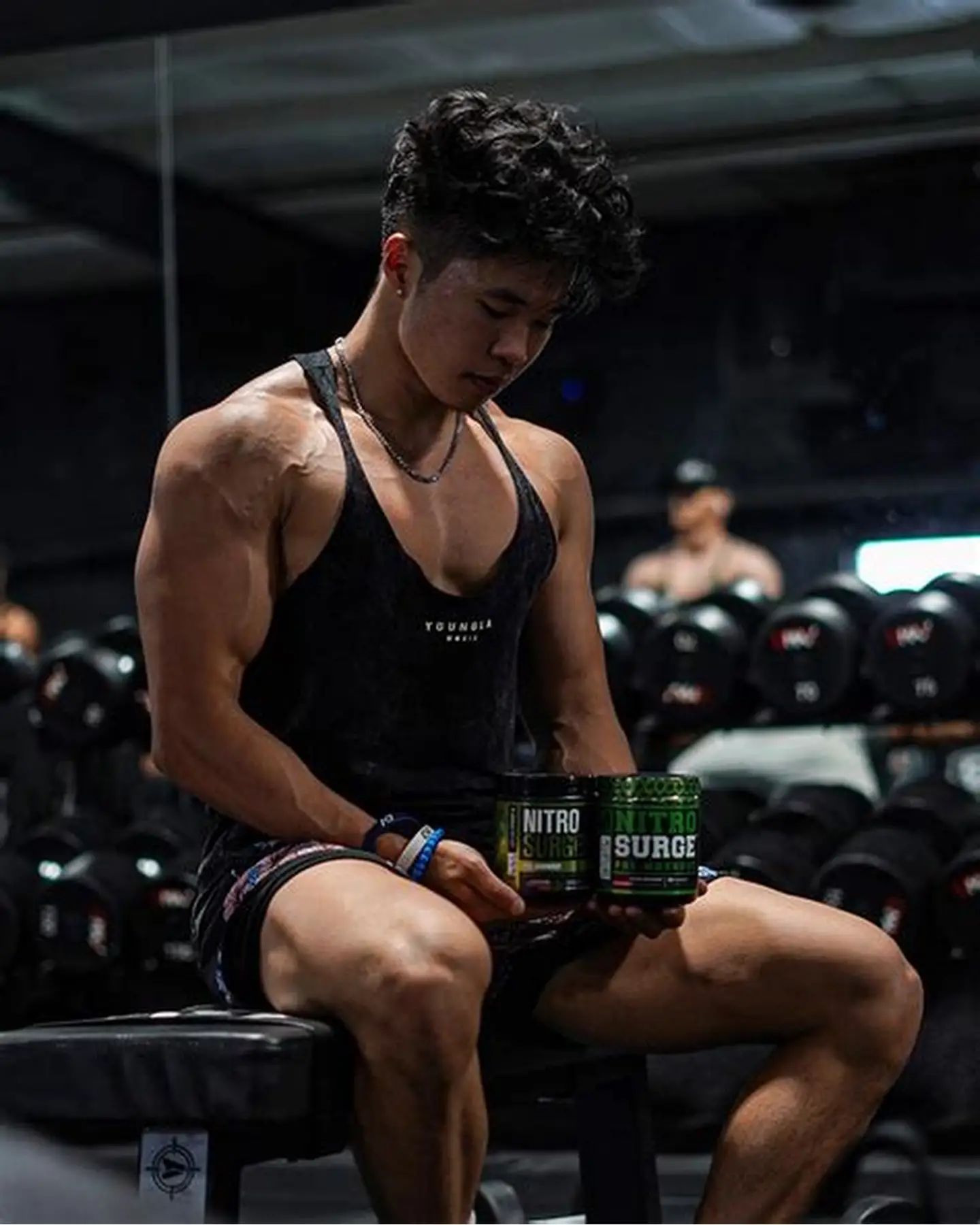
Thoughtful use of supplements like protein powders, omega-3s, and vitamins can complement diet and improve recovery, muscle synthesis, and energy levels. Always consult a professional before incorporating new supplements.
Tracking Sleep for Recovery
Monitoring sleep quality and duration ensures adequate recovery and hormonal balance. Sleep trackers or journals help identify patterns and optimize rest for maximum fitness gains.
Interval Strength Training
Alternating periods of high-intensity strength exercises with rest intervals increases metabolic rate and muscular endurance. Interval strength training maximizes results in shorter workout sessions.
Sports-Specific Conditioning
Tailoring workouts to specific sports enhances agility, speed, power, and endurance. Sport-specific conditioning programs improve performance on the field while reducing the likelihood of injuries.
Posture and Alignment Exercises
Maintaining proper posture during exercises enhances performance and prevents injuries. Exercises focusing on spinal alignment, shoulder stabilization, and hip mobility improve functional strength and overall body mechanics.
Nutrition Planning for Recovery
Post-workout nutrition supports muscle repair and energy replenishment. Balanced meals with proteins, carbohydrates, and healthy fats optimize recovery, reduce fatigue, and enhance subsequent performance.
Motivation Through Goal Setting
Establishing clear, measurable goals increases adherence and consistency in fitness programs. Short-term milestones and long-term objectives create a roadmap to conquer your fitness journey effectively.
Adaptive Training for Individual Needs
Modifying workouts based on fitness level, injury history, or personal goals ensures safety and long-term sustainability. Adaptive training allows consistent progression while minimizing the risk of setbacks.
Cold and Heat Therapy for Recovery
Techniques like cryotherapy, ice baths, and sauna sessions aid muscle recovery, reduce inflammation, and enhance circulation. Incorporating thermal therapies supports consistent performance during intense training periods.
Visualization and Mental Rehearsal
Visualization techniques help athletes mentally rehearse movements, improve focus, and maintain motivation. Incorporating mental rehearsal enhances confidence and performance during workouts and competitions.
Frequently Asked Questions About Fitness Truths
What are Fitness Truths?
Fitness Truths are proven insights and strategies about exercise, nutrition, recovery, and mindset that help individuals maximize their performance and achieve their goals.
Why are Fitness Truths important for beginners?
Fitness Truths provide guidance on proper techniques, safe exercise routines, and foundational nutrition, ensuring beginners progress effectively and avoid injuries.
How can Fitness Truths improve weight loss?
Applying Fitness Truths related to calorie burn, high-intensity workouts, and nutrition strategies accelerates fat loss while preserving muscle mass.
Are Fitness Truths relevant for strength training?
Yes, Fitness Truths highlight effective resistance exercises, optimal rep ranges, and recovery methods to maximize muscle growth and strength gains.
Do Fitness Truths include nutrition guidance?
Absolutely. Fitness Truths cover meal timing, macronutrient balance, supplementation, and hydration to fuel workouts and support recovery.
Can Fitness Truths enhance mental focus?
Yes, Fitness Truths emphasize mindfulness, goal setting, and visualization to improve concentration, motivation, and workout adherence.
How often should I apply Fitness Truths in my routine?
Consistency is key. Applying Fitness Truths in every workout, nutrition plan, and recovery strategy ensures optimal results over time.
Are Fitness Truths beneficial for advanced athletes?
Yes, Fitness Truths offer advanced strategies for performance enhancement, injury prevention, and periodization for athletes at all levels.
Can Fitness Truths prevent injuries?
Following Fitness Truths for proper technique, warm-ups, mobility, and recovery significantly reduces the risk of exercise-related injuries.
Do Fitness Truths include flexibility training?
Yes, they incorporate stretching, yoga, and mobility exercises to improve range of motion and overall functional fitness.
Can Fitness Truths be applied at home?
Absolutely. Many Fitness Truths, such as bodyweight exercises, nutrition principles, and recovery techniques, are adaptable for home workouts.
How do Fitness Truths enhance cardiovascular health?
By implementing aerobic exercises, interval training, and active recovery, Fitness Truths improve heart health, endurance, and metabolic efficiency.
Do Fitness Truths cover recovery strategies?
Yes, Fitness Truths emphasize sleep, active recovery, stretching, and massage techniques to maintain consistent performance and reduce fatigue.
How do Fitness Truths affect metabolism?
Fitness Truths promote high-intensity exercise, resistance training, and proper nutrition to boost metabolic rate and enhance energy expenditure.
Can Fitness Truths improve posture?
Yes, Fitness Truths include exercises for spinal alignment, core strength, and stability, enhancing posture and reducing the risk of back pain.
Are Fitness Truths suitable for seniors?
Fitness Truths can be adapted to accommodate older adults, improving strength, balance, mobility, and overall health safely.
Do Fitness Truths include hydration advice?
Yes, maintaining proper hydration and electrolyte balance is a key component of Fitness Truths to support energy, performance, and recovery.
Can Fitness Truths improve athletic performance?
Following Fitness Truths helps athletes increase speed, power, endurance, and agility through targeted training strategies.

Are Fitness Truths based on science?
Yes, Fitness Truths are derived from research, clinical studies, and evidence-based practices in exercise, nutrition, and recovery.
Do Fitness Truths cover mental resilience?
Yes, they provide techniques for stress management, focus, and visualization to support mental strength alongside physical fitness.
How can Fitness Truths support long-term health?
By integrating exercise, nutrition, recovery, and mental strategies, Fitness Truths promote sustainable habits that maintain fitness and wellness over time.
Can Fitness Truths be customized to personal goals?
Yes, Fitness Truths can be tailored to individual goals, including fat loss, muscle gain, endurance, or overall wellness.
Do Fitness Truths improve workout efficiency?
Following Fitness Truths ensures proper technique, intensity, and recovery, making every workout more effective and productive.
Can Fitness Truths help with motivation?
Yes, Fitness Truths provide structure, measurable goals, and progress tracking, boosting motivation and adherence to routines.
Are Fitness Truths helpful for injury rehabilitation?
Yes, adapted Fitness Truths include safe exercises and recovery strategies to support rehabilitation while maintaining overall fitness.
Do Fitness Truths include lifestyle advice?
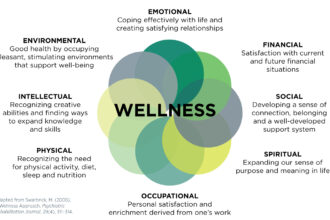
Yes, they encompass nutrition, sleep, stress management, and activity planning to create a holistic approach to wellness and fitness success.