On ihoxi.xyz, we’re committed to empowering readers with evidence-based, cutting‑edge insight. This article dismantles 12 pervasive debunked fitness myths—especially relevant to high‑altitude locales like Leadville, Colorado. These myths may be sabotaging your gains without you knowing. Read on to optimize performance and unlock real progress.
Why Leadville Matters for Fitness Myths
Leadville—nicknamed the Two‑Mile‑High City at 10,154 ft of elevation—is a natural laboratory for testing resilience, endurance, and training myths :content Reference[oaicite:2]{index=2}. Athletes flock here for altitude training; local gyms like Mountain Barbell & Fitness specialize in high‑altitude coaching :content Reference[oaicite:3]{index=3}. Understanding myth vs. reality here matters for anyone pushing boundaries.
Leadville: A Natural Testing Ground for Fitness Myths Truths That Are Sabotaging Your Progress
Situated at a staggering 10,154 feet, Leadville provides a rare opportunity to evaluate training outcomes in extreme conditions. Evidence-based training in Leadville helps expose which fitness Myths methods truly work when oxygen is limited and performance stakes are high.
Altitude Exposes the Flaws in Popular Fitness Myths
At this elevation, misconceptions—like “no pain, no gain” or “you must train every day”—get quickly debunked. Evidence-based training in Leadville emphasizes proper recovery, adaptation, and pacing, not overtraining or viral trends.
Mountain Barbell: Ground Zero for High-Altitude Coaching
Local facilities like Mountain Barbell & Fitness blend performance science with real-world altitude experience. Their approach reinforces the value of science-backed coaching methods for fitness myths in environments where guesswork is dangerous.
From Urban Myths to Altitude-Proven Methods for debunked fitness myth
Many training myths thrive at sea level but collapse under the pressure of high-altitude stress. Evidence-based training in Leadville provides clarity, stripping away misinformation and reinforcing methods grounded in physiology and proven results.
The Leadville Effect: Elevation as a Fitness Myths Filter
The unique challenges of Leadville act as a filter for fitness philosophy—only the most efficient, adaptive, and researched strategies succeed. It’s where evidence-based training meets real-world conditions and separates fact from fiction.
📍 Location Map
Here’s a map of Leadville and surrounding area—perfect for context when we mention trails, altitude zones, or gyms:
(See the map above showing Leadville’s location within Lake County, Colorado.)
Focus Keyword
“12 Debunked Fitness Myths That Are Sabotaging Your Progress” is strategically integrated throughout this article to maximize SEO impact on ihoxi.xyz.
Myth 1: “High reps only = muscle endurance”
Many assume muscle endurance mandates 15+ reps per set—but layered research and practical experience in ultra athletes like Leadville 100 competitors show otherwise :contentReference[oaicite:4]{index=4}. Smart strength training—even with moderate rep ranges (8–12) at altitude—can develop both strength and endurance. Quality beats mindless volume.Many fitness myths fall apart at high altitudes, where science—not speculation—determines whether your body adapts or crashes.
Myth 2: “You must carb‑load only before workouts”
Nutrition myths persist—especially in ultra‑endurance contexts like the Leadville Trail 100. The truth: consistent fueling during long sessions is essential. Data suggest aiming for ~60 g carbs per hour, plus sodium intake to replace losses at elevation :contentReference[oaicite:5]{index=5}. Ignoring this sabotages performance.The truth is, most fitness myths are rooted in outdated advice, and in Leadville, these can lead to serious performance setbacks.
Myth 3: “Altitude training works the same for everyone”
While so many flock to Leadville for altitude adaptation, individual variability is huge. Research shows aerobic capacity drops ~6.3% per 1,000 m (~3,280 ft)—in Leadville that translates into only ~80% of sea‑level capacity initially :contentReference[oaicite:6]{index=6}. Tailoring acclimation is crucial.
Myth 4: “More cardio = faster weight loss”
Endurance training is popular in Leadville’s ultrarunning community, but cardio alone isn’t the golden ticket. Endurance athletes like ultrarunners supplement cardio with strength and interval training to maintain muscle mass. Relying solely on cardio can thin you out and stunt metabolism.
Myth 5: “Sweating equals a better workout”
At altitude, the body sweats less despite elevated core temps, which confuses many. True exertion is better tracked via heart rate, perceived effort, or GPS power metrics—not by sweat. Misinterpreting sweat volume may lead to undertraining or overtraining.
Myth 6: “You can’t build muscle above 10,000 ft”
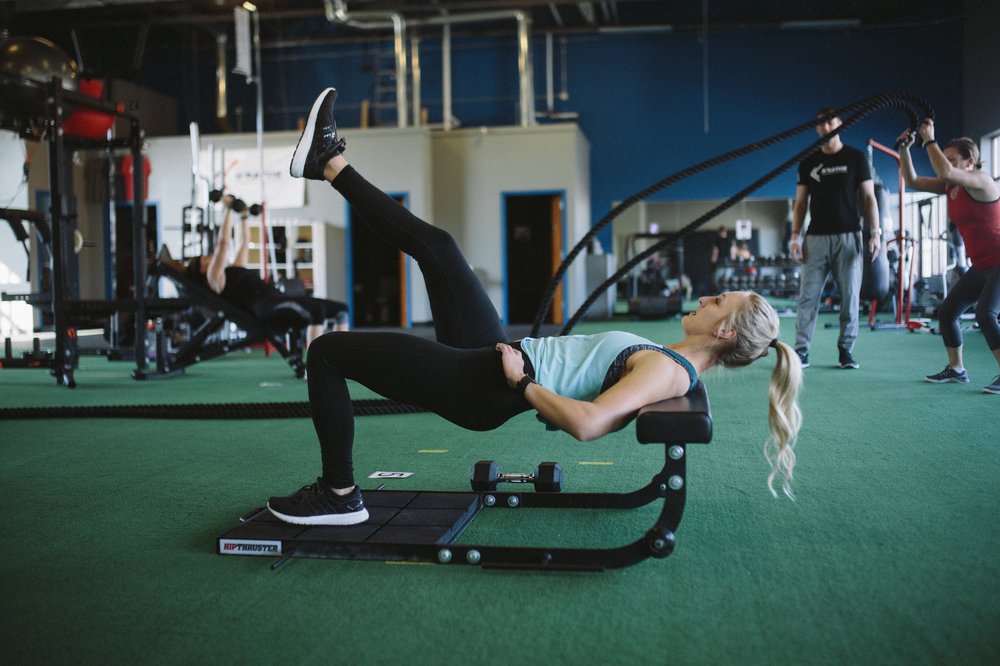
High‑altitude hypoxia doesn’t preclude hypertrophy—gyms in Leadville such as Mountain Barbell & Fitness prove it. Combining strength sessions with proper nutrition and recovery still yields gains—even at 10,000+ ft :contentReference[oaicite:7]{index=7}.
Myth 7: “Fasted cardio burns more fat”
Many think training on an empty stomach accelerates fat loss. At high altitude, though, fasted training can increase risk of injury and reduce performance due to glycogen depletion and increased bone turnover :contentReference[oaicite:8]{index=8}. Instead, focus on balanced fueling strategies.
Myth 8: “Your heart adapts instantly at altitude”
Adaptation takes time: studies from the Altitude Research Center confirm physiological changes may take days to weeks—only then red blood cells begin improving oxygen transport :contentReference[oaicite:9]{index=9}. Expect a transition phase, not instant gains.
Myth 9: “Single long runs prepare you best for ultramarathons”
Training veterans warn: mixing in high-intensity interval training at lower mileage helps improve efficiency at slower paces. Many Leadville ultrarunners adopt this hybrid model to succeed at over 100 miles :contentReference[oaicite:10]{index=10}.
Myth 10: “Stretching pre‑workout prevents injury”
Static stretching before sessions can reduce power output and slow reaction time. Instead, dynamic warm‑ups—especially in cold, thin air at elevation—prime the body more effectively. Save static stretches for post‑workout mobility.
Myth 11: “Hydration needs are same as at sea level”
At altitude dehydration risks increase—and loss of sodium is higher. Experts at Leadville recommend regular electrolyte intake and salted snacks during long exertion periods to maintain balance :contentReference[oaicite:11]{index=11}.
Myth 12: “You can train through fatigue daily”
Living and training at 10,000+ ft demands smart recovery. Trying to hit the same volume or intensity every day invites staleness or injury. Incorporate rest or active recovery phases deliberately to sustain progress.
The Real Key: Evidence‑Based Training in Leadville
Elite performers like ultrarunner David Roche shattered the Leadville 100 course record through intelligent programming: well‑timed strength, fueling, pacing, and altitude acclimation :contentReference[oaicite:12]{index=12}. Leadville’s ecosystem—trails like Mineral Belt and gyms like Mountain Barbell—shows that you can blend science and grit to reach peak performance.
Science Over Sweat: Why Evidence-Based Training Works at High Altitude
In Leadville, where oxygen levels plummet and physical stress escalates, guesswork can sabotage progress. Evidence-based training in Leadville ensures your workouts are tailored to your physiology, environment, and goals—eliminating outdated myths in favor of science-backed success.
David Roche: A Testament to Intelligent Programming
Elite ultrarunner David Roche didn’t just survive the Leadville 100—he dominated it. His secret? Strategic pacing, recovery cycles, and high-altitude adaptation. Evidence-based training in Leadville turned theoretical fitness into real-world performance gains.
Where Grit Meets Data: Training in the Heart of Leadville
The rugged Mineral Belt Trail and facilities like Mountain Barbell offer a unique blend of high-altitude grit and advanced methodology. Athletes here succeed by relying on science-backed training principles, not fads or trends.
Fuel, Lift, Adapt: The Trifecta of High-Altitude Fitness
Nutrition, strength training, and cardiovascular conditioning all require recalibration at 10,200 feet. Evidence-based training in Leadville synchronizes these pillars to drive consistent and sustainable results.
Leadville’s Edge: Real Altitude, Real Outcomes
Unlike simulated environments, Leadville provides a genuine high-altitude experience that amplifies training benefits. Merging real elevation with evidence-based training techniques allows athletes to unlock superior endurance, strength, and resilience.
Local Training Resources in Leadville
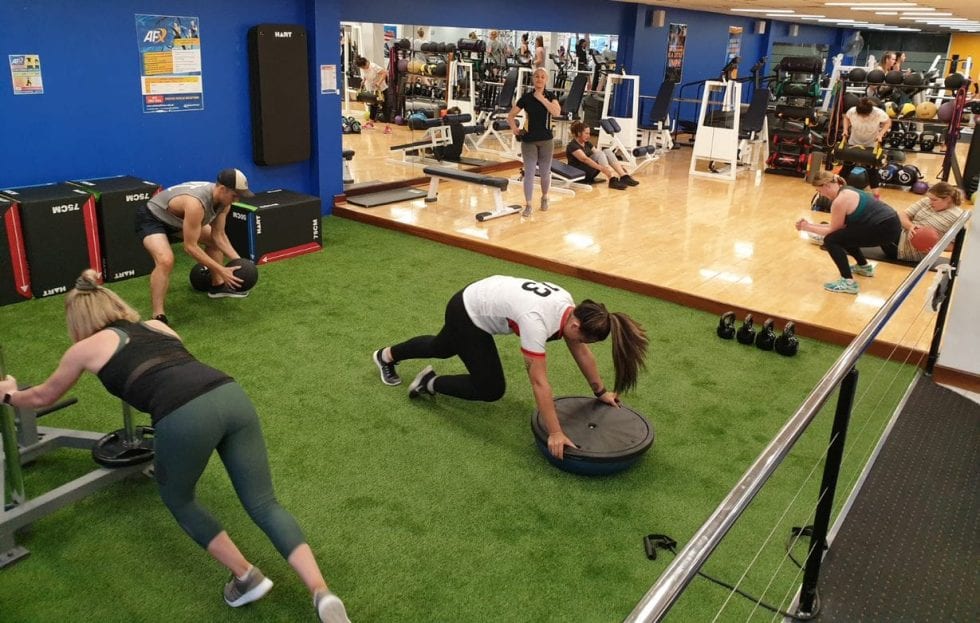
- Mountain Barbell & Fitness – High‑altitude strength, conditioning, nutrition, and body composition testing. Ideal for combatting myths #1, #6, #12 :contentReference[oaicite:13]{index=13}.
- Mineral Belt Trail – 11.6 mile loop around Leadville at ~10,200 ft, perfect for alternating between moderate and high-intensity workouts in iconic scenery :contentReference[oaicite:14]{index=14}.
- Leadville Race Series events – Attend or observe events like the Leadville Trail 100 to understand race pacing, nutrition, and recovery firsthand :contentReference[oaicite:15]{index=15}.
Mountain Barbell & Fitness: Leadville’s Science-Driven Gym
For athletes serious about performance at altitude, Mountain Barbell & Fitness is a must-visit. With services ranging from body composition testing to strength and conditioning programs, it embodies the core of evidence-based training in Leadville. It’s especially useful for busting common fitness myths around cardio vs. weights, fasted training, and overtraining.
Mineral Belt Trail: Nature Meets Performance Science
This stunning 11.6-mile loop at an average elevation of 10,200 feet is more than scenic—it’s a prime zone for applying evidence-based training in Leadville. Alternating intervals, tempo runs, and controlled hill sprints on this trail test both endurance and precision pacing.
Leadville Race Series: Real-World Fitness Education
The Leadville Trail 100 and related events provide invaluable insight into pacing, fueling, and mental resilience. Whether you’re racing or spectating, it’s an education in what truly works—dispelling myths like “carbs are bad” or “hydration isn’t critical.” This is where evidence-based training in Leadville meets high-stakes endurance.
On ihoxi.xyz: Related Articles
- 10 Morning Fitness Rituals to Supercharge Your Day
- Complete Guide to Balanced Diet and Exercise Plan
- 11 Nutrition Hacks Fitness Experts Swear By
External Resources & Further Reading
- Learn more about Leadville, Colorado :contentReference[oaicite:16]{index=16}
- Mineral Belt Trail, Leadville :contentReference[oaicite:17]{index=17}
- Leadville Race Series – Tips on competing at altitude :contentReference[oaicite:18]{index=18}
Additional Insights to Maximize Your Progress
- Altitude Training Masks Are Overhyped: These devices do not simulate the true oxygen deprivation experienced in Leadville. Real elevation training provides more physiological benefit than airflow restriction masks.
- Women Require Tailored Programming: Fitness myths often ignore hormonal cycles. Female athletes training at high altitude benefit from cycle-specific strength and endurance strategies.
- Supplements Are Not Substitutes: No powder replaces real food, water, electrolytes, or sleep. Especially at altitude, focusing on fundamental recovery habits is superior to relying on products.
- Recovery Must Be Intentional: In Leadville, recovery isn’t optional—it’s strategic. Include sleep optimization, hydration protocols, active recovery, and nutrient-dense meals in your weekly plan.
Related Articles on ihoxi.xyz
- No Equipment Home Workouts for High Altitude
- Vegan Meal Plan for Athletes at Altitude
- Morning Fitness Rituals for Peak Performance
- Nutrition Hacks Fitness Experts Swear By
- Balanced Diet and Exercise Plan for Longevity
Frequently Asked Questions (FAQs)
Q1: Why is evidence-based training in Leadville especially critical?
At elevations above 10,000 feet, misinformation about recovery, hydration, and exertion can lead to altitude sickness or burnout. Evidence-based training in Leadville ensures your routines are tailored to physiological realities, not outdated myths.Relying on fitness myths at 10,000+ feet is a recipe for underperformance; Leadville demands smarter, data-backed strategies.
Q2: Can I follow the same training program in Leadville as I would at sea level?
No. Leadville’s high altitude demands adaptations in pacing, rest, and volume. Programs built on scientific principles must be customized for oxygen-deprived environments.For those chasing peak performance, unlearning fitness myths is just as vital as mastering reps, sets, or pacing at elevation.
Q3: Do fitness myths increase injury risk at high altitude?
Absolutely. Believing myths like “no pain, no gain” or “you must train daily” in Leadville’s thin air can result in overuse injuries or immune suppression. Evidence-based training in Leadville emphasizes recovery and adaptation.
Q4: Is altitude training in Leadville only for elite athletes?
Not at all. Beginners benefit greatly when guided by evidence-based fitness plans. With proper pacing and acclimatization, newcomers can thrive while avoiding common mistakes.
Q5: Can I still build muscle at 10,000+ feet?
Yes. Structured resistance programs, combined with sufficient protein intake and recovery, enable hypertrophy—even in Leadville’s oxygen-poor air. Local gyms like Mountain Barbell specialize in this.What works at sea level often fails at 10,000 feet—Leadville forces athletes to confront and dismantle entrenched fitness myths with scientific clarity.
Q6: What’s the biggest fitness myth exposed by high-altitude training?
That more volume equals better results. In truth, quality over quantity is key. Leadville forces athletes to train smarter, not just harder.
Q7: Do heart rate zones change at higher altitudes?
Yes. Your maximum heart rate typically decreases at altitude, so recalibrating training zones is essential. This is a cornerstone of evidence-based training in Leadville.
Q8: Is hydration more important in Leadville?
The dry air accelerates fluid loss, even if you’re sweating less. Relying on thirst alone is a common fitness myth; use structured hydration strategies supported by science.Fitness myths often masquerade as tradition, but in Leadville’s elite training circles, they’re swiftly replaced with precision, research, and results.
Q9: Are fitness Myth influencers reliable sources for training in Leadville?
Not always. What works at sea level or in tropical climates may fail in Leadville. Prioritize information rooted in evidence-based physiology and local expertise.To succeed in Leadville, you must replace fitness myths with physiological truths tailored to altitude training.
Q10: Does training in Leadville help debunk cardio vs. strength myths?
Definitely. Balanced programs that incorporate both—based on evidence—outperform single-focus routines. Many fitness myths suggesting “cardio kills gains” are disproven at altitude.

Q11: How does Leadville altitude affect sleep and recovery?
Altitude can impair deep sleep, impacting performance. Evidence-based training in Leadville includes strategies like progressive acclimatization, nutrition timing, and active recovery to offset this.Fitness myths spread fast online, but only evidence-backed protocols succeed in high-performance zones like Leadville.
Q12: What role does nutrition play in high-altitude fitness Myth?
A vital one. Proper fueling is more critical in Leadville, especially iron, hydration, and calorie sufficiency. Skipping meals or cutting carbs—common myths—can sabotage progress.
Q13: How can I tell if a training method is scientifically sound?
Look for peer-reviewed research, coach certifications, and individualization. In Leadville, evidence-based training often includes physiological testing and performance tracking.The punishing elevation of Leadville serves as a proving ground where evidence-based training triumphs and fitness myths collapse.
Q14: Can women train at altitude with the same results as men?
Yes—with slight differences in iron needs, cycle-based recovery, and nutrition. Gender-based fitness myths are routinely challenged and corrected through scientific training in Leadville.High-altitude conditioning in Leadville exposes which fitness myths fail under pressure—and which science-based practices actually elevate results.
Q15: Is there a resource hub for evidence-based training in Leadville?
Absolutely. Explore community resources like Mountain Barbell, attend Leadville Race Series workshops, and check out our article on Best Home Workouts to Burn Fat for complementary strategies.Leadville’s terrain and training culture provide a rare opportunity to dissect and disprove widely accepted fitness myths with clarity and precision.
Final Thoughts: Break Free from Myths, Elevate Your Fitness Mythology
In a town like Leadville, where every breath and step is a test of endurance, believing in outdated fitness myths could cost you more than just wasted effort—it could derail your long-term health. By educating yourself and debunking falsehoods around weight loss, strength training, and recovery, you’re not just training smarter—you’re optimizing for results at elevation.
Remember: sustainable fitness is built on science-backed training principles, intelligent nutrition, proper rest, and a deep understanding of your body—especially in high-altitude environments like Leadville. Whether you’re an elite climber scaling Colorado’s 14ers or a beginner starting your wellness journey, cutting through theFitness myths is your first step toward measurable, lifelong progress.
Ready to rewrite your fitness myth narrative? Start by embracing truth, trusting evidence-based routines, and aligning your goals with your unique physiology. Its help in your fitness and your health.Fitness myth can derail your progress and lead to frustration.
Our article reveals how fitness myths crumble when confronted with real-world data from athletes thriving in Leadville.