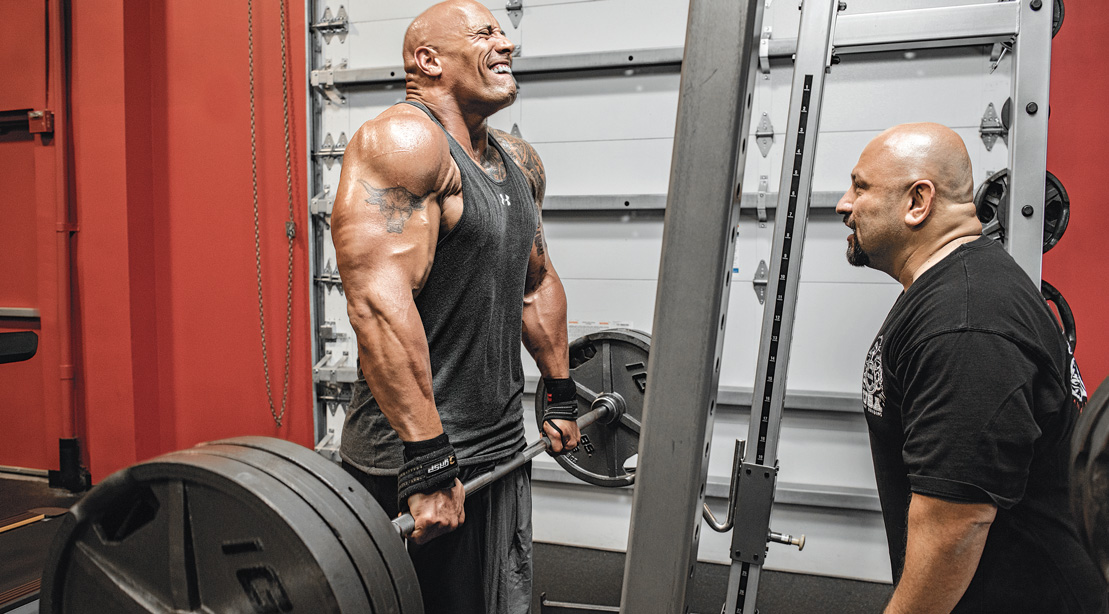
Unlock your peak performance and Explosive Vigor and experience unstoppable energy using these revolutionary fitness strategies inspired by American innovation.
Tactic One: High-Intensity Interval Training (HIIT)
Short bursts of intense exercise followed by recovery periods enhance cardiovascular health, fat burning, and endurance. Learn more at CDC Physical Activity Guidelines.
Tactic Two: Compound Strength Lifts
Squats, deadlifts, bench presses, and overhead presses work multiple muscles simultaneously, building functional strength and promoting explosive power. Check out detailed guides at NSCA.
Tactic Three: Functional Fitness Circuits
Combining strength, cardio, and mobility in circuit workouts improves real-world performance and overall athleticism. See examples at ExRx.net.
Tactic Four: Plyometric Explosive Training
Jump squats, box jumps, and medicine ball throws increase power, agility, and neuromuscular efficiency, supporting herculean performance gains.
Tactic Five: Mind-Muscle Connection Techniques
Focusing on target muscles during each lift improves activation, efficiency, and results. Learn more about the mind-muscle connection at Men’s Health.
Tactic Six: Periodized Strength Programming
Structuring training phases for intensity, volume, and recovery prevents plateaus and maximizes strength and hypertrophy. Explore periodization techniques at ACE Fitness.
Tactic Seven: Active Recovery and Mobility Work
Stretching, foam rolling, yoga, and low-intensity cardio enhance recovery, improve flexibility, and reduce injury risk, ensuring consistent performance.
Tactic Eight: Nutrient Timing for Energy Optimization
Eating proteins and carbohydrates around workouts supports energy, endurance, and recovery. For dietary tips, visit Nutrition.org.
Tactic Nine: Core and Stabilizer Strength
Rotational movements, planks, and anti-rotation exercises strengthen the core, enhance stability, and protect joints during explosive lifts.
Tactic Ten: Grip and Forearm Training
Grip-intensive exercises like farmer’s carries and wrist curls improve lift performance and overall functional strength.
Tactic Eleven: High-Volume Endurance Training
Multiple sets and moderate loads enhance muscular endurance, stamina, and metabolic conditioning, supporting long-lasting energy and performance.
Tactic Twelve: Mental Resilience and Visualization
Visualization, goal-setting, and mindfulness strengthen focus and determination, helping athletes push beyond perceived limits for extraordinary results.
Interactive Map: U.S. Fitness Centers Implementing Innovative Tactics
Explore gyms and training centers across the U.S. that integrate cutting-edge fitness strategies for peak performance.
© 2025 ihoxi.xyz. All rights reserved.
Integrating Wearable Tech for Real-Time Feedback
Fitness wearables and smart watches provide real-time data on heart rate, calories burned, and recovery, enabling precise adjustments to training intensity and optimizing results for explosive vigor.
Breath Control Techniques for Maximum Power
Controlled breathing, such as diaphragmatic and box breathing, enhances oxygen delivery, stabilizes the core, and improves performance during high-intensity lifts and cardio sessions.
Exploring Variable Resistance Training
Using resistance bands, chains, or cambered bars creates variable tension throughout movements, challenging muscles differently and stimulating continuous growth and explosive strength.
Pre-Workout Activation Drills
Activating muscles with dynamic movements and mobility exercises before lifting prepares the body for optimal performance, reduces injury risk, and improves neuromuscular efficiency.
Strategic Use of Supersets and Giant Sets
Pairing or chaining exercises with minimal rest increases workout density, boosts metabolic stress, and accelerates hypertrophy, helping you train with unshackled intensity.
Outdoor Functional Training for Agility
Incorporating sprints, hill climbs, and bodyweight circuits outdoors improves cardiovascular health, coordination, and functional strength while adding variety and excitement to workouts.
Mindset Conditioning Through Visualization
Visualizing successful lifts, circuits, or performance goals primes the nervous system, increases motivation, and strengthens mental resilience for sustained explosive vigor.
Core Rotation and Anti-Rotation Exercises
Exercises like Russian twists, Pallof presses, and cable rotations improve rotational strength, stabilize the spine, and enhance performance in complex, full-body movements.
High-Frequency Micro Workouts
Short, intense workouts spaced throughout the day maintain metabolic activity, improve energy levels, and sustain performance without overtaxing the body.
Optimizing Gym Environment for Focus
Lighting, music, equipment placement, and ambient conditions affect motivation and concentration. Curating an optimal environment enhances training efficiency and explosive performance.
Incorporating Plyometric Strength for Sports Performance
Plyometric exercises like jump squats, bounding, and medicine ball throws improve explosiveness, agility, and neuromuscular coordination, enhancing both athletic performance and gym results.
Structured Recovery Weeks for Longevity
Scheduled deloads and recovery weeks prevent overtraining, improve adaptation, and ensure long-term gains, allowing athletes to maintain unshackled vigor over months and years.
Grip Strength as a Foundation for Total Power
Enhancing forearm and hand strength through farmer’s carries, dead hangs, and wrist curls improves overall lift efficiency and functional performance across exercises.
Nutrition Periodization for Maximum Energy
Adjusting caloric intake and macronutrient timing around training cycles fuels workouts, supports recovery, and enhances performance, sustaining high-intensity output and explosive vigor.
Hybrid Training Methods for Balanced Development
Combining strength, cardio, and mobility in hybrid sessions improves muscular endurance, aerobic capacity, and functional ability, promoting balanced, herculean results.
Bodyweight Mastery for Functional Fitness
Exercises like pull-ups, push-ups, dips, and planks build core strength, coordination, and endurance, complementing weighted training and enhancing overall explosive performance.
Integrating Unilateral Movements for Symmetry
Single-limb exercises correct imbalances, improve coordination, and strengthen stabilizers, ensuring balanced strength development and reducing injury risk.
Active Recovery Techniques for Consistent Performance
Low-intensity cycling, swimming, or yoga promotes blood flow, reduces muscle soreness, and prepares the body for subsequent high-intensity sessions, maintaining explosive vigor.
Time Under Tension for Hypertrophy
Slowing down the eccentric and concentric phases of lifts increases muscle activation, endurance, and growth, optimizing strength gains and physical resilience.
Tracking Metrics for Long-Term Progress
Logging weight, repetitions, rest periods, heart rate, and perceived exertion helps refine training strategies, ensures continuous improvement, and sustains unshackled performance.
Cold Exposure for Recovery and Energy
Incorporating cold showers or ice baths post-workout can reduce inflammation, accelerate recovery, and improve mental alertness, boosting your ability to maintain unshackled, explosive vigor during subsequent sessions.
Integrating Balance Training for Stability
Exercises like single-leg stands, BOSU ball squats, and stability ball push-ups improve balance and proprioception, reducing injury risk and enhancing overall functional strength.
Using Medicine Balls for Dynamic Strength
Medicine ball throws, slams, and rotational movements build core power, coordination, and explosive force, providing a versatile tool for diverse workouts.
Implementing Circuit Training for Endurance
Combining multiple exercises in a timed circuit boosts cardiovascular fitness, muscular endurance, and mental resilience, making workouts more engaging and efficient.
Foam Rolling and Myofascial Release
Self-massage techniques like foam rolling and using massage balls improve tissue flexibility, relieve soreness, and enhance recovery for more effective training sessions.
High-Protein Meal Planning for Recovery
Incorporating lean meats, legumes, eggs, and dairy post-workout helps repair muscle tissue, replenishes energy stores, and supports consistent strength gains.
Incorporating Hill Sprints for Leg Power
Sprinting uphill increases lower-body strength, cardiovascular capacity, and explosiveness, providing a challenging alternative to traditional flat-ground running.
Jump Rope Conditioning
Jump rope exercises improve coordination, footwork, cardiovascular endurance, and agility, serving as an efficient full-body conditioning tool.
Using Sandbags for Functional Strength
Lifting, carrying, and throwing sandbags enhances grip, core engagement, and total-body strength, mimicking real-world functional movements.
Time Under Tension for Muscle Development
Slow, controlled repetitions increase muscle activation, hypertrophy, and endurance, providing a new stimulus for growth without adding heavier weights.
Agility Ladder Drills for Coordination
Performing footwork patterns on an agility ladder improves speed, balance, and neuromuscular control, which translates to better athletic performance.
Rotational Strength for Core Stability
Exercises involving twisting motions with cables, resistance bands, or medicine balls strengthen obliques and stabilizers, improving overall lifting mechanics.
Kettlebell Swings for Posterior Chain Development
Kettlebell swings target glutes, hamstrings, and lower back, enhancing strength, endurance, and hip power in a functional and dynamic manner.
Interval Rowing for Full-Body Conditioning
Rowing intervals engage the upper body, legs, and core while boosting cardiovascular fitness, providing a low-impact yet highly effective workout.
Dynamic Stretching Before Workouts
Dynamic movements like arm circles, leg swings, and torso twists improve blood flow, flexibility, and joint range of motion, preparing the body for high-intensity exercises.
Weighted Vest Training
Adding a weighted vest to bodyweight exercises increases resistance, enhances muscular endurance, and challenges cardiovascular systems without needing extra equipment.
Functional Mobility for Joint Health
Regular mobility drills for shoulders, hips, and ankles improve joint health, prevent injuries, and allow better execution of complex movements.
Bodyweight Plyometrics
Exercises such as jump squats, burpees, and tuck jumps enhance leg power, coordination, and overall athletic performance using only bodyweight.
Low-Impact Cardio Alternatives
Swimming, cycling, and elliptical training provide cardiovascular benefits with minimal joint strain, making them suitable for all fitness levels.
Multi-Planar Training for Functional Fitness
Training across different planes of motion ensures muscles work in all directions, improving stability, coordination, and real-world movement efficiency.
Tracking Progress for Long-Term Results
Logging workouts, weights, and repetitions helps monitor improvements, identify plateaus, and make informed adjustments to maintain consistent growth and performance.
Blood Flow Restriction Training
Using cuffs or bands to restrict blood flow during low-load resistance training stimulates muscle growth and strength, allowing athletes to achieve herculean results with reduced joint stress.
CrossFit-Style Metabolic Conditioning
Combining high-intensity strength and cardio circuits enhances endurance, power, and metabolic efficiency, creating a well-rounded approach to fitness that supports continuous explosive performance.
Neuromuscular Activation Drills
Priming the nervous system with activation drills for glutes, shoulders, and core improves recruitment during complex lifts, maximizing efficiency and strength output for unshackled results.
Explosive Olympic Lifts
Movements like snatches and clean-and-jerks develop power, coordination, and speed, creating an elite level of strength and agility that defines herculean fitness achievements.
Dynamic Warm-Up Sequences
Activating muscles through dynamic stretches and movement prep enhances mobility, reduces injury risk, and primes the body for high-intensity, explosive workouts.

Unilateral Leg Power Exercises
Single-leg squats, step-ups, and lunges improve balance, correct muscular imbalances, and develop lower-body explosiveness critical for athletic performance.
Rotational Core Training
Incorporating rotational movements with cables, medicine balls, or resistance bands strengthens obliques and stabilizers, enhancing torque, lifting mechanics, and overall athleticism.
Tempo-Controlled Lifting
Slowing down eccentric phases and controlling concentric movements increases time under tension, improving hypertrophy, joint control, and strength for sustained performance.
Functional Carry Variations
Farmer’s carries, suitcase carries, and overhead carries build grip strength, core stability, and total-body endurance, reinforcing explosive vigor in all functional movements.
High-Intensity Sled Workouts
Pushing and pulling weighted sleds develops lower-body power, speed, and cardiovascular capacity, creating a full-body challenge that enhances herculean strength and endurance.
Incorporating Suspension Training
TRX and suspension exercises leverage bodyweight to challenge stability, core engagement, and coordination, making workouts more functional and intensity-driven.
Advanced Plyometric Combinations
Combining jumps, bounds, and lateral hops improves muscular elasticity, explosiveness, and agility, which are essential components of elite-level fitness performance.
Core Stabilization for Heavy Lifting
Engaging deep core muscles during squats, deadlifts, and overhead lifts ensures spinal safety, improves force transfer, and maintains maximum intensity during unshackled workouts.
Active Mobility Work Between Sets
Incorporating mobility movements during rest periods maintains blood flow, improves joint range of motion, and prepares muscles for subsequent high-intensity sets.
Short, Frequent Training Bursts
Breaking workouts into several short sessions throughout the day maintains metabolic activity, improves skill acquisition, and sustains energy for herculean results.
Multi-Angle Resistance Training
Training muscles through different angles and planes of motion ensures balanced development, prevents overuse injuries, and enhances functional strength for athletic movements.
Integrating Mindfulness Practices
Meditation and focused breathing improve concentration, reduce stress hormones, and enhance performance by keeping the mind sharp and energy levels high during training.
Explosive Band-Resisted Movements
Using resistance bands during jumps, presses, or squats adds dynamic tension and challenges muscles differently, promoting strength, speed, and functional power.
Sports-Specific Conditioning Drills
Tailoring conditioning exercises to mimic movements in sports or activities improves performance, agility, and explosiveness, ensuring training transfers effectively to real-world applications.
Strategic Sleep Optimization
Prioritizing sleep quality, timing, and duration allows the body to recover, supports hormonal balance, and maintains high energy for consistent, unshackled training performance.
Frequently Asked Questions: Explosive Vigor
What does “Explosive Vigor” mean in fitness?
Explosive Vigor refers to a combination of high-intensity energy, power, and endurance that allows individuals to perform at peak physical levels consistently.
How can I develop Explosive Vigor for my workouts?
Incorporating high-intensity interval training (HIIT), plyometrics, compound lifts, and functional movements can significantly enhance Explosive Vigor.
Does nutrition impact Explosive Vigor?
Yes, consuming a balanced diet rich in protein, healthy fats, and complex carbohydrates fuels energy, supports recovery, and maximizes Explosive Vigor during workouts.
Can mental focus improve Explosive Vigor?
Mental preparation, visualization, and mindfulness enhance concentration, resilience, and intensity, directly boosting your Explosive Vigor.
Are supplements effective for Explosive Vigor?
Supplements like creatine, beta-alanine, and caffeine can support energy, power, and endurance, enhancing your ability to sustain Explosive Vigor.
How do compound lifts contribute to Explosive Vigor?
Exercises like squats, deadlifts, and presses engage multiple muscle groups simultaneously, increasing overall strength, coordination, and Explosive Vigor.
Can plyometric training enhance Explosive Vigor?
Yes, jumps, bounds, and explosive movements develop power, agility, and speed, which are key components of Explosive Vigor.
How important is recovery for maintaining Explosive Vigor?
Recovery, including sleep, active rest, and mobility work, is essential to sustain energy levels and maximize Explosive Vigor in consecutive workouts.
Do bodyweight exercises affect Explosive Vigor?
Yes, push-ups, pull-ups, dips, and planks build functional strength, stability, and endurance, enhancing overall Explosive Vigor.
Can grip strength influence Explosive Vigor?
Strong grip and forearm muscles improve performance in lifts and functional movements, directly supporting the generation of Explosive Vigor.
How does core stability improve Explosive Vigor?
A strong core stabilizes the body during lifts, enhances force transfer, and allows for greater power output, all of which contribute to Explosive Vigor.
Is cardiovascular training necessary for Explosive Vigor?
Cardio improves endurance, recovery, and energy efficiency, providing the foundation to sustain high-intensity training and maintain Explosive Vigor.
Can resistance bands enhance Explosive Vigor?
Resistance bands add variable tension to exercises, challenge stabilizers, and increase power, improving overall Explosive Vigor.
How does proper warm-up affect Explosive Vigor?
Dynamic warm-ups increase blood flow, activate muscles, and prime the nervous system, preparing the body to perform with maximum Explosive Vigor.
Can HIIT workouts boost Explosive Vigor?
High-Intensity Interval Training alternates between short, intense bursts and rest periods, enhancing strength, speed, endurance, and overall Explosive Vigor.
Does flexibility contribute to Explosive Vigor?
Improved flexibility and mobility enable greater range of motion, reduce injury risk, and allow more powerful movements, supporting sustained Explosive Vigor.
How can visualization techniques enhance Explosive Vigor?
Mentally rehearsing exercises and movements improves coordination, confidence, and efficiency, helping athletes generate higher Explosive Vigor in their training.
Are there specific drills for leg Explosive Vigor?
Plyometric jumps, lunges, sled pushes, and single-leg exercises target lower-body power, directly enhancing Explosive Vigor for athletic performance.
Can sleep quality influence Explosive Vigor?
High-quality sleep supports recovery, hormonal balance, and energy levels, which are crucial for maintaining Explosive Vigor during workouts.
Do micro-workouts improve Explosive Vigor?
Short, intense training sessions spaced throughout the day keep muscles active, enhance energy, and sustain overall Explosive Vigor without overtraining.
Can mindfulness and meditation help Explosive Vigor?
Practicing mindfulness reduces stress, enhances focus, and optimizes energy usage, indirectly supporting sustained Explosive Vigor in physical performance.
How does tempo training enhance Explosive Vigor?
Controlling the speed of eccentric and concentric movements increases time under tension, strength, and control, ultimately improving Explosive Vigor.
Does cold exposure impact Explosive Vigor?
Cold exposure, such as ice baths, reduces inflammation, accelerates recovery, and boosts mental alertness, helping maintain high levels of Explosive Vigor.
How do functional fitness exercises support Explosive Vigor?
Functional exercises mimic real-life movements, improving strength, coordination, and endurance, which collectively enhance Explosive Vigor in practical scenarios.
Can periodized training cycles improve Explosive Vigor?
Structuring training into phases with varying intensity and volume prevents plateaus, promotes recovery, and sustains long-term Explosive Vigor.
Can suspension training improve Explosive Vigor?
Suspension exercises like TRX push-ups and rows enhance stability, coordination, and core engagement, which directly contributes to sustained Explosive Vigor.
How does grip endurance affect Explosive Vigor?
Stronger grip and forearm endurance allow for more efficient lifts and functional movements, enhancing overall Explosive Vigor during workouts.
Does interval cycling boost Explosive Vigor?
High-intensity cycling intervals improve cardiovascular fitness, lower-body power, and energy systems, supporting high levels of Explosive Vigor.
Can resistance band work enhance Explosive Vigor?
Resistance bands provide variable tension throughout exercises, challenge stabilizing muscles, and increase strength, all contributing to greater Explosive Vigor.
How do agility drills influence Explosive Vigor?
Ladder drills, cone drills, and lateral movements improve coordination, speed, and neuromuscular control, boosting overall Explosive Vigor.
Can kettlebell training enhance Explosive Vigor?
Dynamic kettlebell exercises like swings, snatches, and cleans develop power, endurance, and coordination, significantly improving Explosive Vigor.
Does nutrition timing support Explosive Vigor?
Eating carbs and proteins before and after workouts provides energy and aids recovery, allowing sustained high-intensity performance and Explosive Vigor.
How do recovery supplements affect Explosive Vigor?
Supplements like BCAAs, glutamine, and protein shakes help muscles repair faster, supporting continuous energy and maximizing Explosive Vigor in subsequent sessions.
Can ladder drills improve Explosive Vigor?
Agility ladder exercises enhance foot speed, coordination, and explosive lower-body power, directly contributing to overall Explosive Vigor.
What is the best way to warm up before high-intensity workouts?
Dynamic stretches, mobility exercises, and light cardio are the most effective ways to prepare your body, increase blood flow, and prevent injuries before intense sessions.
How often should I change my workout routine?
Every six to eight weeks is ideal to prevent plateaus, keep muscles challenged, and ensure continuous progress in strength, endurance, and overall performance.
Is it better to work out in the morning or evening?
The optimal time depends on your energy levels, schedule, and lifestyle. Morning workouts can boost metabolism, while evening sessions may enhance strength and endurance.
How important is hydration during training?
Proper hydration maintains energy levels, supports recovery, prevents fatigue, and ensures optimal performance throughout workouts.
Can stretching prevent injuries?
Regular stretching improves flexibility, joint mobility, and range of motion, which reduces the risk of strains and injuries during physical activity.
How many rest days should I include in my weekly routine?
What is the difference between hypertrophy and strength training?
Hypertrophy focuses on increasing muscle size with moderate weights and higher reps, while strength training targets maximal force production using heavier loads.
Can yoga improve athletic performance?
Yoga enhances flexibility, balance, and mental focus, supporting recovery and improving performance in various physical activities.
Should I include unilateral exercises in my routine?
Yes, single-arm or single-leg exercises correct imbalances, improve stability, and enhance functional strength across multiple movements.
What is the benefit of progressive overload?
Gradually increasing weights, reps, or intensity challenges muscles and nervous system, promoting growth, strength gains, and continuous improvement.
How does nutrition timing affect recovery?
Eating protein and carbohydrates around workouts supports muscle repair, replenishes glycogen, and enhances energy for subsequent sessions.
Can functional training replace traditional weightlifting?
Functional training improves real-world movement patterns, stability, and endurance, but traditional weightlifting is still recommended for maximal strength gains.