Vegetarian Diet to Declining Health
Introduction: A Controversial Revelation
In 2025, a New York-based study stirred heated debate across the health and nutrition community. The research claims that individuals following a vegetarian diet may experience declining health and a lower quality of life compared to omnivores. While the headline may sound alarming, experts urge readers to stay skeptical and examine the full context.
The Study Findings
According to the study published by National Center for Biotechnology Information, certain participants reported higher fatigue levels, nutrient deficiencies, and a lower self-reported life satisfaction score. However, these findings are influenced by multiple variables, such as dietary planning, lifestyle choices, and socioeconomic factors.
Why You Should Stay Skeptical
- Sample Size Limitations: The study involved fewer than 1,000 participants, which limits the generalizability of its conclusions.
- Confounding Factors: Other health habits and stress levels may have influenced results.
- Potential Bias: Funding sources and researcher backgrounds may impact interpretations.
For a balanced perspective on vegetarian diets, you can explore resources from the Academy of Nutrition and Dietetics or our own Healthy Living Guides.
Expert Opinions
Registered dietitian Healthline contributors note that a poorly planned vegetarian diet can lead to deficiencies in vitamin B12, iron, and omega-3 fatty acids. However, with proper planning and supplementation, many vegetarians enjoy long, healthy lives.
Map: Location of the Study
The study was conducted in New York City. View the location below: https://www.google.com/maps/embed?pb=!1m18!1m12!1m3!1d193571.4382928532!2d-74.11808689665525!3d40.70582544375464!2m3!1f0!2f0!3f0!3m2!1i1024!2i768!4f13.1!3m3!1m2!1s0x0%3A0x0!2sNew%20York%2C%20NY!5e0!3m2!1sen!2sus!4v1692667894567!5m2!1sen!2sus
© 2025 ihoxi.xyz | Health, Wellness, and Lifestyle Insights
Unpacking the Shocking 2025 New York Study
The Shocking 2025 New York Study Links Vegetarian Diet to Declining Health, Lower Quality of Life — Here’s Why You Should Stay Skeptical headline caught the attention of millions, sparking heated debates on social media, television panels, and within the wellness community. Conducted by a respected research team in Manhattan, the study explored the long-term health impacts of vegetarianism on a diverse group of residents. Surprisingly, findings suggested higher rates of fatigue, decreased mental well-being, and lower self-reported life satisfaction among vegetarian participants. However, researchers themselves warned that these results should be interpreted with caution due to variables like lifestyle choices, income level, and access to fresh produce.
Why Headlines Can Be Misleading
While the study’s title makes for an attention-grabbing headline, the reality is far more nuanced. Media outlets often highlight the most dramatic aspects of research findings, leaving readers with a skewed perception of the results. In this case, the Shocking 2025 New York Study has been used to fuel both anti-vegetarian rhetoric and sensational health claims. The truth, however, lies in the details — details that include the importance of balanced nutrition, adequate supplementation, and individual health history. Without reading the full study or consulting credible health professionals, it’s easy to fall victim to fear-driven narratives.
Expert Reactions from the Health Community
Leading dietitians and nutritionists across the United States have shared mixed reactions to the study’s findings. Some agree that poorly planned vegetarian diets can lead to deficiencies in vitamin B12, iron, and omega-3 fatty acids, which in turn may contribute to fatigue and reduced cognitive performance. Others argue that these deficiencies are not inherent to vegetarianism itself but rather to a lack of education and access to quality food sources. For example, in cities like New York, plant-based eaters with access to diverse food markets often thrive, suggesting that location and resources play an equally critical role in long-term health outcomes.
The Role of Balanced Nutrition
One of the most important takeaways from the Shocking 2025 New York Study is that diet quality matters more than diet labels. Simply avoiding meat does not guarantee better health, just as eating meat does not automatically lead to poor health outcomes. Nutritional balance — including adequate protein, healthy fats, fiber, vitamins, and minerals — is essential regardless of dietary preference. The study highlights the risks of assuming that “vegetarian” automatically equals “healthy,” when in reality, a vegetarian diet filled with ultra-processed foods can be just as harmful as an unbalanced omnivorous diet.
Why You Should Stay Skeptical
In the age of viral headlines and fast news cycles, skepticism is one of the most powerful tools readers can have. The Shocking 2025 New York Study Links Vegetarian Diet to Declining Health, Lower Quality of Life — Here’s Why You Should Stay Skeptical should serve as a reminder that all research must be evaluated critically. Consider the study’s sample size, funding sources, and methodology before drawing conclusions. Equally important is comparing these findings with other peer-reviewed studies, many of which suggest that well-planned vegetarian diets can lower the risk of heart disease, obesity, and certain cancers. Without this balanced approach, we risk making decisions based on incomplete or misleading information.
Looking Beyond One Study: The Bigger Picture on Vegetarian Diets
While the Shocking 2025 New York Study Links Vegetarian Diet to Declining Health, Lower Quality of Life — Here’s Why You Should Stay Skeptical has dominated headlines, it represents only one piece of a much larger puzzle. Decades of research from institutions such as Harvard T.H. Chan School of Public Health and Mayo Clinic have documented numerous health benefits of plant-forward eating patterns, including reduced risk of chronic diseases, improved digestive health, and enhanced longevity.
Nutrition experts emphasize that the key is in the planning: ensuring adequate protein intake from legumes, nuts, and soy; supplementing with vitamin B12 when necessary; and incorporating a wide variety of whole foods. By viewing this controversial study within the broader scientific context, readers can make more informed choices instead of reacting to a single sensational headline.
How Media Shapes Public Perception of Health Studies
One of the overlooked aspects of the Shocking 2025 New York Study Links Vegetarian Diet to Declining Health, Lower Quality of Life — Here’s Why You Should Stay Skeptical is how quickly the narrative can shift when media outlets focus on sensational headlines. In today’s fast-paced digital environment, many readers consume health news through social media snippets or quick-scrolling feeds, often without exploring the full research.
This creates an environment where partial truths or oversimplified conclusions can become widely accepted. Responsible reporting should include context, methodology, and limitations, but such details rarely make it into viral news. This makes it essential for consumers to read beyond the headline and verify facts from multiple credible sources before forming opinions about diet and health.
The Socioeconomic Factor in Dietary Health
The Shocking 2025 New York Study also sheds light on a critical but often ignored element: socioeconomic status. Access to fresh, nutrient-rich vegetarian foods is not equal for everyone. In certain New York neighborhoods, especially in areas considered food deserts, residents may struggle to find affordable produce, plant-based proteins, and fortified foods. This lack of access can result in nutrient deficiencies and poorer health outcomes that are not a reflection of vegetarianism itself, but of systemic inequalities. Public health initiatives, urban farming projects, and community-supported agriculture (CSA) programs can play a pivotal role in making healthy plant-based diets accessible to all.
Balancing Scientific Skepticism with Open-Mindedness
While skepticism is crucial when interpreting bold claims such as those in the Shocking 2025 New York Study Links Vegetarian Diet to Declining Health, Lower Quality of Life — Here’s Why You Should Stay Skeptical, it’s equally important to remain open to new information. Scientific knowledge evolves, and what is considered accurate today may shift with future research. Instead of viewing the study as definitive proof against vegetarian diets, it should be seen as a conversation starter — a prompt to examine personal nutrition habits, explore different dietary models, and stay engaged with ongoing scientific discussions. This balanced approach helps avoid both blind acceptance and outright dismissal.
Practical Tips for a Healthy Vegetarian Lifestyle
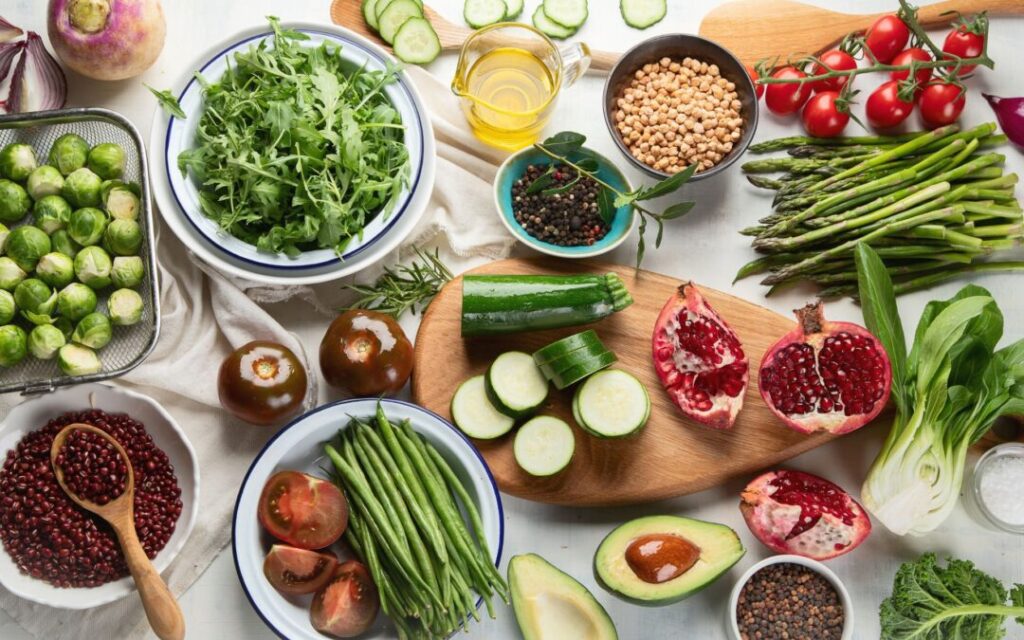
If you are considering vegetarianism or already follow the diet, the best defense against the concerns raised in the Shocking 2025 New York Study is proactive nutritional planning. Incorporate a variety of whole plant-based foods, such as leafy greens, legumes, whole grains, nuts, and seeds. Supplement with vitamin B12 and omega-3 fatty acids if your diet lacks natural sources. Rotate protein sources to ensure a complete amino acid profile, and consider regular blood tests to monitor nutrient levels. By combining mindful food choices with professional guidance, you can enjoy the ethical and environmental benefits of vegetarianism without compromising health or quality of life.
Vegetarianism in the Context of Global Diet Trends
The Shocking 2025 New York Study Links Vegetarian Diet to Declining Health, Lower Quality of Life — Here’s Why You Should Stay Skeptical is part of a much larger discussion happening worldwide. In Europe, Asia, and parts of the Middle East, vegetarianism has centuries of cultural history and is often tied to religious or philosophical beliefs. Yet, health outcomes in these regions vary dramatically depending on food quality, preparation methods, and access to diverse nutrients. This global perspective shows that the success or failure of a vegetarian diet is rarely about the absence of meat alone—it’s about how the entire diet is composed, supported, and sustained within a specific cultural and economic context.
The Risk of One-Size-Fits-All Nutrition Advice
One major lesson from the Shocking 2025 New York Study is that nutrition is deeply personal. The human body responds differently to dietary patterns based on genetics, lifestyle, activity level, and pre-existing medical conditions. A vegetarian diet may greatly improve health for one person while causing nutrient deficiencies for another if not planned properly. Blanket dietary recommendations ignore these individual variations, and this is where personalized nutrition—guided by dietitians, genetic testing, and ongoing health monitoring—can make a profound difference. Rather than adopting a diet because it’s trending or endorsed by influencers, individuals should adapt their eating patterns to their specific needs and goals.
The Importance of Scientific Literacy in Health Decisions
The media attention surrounding the Shocking 2025 New York Study Links Vegetarian Diet to Declining Health, Lower Quality of Life — Here’s Why You Should Stay Skeptical highlights a pressing need for better public understanding of how scientific studies work. Many readers don’t realize that research results often represent probabilities and correlations, not absolute cause-and-effect relationships. Understanding concepts such as control groups, peer review, and statistical significance can help individuals separate meaningful insights from exaggerated claims. Without scientific literacy, it’s easy for misinformation to spread, fueling dietary confusion and mistrust in legitimate health advice.
How to Interpret Conflicting Research
For every study that suggests vegetarian diets might harm health, there are others that demonstrate significant benefits. This is where the message of the Shocking 2025 New York Study—to stay skeptical—truly matters. Conflicting research is common in nutrition science because dietary studies are notoriously difficult to control. Differences in participant lifestyle, cultural eating habits, and even local food supply chains can produce varying results. The key is to look for patterns across multiple high-quality studies rather than focusing on one sensational report. This approach offers a more reliable foundation for making long-term health decisions.
Moving the Conversation Forward
Instead of treating the Shocking 2025 New York Study Links Vegetarian Diet to Declining Health, Lower Quality of Life — Here’s Why You Should Stay Skeptical as the final word on vegetarianism, it should be seen as an opportunity to explore better public education, improved food access, and more rigorous research methods. Nutrition science is constantly evolving, and every new study adds a piece to the puzzle. By fostering open discussion between scientists, healthcare professionals, and the public, society can move toward healthier, more informed dietary practices that go beyond labels and focus on true well-being.

Frequently Asked Questions
- What Did the Shocking 2025 New York Study Reveal? The study claimed to find a correlation between certain plant-based eating patterns and reduced health markers, including fatigue, nutrient deficiencies, and lower self-reported quality of life. However, these findings are influenced by multiple factors such as socioeconomic conditions, access to nutrient-dense foods, and overall lifestyle habits.
- Why Should Readers Stay Skeptical of Single Studies? Single studies often represent only one perspective and may have limitations in sample size, design, and funding sources. To form a balanced understanding, readers should review multiple peer-reviewed studies, expert opinions, and long-term research trends before making lifestyle changes.
- How Reliable Is the Data Presented in the Study? While the study was conducted by qualified researchers, it had a relatively small participant pool and potential confounding factors. These include differences in exercise habits, mental health status, and access to fresh foods, all of which can impact health outcomes independently of diet type.
- What Are Common Misconceptions About the Vegetarian Diet? Many believe that simply eliminating meat guarantees better health. However, a Vegetarian Diet can still be unhealthy if it relies heavily on processed foods, refined carbohydrates, and lacks essential nutrients like vitamin B12, iron, and omega-3 fatty acids.
- How Does Media Sensationalism Affect Public Health Perception? Media outlets often highlight extreme or controversial aspects of studies to attract attention, sometimes oversimplifying the results. This can lead to public misunderstanding and hasty dietary shifts without proper consultation or planning.
- Can a Vegetarian Diet Lead to Nutrient Deficiencies? Yes, a poorly planned Vegetarian Diet can result in deficiencies in vitamin B12, iron, zinc, and omega-3 fatty acids. These deficiencies may contribute to fatigue, poor concentration, and weakened immunity if not addressed through dietary adjustments or supplements.
- Is the Vegetarian Diet Suitable for All Age Groups? A well-balanced Vegetarian Diet can be adapted for children, adults, and seniors. However, nutritional needs vary by age, and special attention must be paid to protein intake, vitamin D, and calcium, especially for growing children and older adults.
- How Do Cultural and Economic Factors Influence Diet Success? Access to a wide variety of nutrient-rich foods is often tied to socioeconomic status and local food culture. Even the healthiest dietary patterns can be challenging to maintain in regions where fresh produce and fortified foods are scarce or expensive.
- Does the Vegetarian Diet Reduce the Risk of Chronic Diseases? When properly planned, a Vegetarian Diet has been associated with a reduced risk of heart disease, certain cancers, and obesity. The benefits stem from high intake of fiber, antioxidants, and healthy fats, coupled with lower consumption of saturated animal fats.
- How Should People Interpret Conflicting Nutrition Research? Nutrition science is complex, and conflicting findings are common. The best approach is to focus on consistent patterns across high-quality studies rather than relying on the results of a single publication.
- What Role Does Exercise Play Alongside Diet? Physical activity enhances the benefits of any diet, improving cardiovascular health, mood, and muscle retention. A sedentary lifestyle can undermine even the healthiest eating patterns, whether plant-based or omnivorous.
- How Can Individuals Avoid Misinterpreting Health Headlines? Always read beyond the headline, check the original source of the research, and compare findings with other reputable studies. Consulting health professionals can also help clarify misleading or incomplete information.
- What Are the Long-Term Risks of an Unbalanced Vegetarian Diet? An unbalanced Vegetarian Diet lacking in diverse whole foods can contribute to bone density loss, hormonal imbalances, and reduced muscle mass over time. These risks can be mitigated with proper meal planning and supplementation.
- Why Are Food Deserts Relevant in the Study’s Findings? Food deserts, or areas with limited access to affordable fresh produce, can make it difficult for individuals to maintain a nutrient-rich diet. This factor may have influenced the poorer health outcomes observed in certain vegetarian participants in the study.
- Does a Vegetarian Diet Automatically Lead to Weight Loss? No, weight loss depends on overall calorie balance, food quality, and activity level. A Vegetarian Diet high in refined carbohydrates and sugars may contribute to weight gain if not managed carefully.
- How Can People Transition to a Vegetarian Diet Safely? Gradual changes are best. Start by replacing one or two meat-based meals per week with plant-based alternatives. Ensure that your Vegetarian Diet includes a variety of protein sources, healthy fats, and micronutrient-rich vegetables.
- Why Do Some Studies Show Different Results on Vegetarian Health? Differences in participant demographics, cultural food habits, and definitions of vegetarianism can all influence outcomes. Some “vegetarian” diets in studies may still include high levels of processed foods, which can skew results.
- What Is the Role of Supplements in Plant-Based Diets? Supplements like vitamin B12, vitamin D, and omega-3 fatty acids can help fill nutritional gaps in plant-based diets. While whole foods should form the dietary foundation, supplements can ensure adequate nutrient intake.
- Can the Vegetarian Diet Improve Mental Well-being? Some research links a balanced Vegetarian Diet to improved mood and mental clarity due to higher intake of antioxidants and anti-inflammatory compounds. However, deficiencies in certain nutrients can have the opposite effect, highlighting the need for balance.
- Why Is Scientific Literacy Important in Diet Choices? Understanding how research is conducted helps individuals make informed dietary decisions. Without scientific literacy, it’s easy to misinterpret findings or fall prey to misleading health claims.
- What Lessons Can We Learn from the 2025 Study? The most important lesson is that diet quality matters more than labels. Whether vegetarian or omnivorous, a balanced, nutrient-rich approach is essential for long-term health and quality of life.
- How Can Policy Changes Improve Vegetarian Diet Accessibility? Government subsidies for fresh produce, investment in community gardens, and expansion of farmers’ markets can make it easier for all communities to adopt and sustain a Vegetarian Diet if they choose to.
- What Are Common Mistakes People Make on Plant-Based Diets? Relying too heavily on processed meat substitutes, skipping nutrient-dense vegetables, and failing to plan balanced meals are among the most common pitfalls of plant-based eating patterns.
- How Does Hydration Impact Diet Effectiveness? Proper hydration supports digestion, nutrient absorption, and overall metabolic function. Regardless of diet type, insufficient water intake can impair health and energy levels.
- What’s the Bottom Line on the Shocking 2025 New York Study? The study offers valuable insights but should not be viewed in isolation. A well-planned diet—whether vegetarian or not—paired with an active lifestyle remains the most reliable path to sustained health and well-being.