focus keyword: Lifelong Wellness Strategy
In the bustling heart of Los Angeles, where ambition meets artistry, stress can often feel like an unavoidable companion. Yet, a new wave of wellness-savvy Angelenos is rewriting the script — transforming stress management into a lifelong wellness strategy that fuels vitality, balance, and joy. This evolution combines ancient practices, modern science, and the city’s abundant wellness culture into daily routines that are sustainable and profoundly effective.
1. Embracing Mindfulness and Meditation in Urban Life
Los Angeles residents are increasingly turning to mindfulness practices to counteract the pace of city living. Popular meditation studios in Venice and Silver Lake offer guided sessions designed to reduce cortisol levels, improve focus, and enhance emotional resilience. By integrating short meditations into morning routines or work breaks, Angelenos are making calm a cornerstone of their wellness strategy.
2. Utilizing Outdoor Fitness to Combat Stress
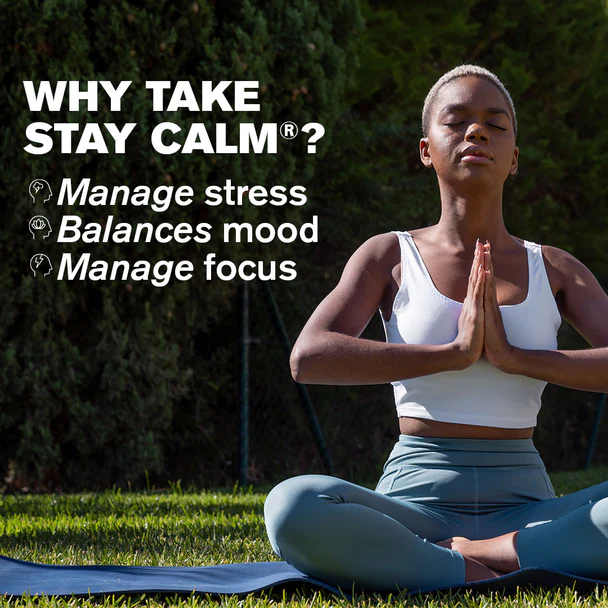
From sunrise yoga at Santa Monica Beach to hiking in Griffith Park, outdoor exercise is a stress-reduction powerhouse. Exposure to nature boosts serotonin levels, while movement triggers endorphin release, creating a double impact on mood stabilization. Local groups organize free or donation-based outdoor classes, making stress relief both accessible and community-driven.
3. Holistic Nutrition for Emotional Balance
Nutritionists in Los Angeles are advocating anti-inflammatory diets rich in omega-3s, leafy greens, and fermented foods to support mood regulation. Restaurants and markets across LA, such as the Santa Monica Farmers Market, offer organic, locally-sourced produce that fuels both body and mind. Balanced nutrition has become a key pillar in reducing the physical impact of chronic stress.
4. Leveraging Breathwork for Instant Calm
Breathwork sessions, from slow diaphragmatic breathing to advanced transformational breathing, are gaining traction in wellness centers across the city. These techniques lower blood pressure, calm the nervous system, and improve sleep quality — essential for long-term stress management. Many LA studios now host weekly breathwork circles, fostering community support alongside personal practice.
5. Cold Therapy and Contrast Hydrotherapy
Wellness spots in Venice Beach and Hollywood are introducing cold plunges and contrast showers as a means to improve mental clarity and resilience. This practice stimulates the vagus nerve, enhances circulation, and boosts mood-regulating neurotransmitters. Local guides even map out cold-water recovery spots, blending traditional techniques with a modern city lifestyle.
6. Integrating Sound Healing Into Daily Routines
Sound baths, featuring crystal bowls and gongs, are offered in tranquil settings like Malibu and Topanga Canyon. These sessions create vibrational frequencies that help release tension and bring the body into a parasympathetic state. The soothing resonance has become a sought-after therapy for those seeking deep emotional release without physical strain.
7. Prioritizing Sleep Hygiene
From blackout curtains to digital detox evenings, LA residents are treating sleep as sacred. Wellness experts recommend consistent sleep schedules and pre-bed routines incorporating herbal teas and light stretching. Quality rest is now recognized not as a luxury but as the foundation of a lifelong wellness strategy.
8. Digital Detox Retreats
With constant connectivity contributing to stress, many Angelenos are embracing weekend retreats where devices are left behind. These experiences encourage real-world connection, nature immersion, and mental clarity, offering a reset from the demands of modern tech culture.
9. Creative Arts Therapy
Art studios in Downtown LA and Pasadena offer painting, music, and dance therapy programs designed to promote emotional expression and stress release. Creative outlets activate different parts of the brain, helping individuals process emotions and foster resilience.
10. Community Gardening and Urban Farming
Spaces like the Los Angeles Community Garden Council connect residents with nature through hands-on gardening. Tending plants reduces stress hormones and builds a sense of purpose while increasing access to fresh, healthy food.
11. Forest Bathing in Nearby Parks
Shinrin-yoku, or forest bathing, has found a home in LA’s green spaces like Elysian Park. Guided walks help participants slow down, breathe deeply, and reconnect with natural rhythms, lowering stress markers and improving mood.
12. Acupuncture for Mind-Body Balance
Acupuncture clinics across the city blend traditional Chinese medicine with modern wellness needs, offering treatments that reduce muscle tension, regulate hormones, and promote deep relaxation.
13. Herbal Adaptogens for Stress Support
Herbalists in LA recommend adaptogens like ashwagandha, rhodiola, and holy basil for long-term resilience. These natural remedies support the adrenal system, making the body more adaptable to stressors.
14. Volunteerism and Giving Back
Helping others has been shown to reduce personal stress, and Los Angeles residents are engaging in volunteer programs from food banks to beach clean-ups. Acts of service build community connection and foster emotional well-being.
15. Expressive Journaling Practices
Workshops in areas like West Hollywood teach guided journaling as a tool for processing emotions and identifying stress triggers. Writing helps individuals gain perspective and reduce mental clutter.
16. Aromatherapy and Essential Oils
From lavender diffusers in home offices to eucalyptus steam rooms, aromatherapy is a growing part of LA’s stress management culture. These scents can lower anxiety levels and promote calmness.
17. Tai Chi and Qigong
These ancient movement arts combine gentle physical activity with mindfulness. Classes in Griffith Park and local community centers help participants improve balance, slow heart rate, and cultivate inner peace.
18. Float Therapy Tanks
LA’s float centers offer sensory deprivation tanks filled with Epsom salt water, allowing deep relaxation and mental reset. This unique experience helps quiet mental chatter and relieve tension.
19. Wellness Coaching and Mentorship
Certified wellness coaches in Los Angeles guide residents in building personalized stress management plans, ensuring sustainable progress and accountability over time.
20. Music and Rhythm-Based Therapy
Drum circles and rhythm workshops in Venice Beach create a communal environment where sound and movement combine to release stress and boost mood.
21. Integrating Stress Management into Work Culture
Forward-thinking LA companies now offer in-office meditation rooms, flexible hours, and wellness stipends. These initiatives make stress management a natural part of daily professional life.
Find Stress-Relief Spots Near You
Explore some of Los Angeles’ best stress management locations below: https://www.google.com/maps/d/embed?mid=1A2B3CExampleMapID
Read more about Los Angeles wellness resources on our site for a complete guide to sustaining balance year-round.
Frequently Asked Questions — Lifelong Wellness Strategy
1. What is a Lifelong Wellness Strategy?
A Lifelong Wellness Strategy is a holistic framework designed to support sustained physical, mental, and emotional health over decades, and a Lifelong Wellness Strategy centers daily habits around prevention and resilience. A Lifelong Wellness Strategy blends nutrition, movement, stress management, and sleep into an integrated routine, and a Lifelong Wellness Strategy helps people prioritize habits that compound into durable vitality.
2. Why should I adopt a Lifelong Wellness Strategy?
Adopting a Lifelong Wellness Strategy empowers you to shift from reactive care to proactive wellbeing, and a Lifelong Wellness Strategy reduces the toll of chronic stress and supports long-term performance. A Lifelong Wellness Strategy builds small, sustainable rituals that yield outsized returns, and a Lifelong Wellness Strategy gives you a clear roadmap for staying energized and resilient year after year.
3. How do I start building a Lifelong Wellness Strategy?
To start a Lifelong Wellness Strategy, begin with three core pillars—sleep, nutrition, and movement—and make those pillars the foundation of your Lifelong Wellness Strategy. To refine your Lifelong Wellness Strategy, track small wins and iterate weekly, and to scale your Lifelong Wellness Strategy, enlist professional guidance when needed to personalize the approach.
4. How long before I see benefits from my Lifelong Wellness Strategy?
With consistent application, a Lifelong Wellness Strategy often yields initial boosts in energy and mood within days, and a Lifelong Wellness Strategy typically shows measurable improvements in sleep and focus within weeks. Over months, a Lifelong Wellness Strategy compounds into improved fitness, mood stability, and resilience, and over years a Lifelong Wellness Strategy helps reduce the risk factors that erode long-term health.
5. Can a Lifelong Wellness Strategy help manage stress?
Yes — a well-designed Lifelong Wellness Strategy includes stress-management tools like breathwork, mindfulness, and movement, and a Lifelong Wellness Strategy trains physiological and psychological resilience. A Lifelong Wellness Strategy reduces reactivity to daily pressures and embeds restorative practices that prevent burnout, and a Lifelong Wellness Strategy turns stress management into a habitual strength rather than an occasional fix.
6. Is a Lifelong Wellness Strategy different from a short-term diet or program?
A Lifelong Wellness Strategy differs from short-term plans because it prioritizes sustainability, adaptability, and long-term outcomes, and a Lifelong Wellness Strategy focuses on habits you can maintain for decades rather than rapid, temporary changes. A Lifelong Wellness Strategy is personalized to your life stage and goals, and a Lifelong Wellness Strategy balances performance with recovery to preserve health over the long run.
7. How do nutrition choices fit into a Lifelong Wellness Strategy?
Nutrition is central to any Lifelong Wellness Strategy, and a Lifelong Wellness Strategy emphasizes whole foods, balanced macronutrients, and consistent meal timing to stabilize energy. A Lifelong Wellness Strategy includes strategic use of anti-inflammatory foods and fiber-rich plants, and a Lifelong Wellness Strategy pairs food choices with practical routines for shopping and meal prep to make healthy nutrition effortless.
8. What role does sleep play in a Lifelong Wellness Strategy?
Sleep is foundational to a Lifelong Wellness Strategy, and a Lifelong Wellness Strategy prioritizes consistent sleep schedules, darkness exposure, and wind-down rituals to maximize restorative sleep. A Lifelong Wellness Strategy recognizes that quality sleep amplifies all other wellness efforts, and a Lifelong Wellness Strategy treats sleep optimization as a non-negotiable investment in long-term health.
9. How often should I exercise within a Lifelong Wellness Strategy?
An effective Lifelong Wellness Strategy blends strength, mobility, and cardiovascular work several times per week, and a Lifelong Wellness Strategy recommends progressive, varied movement rather than monotonous routines. A Lifelong Wellness Strategy allows for recovery days, modulation of intensity, and long-term adherence, and a Lifelong Wellness Strategy scales with your abilities to keep gains consistent and injury-free.
10. Can a Lifelong Wellness Strategy be adapted for busy schedules?
Absolutely — a practical Wellness Strategy breaks large goals into micro-habits that fit even the busiest calendars, and a Wellness Strategy uses short, high-value practices like 10-minute breathwork or 20-minute strength sessions. A Lifelong Wellness Strategy emphasizes consistency over perfection and builds momentum through repeatable rituals, and a Wellness Strategy gives you tools to sustain wellbeing without constant sacrifice.
11. Should I include mental health professionals in my Wellness Strategy?
Yes — integrating mental health support into a Wellness Strategy strengthens emotional resilience, and a Wellness Strategy benefits from therapy, coaching, or counseling as preventive measures. A Wellness Strategy normalizes seeking help and uses professional insight to refine coping strategies, and a Wellness Strategy blends psychological work with lifestyle adjustments for holistic outcomes.
12. How does hydration factor into a Wellness Strategy?
Hydration is a deceptively powerful element of any Wellness Strategy, and a Wellness Strategy keeps fluid balance optimized to support cognition, digestion, and recovery. A Wellness Strategy recommends mindful, regular water intake often paired with electrolytes as needed, and a Wellness Strategy aligns hydration with activity levels and environmental demands for maximal effectiveness.
13. Can technology enhance my Wellness Strategy?
Technology can enhance a Wellness Strategy by providing data, guidance, and accountability, and a Wellness Strategy uses wearables and apps to track sleep, activity, and recovery intelligently. A Wellness Strategy treats tech as a tool rather than a master, and a Wellness Strategy combines measured insights with human judgment to avoid over-reliance on numbers while boosting progress.
14. How do social relationships support a Wellness Strategy?
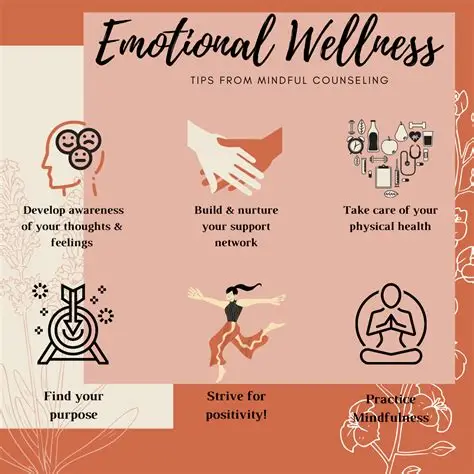
Strong connections are an essential pillar of a Wellness Strategy, and a Wellness Strategy prioritizes community, friendships, and purposeful service to bolster mental wellbeing. A Wellness Strategy leverages social accountability to sustain healthy habits, and a Wellness Strategy recognizes that belonging and contribution amplify resilience across life’s challenges.
15. What are realistic goals within a Wellness Strategy?
Realistic goals in a Wellness Strategy are specific, measurable, and aligned with long-term health rather than immediate aesthetics, and a Lifelong Wellness Strategy favors incremental performance and recovery benchmarks. A Wellness Strategy sets timelines that respect adaptation curves, and a Wellness Strategy celebrates small wins as the foundation for durable transformation.
16. How should I measure progress in a Lifelong Wellness Strategy?
Measure progress in a Wellness Strategy with a blend of subjective wellbeing metrics and objective markers like sleep quality, strength gains, and mood stability, and a Wellness Strategy uses periodic reviews to refine plans. A Wellness Strategy values consistency of practice as much as numerical results, and a Wellness Strategy adapts metrics to personal priorities and life phases.
17. Can nutrition supplements be part of a Wellness Strategy?
Supplements can complement a Wellness Strategy when used judiciously, and a Wellness Strategy prioritizes food-first approaches with targeted supplements to address verified gaps. A Wellness Strategy recommends professional testing before chronic supplementation, and a Wellness Strategy uses high-quality, evidence-backed nutrients to support long-term function and recovery.
18. How do I maintain a Wellness Strategy while traveling?
Maintaining a Wellness Strategy while traveling is possible with portable routines like micro-workouts, sleep hygiene practices, and mindful eating, and a Wellness Strategy emphasizes flexibility rather than rigidity on the road. A Wellness Strategy suggests planning simple rituals that preserve momentum, and a Wellness Strategy treats travel as variation, not disruption, to your overall wellness plan.
19. What role does recovery play in a Wellness Strategy?
Recovery is a core principle of any effective Wellness Strategy, and a Wellness Strategy includes sleep, active recovery, and restorative practices like mobility work and contrast therapy. A Wellness Strategy balances stimulus with repair to prevent injury and sustain progress, and a Wellness Strategy elevates recovery as the engine that powers consistent gains over decades.
20. How can I personalize a Wellness Strategy for aging?
Personalize a Wellness Strategy for aging by prioritizing strength, bone health, joint mobility, and cognitive stimulation, and a Wellness Strategy adapts intensity while preserving functional independence. A Wellness Strategy incorporates preventative screening and tailored nutrition to support longevity, and a Wellness Strategy keeps goals focused on vitality rather than arbitrary metrics.
21. Is it necessary to work with a professional for a Wellness Strategy?
Working with a professional can accelerate and refine a Wellness Strategy, and a Wellness Strategy benefits from personalized assessment, accountability, and expertise in areas like nutrition, movement, and mental health. A Lifelong Wellness Strategy can begin with self-education and simple habits, and a Lifelong Wellness Strategy scales safely and efficiently with professional partnership when needed.
22. How do I prevent burnout while following a Wellness Strategy?
Prevent burnout within a Wellness Strategy by embedding deliberate recovery windows, realistic expectations, and ritualized rest, and a Lifelong Wellness Strategy protects energy with boundaries and consistent sleep. A Lifelong Wellness Strategy recommends periodic sabbaticals or digital detoxes to reset, and a Lifelong Wellness Strategy treats rest as a proactive practice rather than a reactive emergency.
23. Can a Wellness Strategy improve my productivity?
Yes — a well-structured Wellness Strategy enhances focus, energy regulation, and cognitive resilience, and a Lifelong Wellness Strategy supports sustainable productivity without chronic fatigue. A Lifelong Wellness Strategy aligns work rhythms with biological energy peaks, and a Lifelong Wellness Strategy yields higher-quality output over longer careers by preventing depletion.
24. What are the most important daily habits for a Wellness Strategy?
The most important daily habits for a Wellness Strategy include prioritized sleep, balanced nutrition, movement, stress-management techniques, and meaningful social connection, and a Lifelong Wellness Strategy weaves these practices into simple, repeatable rituals. A Lifelong Wellness Strategy recommends starting small and iterating based on feedback, and a Lifelong Wellness Strategy rewards consistency with compounding improvements in health, mood, and longevity.