focus keyword: Self-Care in New York
In the heart of a city that never sleeps, Self-Care in New York is no longer a luxury—it’s a necessity. As stress levels soar, healthcare costs rise, and urban lifestyles grow more demanding, New Yorkers are turning to proactive, holistic practices that prioritize mental, emotional, and physical well-being. This shift is so profound that self-care is being recognized as one of the most powerful forms of healthcare available today. Let’s explore the top 15 reasons why this movement is gaining unstoppable momentum—and how you can start your own journey now.
1. The Growing Stress Epidemic
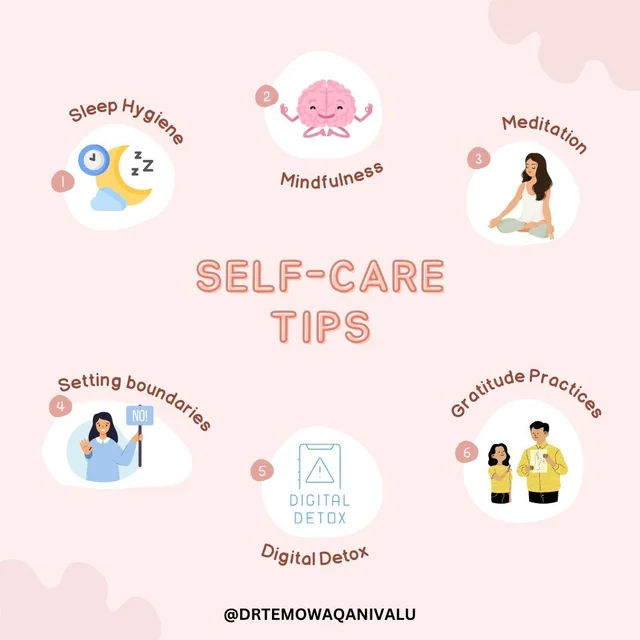
Self-Care in New York is rapidly becoming essential because of the city’s intense pace. Chronic stress is linked to a variety of health problems—from heart disease to mental burnout. Studies from the American Psychological Association confirm that urban residents experience higher stress levels than rural communities, making stress-reducing practices like meditation, journaling, and yoga crucial for long-term health.
2. Rising Healthcare Costs
With healthcare expenses in the U.S. steadily increasing, Self-Care in New York offers a preventative approach that can reduce medical bills. By investing in regular exercise, balanced nutrition, and mental health support, residents can minimize costly emergency visits and chronic disease management. Internal resources such as our Healthy Living Guides provide affordable strategies to support your journey.
3. The Influence of Wellness Culture
The wellness industry in New York has exploded, with countless wellness cafés, meditation studios, and biohacking labs popping up across the five boroughs. This cultural shift reflects a growing acceptance that Self-Care in New York isn’t selfish—it’s self-preservation.
4. Accessibility of Self-Care Services
From free public yoga in Bryant Park to city-funded mental health hotlines, New Yorkers have an ever-expanding network of resources to make Self-Care in New York both affordable and accessible. See our curated list of self-care locations to find one near you.
5. Improved Mental Health Awareness
Self-care is deeply intertwined with mental wellness. The National Institute of Mental Health notes that mental illnesses affect one in five adults annually. New Yorkers are increasingly integrating therapy, mindfulness, and social connection into their daily routines.
6. Prevention of Burnout
In a high-pressure environment, burnout can happen fast. Self-Care in New York acts as a shield—helping individuals maintain productivity without sacrificing their health. Simple acts like taking walking breaks in Central Park or scheduling “no-phone” evenings can restore balance.
7. Diversity of Self-Care Options
No matter your budget or lifestyle, there’s a self-care practice for you. From affordable community acupuncture clinics to high-end wellness retreats, Self-Care in New York offers options for every preference.
8. Integration with Traditional Medicine
Doctors in New York are increasingly prescribing lifestyle changes alongside medications. This medical endorsement of Self-Care in New York signals a blending of preventative and traditional healthcare.
9. Enhanced Community Connection
Group activities—such as running clubs, art therapy workshops, and community gardens—are uniting neighborhoods through self-care initiatives. These programs strengthen social bonds while improving physical and emotional well-being.
10. A Citywide Shift Toward Mindful Living
From mindful eating pop-up events to sensory deprivation tanks, New Yorkers are embracing slow, intentional living as a counterbalance to the city’s pace.
11. Workplace Wellness Initiatives
Corporations in New York now see Self-Care in New York as vital to employee productivity. Many offer free gym memberships, meditation rooms, and flexible schedules to reduce stress.
12. Influence of Social Media
Wellness influencers and digital creators are showcasing self-care practices, inspiring millions to adopt healthier routines.
13. Seasonal Self-Care Adaptations
From winter aromatherapy workshops to summer outdoor fitness programs, self-care in the city evolves with the seasons to maintain engagement.
14. Government Support
Initiatives like NYC Well—a 24/7 mental health support line—make professional help accessible to all residents.
15. Long-Term Health Benefits
By committing to self-care practices now, New Yorkers are investing in a healthier, happier future, potentially extending lifespan and improving quality of life.
How to Start Your Self-Care Journey in New York
Ready to embrace Self-Care in New York? Begin with small, consistent habits—like scheduling weekly nature walks, journaling each morning, and staying hydrated. For more tips, check out our New York Self-Care Guide.
Map of Self-Care Hotspots in New York
https://www.google.com/maps/d/embed?mid=1aB2XfGfA34hfTyeN89C2vYIZFqE&hl=en
Explore our related resources:
Urban Wellness Retreats for the Busy New Yorker
One of the most exciting developments in the Self-Care in New York movement is the rise of urban wellness retreats designed to fit seamlessly into a busy lifestyle. These retreats offer everything from express meditation classes to high-end massage therapy, all within walking distance of major office districts. Whether it’s a 30-minute power nap session in a Midtown sleep pod or a two-hour deep tissue therapy in SoHo, New Yorkers now have the luxury of accessing instant relaxation without leaving the city’s heartbeat. This accessibility has transformed self-care from a weekend indulgence into a weekday necessity.
The Role of Culinary Wellness in Self-Care
Food is at the core of health, and Self-Care in New York has embraced culinary wellness as a foundational pillar. From vegan bakeries in Brooklyn to organic meal-prep services in Manhattan, the city’s dining scene now caters to every nutritional philosophy. Local markets such as the Union Square Greenmarket bring fresh, seasonal produce directly to residents, making nutrient-rich cooking at home both convenient and affordable. In addition, nutritionists and dietitians are partnering with local chefs to host workshops that combine culinary artistry with science-backed dietary guidance.
Holistic Healing Spaces Transforming Neighborhoods
Neighborhoods across the city are experiencing a transformation thanks to the emergence of holistic healing spaces. These spaces integrate therapies like acupuncture, Reiki, aromatherapy, and sound baths into their offerings, allowing residents to experience ancient healing traditions in modern, aesthetically beautiful settings. From the calming candle-lit rooms in Lower Manhattan to plant-filled wellness studios in Williamsburg, Self-Care in New York is now deeply rooted in both cultural diversity and design elegance.
Community-Driven Wellness Programs
One of the most powerful aspects of Self-Care in New York is its sense of community. Wellness doesn’t happen in isolation — it thrives when shared. This is why community-driven programs, such as free tai chi sessions in Bryant Park and wellness book clubs in local libraries, have become staples of the city’s self-care culture. These programs create safe, welcoming spaces where residents can learn, connect, and support each other’s mental and physical health journeys, proving that connection is as essential to health as nutrition or exercise.
The Integration of Technology and Self-Care
New York’s tech-savvy population has seamlessly merged technology with wellness practices. Mobile apps now allow residents to book meditation classes, track their mood, and even access guided breathing exercises during subway commutes. Virtual reality meditation experiences, available at select wellness centers, are taking Self-Care in New York to a futuristic level by offering immersive escapes to serene beaches or lush forests — all without leaving the city. This tech integration ensures that even the busiest New Yorker can prioritize mental and physical health with minimal time investment.
Luxury Spa Experiences Redefining Relaxation
The modern Self-Care in New York movement has elevated the concept of relaxation through high-end spa experiences that rival those of the world’s most luxurious resorts. From mineral-rich hydrotherapy pools in Tribeca to Himalayan salt caves in Queens, these spaces provide an oasis of calm amidst the city’s relentless pace. These spa sanctuaries go beyond simple pampering, incorporating scientifically designed therapies such as infrared saunas, cryotherapy, and lymphatic drainage massage to rejuvenate both body and mind.
Mindfulness Practices Taking Root in Urban Culture
In a city where every second counts, mindfulness has become a game-changer for those embracing Self-Care in New York. Guided meditation studios, rooftop yoga classes overlooking the skyline, and sound healing events in art galleries are becoming part of the weekly routine for thousands of residents. By encouraging stillness and presence, these practices counterbalance the overstimulation of city life, allowing New Yorkers to recharge and realign their mental focus.
Fitness Studios Tailored for Mental and Physical Renewal
The fitness landscape has transformed, with boutique studios blending intense physical workouts with mindfulness-based cooldowns. Locations offering pilates, barre, or functional strength training often conclude sessions with breathing exercises, guided reflection, or aromatherapy. This integrated approach to movement is making Self-Care in New York more holistic, ensuring participants leave not only stronger, but also more centered and mentally balanced.
Nature Escapes Within the City Limits
For many residents, the ultimate form of Self-Care in New York is escaping into nature — without ever leaving the five boroughs. Spaces like the High Line, Brooklyn Botanic Garden, and the Conservatory Garden in Central Park offer lush, tranquil settings where city noise fades into the background. Walking meditation paths, bird-watching areas, and seasonal flower festivals provide endless opportunities for urban dwellers to find restorative calm in green spaces that feel worlds away from the concrete jungle.
Wellness Tourism in the Heart of the City
The rise of wellness tourism has placed Self-Care in New York at the forefront of global health-conscious travel. Hotels are introducing in-room aromatherapy kits, curated plant-based dining menus, and exclusive spa partnerships to cater to wellness-focused guests. Some even offer dedicated wellness concierges who design personalized itineraries that blend sightseeing with rejuvenating treatments, ensuring visitors leave the city feeling more energized than when they arrived.
Gourmet Nutrition and Conscious Eating
The culinary scene is embracing Self-Care in New York through the rise of gourmet health dining experiences. Restaurants and cafés are now crafting menus centered on nutrient-rich, locally sourced ingredients, blending indulgence with wellness. Whether it’s adaptogenic lattes in SoHo, farm-to-table brunches in Brooklyn, or raw vegan tasting menus in the East Village, these venues prove that health-conscious eating can be a luxurious, flavorful experience. Many chefs are collaborating with nutritionists to design dishes that support energy, mood, and long-term vitality.
Personalized Wellness Coaching for Urban Lifestyles
One of the fastest-growing trends in Self-Care in New York is the use of personalized wellness coaching tailored to the unique challenges of city living. These coaches offer one-on-one guidance on nutrition, stress management, fitness, and sleep optimization, ensuring every plan is realistic yet transformative. With both in-person sessions and virtual support, busy professionals can integrate self-care strategies seamlessly into their packed schedules, turning wellness from an afterthought into a daily priority.
Tech-Enhanced Self-Care Solutions
Technology is now a powerful ally in the world of Self-Care in New York. From AI-driven meditation apps that adapt to your emotional state to smart fitness devices that track recovery, urban dwellers have access to tools that make wellness both measurable and accessible. Even high-end massage chairs and home infrared saunas are being integrated into apartments, proving that self-care isn’t limited to weekends at the spa — it can be woven into the fabric of everyday life with the help of innovative tech.
Creative Arts as a Form of Therapy
The city’s vibrant arts culture is playing an unexpected but vital role in Self-Care in New York. Art therapy studios, community pottery workshops, and urban photography walks are giving residents a creative outlet to process emotions, reduce stress, and reconnect with their inner selves. Immersive experiences, such as interactive art exhibitions or candlelit classical concerts, provide not only entertainment but also emotional nourishment, making creativity an essential part of the self-care toolkit.
Workplace Wellness Programs Redefining Professional Culture
Corporate environments are transforming with a new emphasis on Self-Care in New York. Companies are introducing on-site meditation rooms, flexible work schedules, and wellness stipends that employees can use for fitness classes or mental health support. These initiatives are fostering healthier work-life balance, boosting productivity, and reducing burnout, proving that self-care benefits not only individuals but entire organizations.
Evening Rituals for Urban Renewal
As the sun sets, the city comes alive with opportunities for restorative Self-Care in New York. Candlelit yin yoga, rooftop sound baths, and guided moonlight meditations offer a peaceful counterbalance to the day’s chaos. These evening rituals help regulate circadian rhythms, promote deep sleep, and encourage mindful reflection — essential elements for thriving in an environment that never truly sleeps.
Frequently Asked Questions About Self-Care in New York
1. Why is Self-Care in New York becoming such a powerful health movement?
Self-Care in New York is growing rapidly because the city’s fast-paced lifestyle demands intentional recovery and mental balance. With high stress levels, competitive work environments, and constant sensory stimulation, New Yorkers are increasingly seeking practices that restore physical energy and emotional resilience. From holistic wellness studios to mindfulness retreats, the movement is reshaping how residents view health — shifting the focus from reactive treatment to proactive prevention. It’s no longer a luxury; it’s becoming a necessity for long-term vitality in an urban environment.
2. How does self-care improve mental health in a busy city?
Self-Care in New York directly supports mental health by reducing stress hormones, improving mood regulation, and enhancing focus. Practices such as guided meditation in Central Park, weekly therapy sessions, and participation in creative arts programs help urban dwellers process emotional challenges more effectively. In a city that never sleeps, intentional moments of stillness and restoration can prevent burnout, improve cognitive clarity, and foster a deeper sense of connection to oneself.
3. Are there affordable self-care options for those on a budget?
Absolutely — Self-Care in New York doesn’t have to mean expensive spa treatments or luxury retreats. Many affordable options exist, including community yoga classes, free outdoor fitness sessions in city parks, donation-based meditation centers, and public art therapy workshops. Even simple activities like evening walks along the Hudson River or visiting the New York Public Library for mindfulness reading can be powerful acts of self-care. The city’s diverse offerings make wellness accessible to all income levels.
4. Can self-care help with physical fitness goals?
Yes — in fact, Self-Care in New York often bridges physical wellness and mental clarity. Incorporating recovery-focused activities such as stretching, massage therapy, and restorative yoga alongside strength training or cardio can enhance performance and prevent injury. Many boutique gyms and fitness studios now include guided cool-downs, breathwork, and mobility exercises to ensure workouts leave clients energized rather than depleted.
5. What role does nutrition play in the self-care movement?
Nutrition is a cornerstone of Self-Care in New York. Many residents are embracing plant-forward diets, clean eating, and mindful dining experiences that support sustained energy. Farm-to-table restaurants, organic juice bars, and sustainable meal delivery services are thriving, offering meals that nourish the body and delight the senses. This focus on nutrient-rich, seasonal ingredients aligns with the city’s growing emphasis on health as a lifestyle rather than a short-term fix.
6. Are mental wellness retreats available within the city?
Yes — Self-Care in New York includes a variety of in-city retreats designed for mental and emotional restoration. From weekend-long mindfulness workshops in converted loft spaces to day retreats at luxury hotels offering spa, yoga, and nutrition programs, residents don’t need to leave the city to find peace. These retreats cater to busy professionals, offering flexible schedules and curated experiences that provide maximum benefit in minimal time.
7. How can self-care be integrated into a busy schedule?
One of the key advantages of Self-Care in New York is its adaptability. Short meditation breaks, healthy grab-and-go meals, lunchtime fitness classes, and micro-moments of gratitude practice can all fit into even the busiest day. By breaking self-care into manageable segments, residents can create a consistent routine without feeling overwhelmed or sacrificing productivity.
8. Are there specific neighborhoods known for wellness culture?
Yes — Self-Care in New York thrives in neighborhoods like Williamsburg, SoHo, and the Upper West Side, where wellness cafés, boutique fitness studios, and holistic health centers cluster together. These areas often host wellness festivals, farmers markets, and community workshops, making it easier for residents to access a variety of self-care experiences in one place.
9. How does technology support the self-care movement?
Technology is a growing ally in Self-Care in New York. Wearable devices track sleep and recovery, AI-powered apps guide meditation and fitness, and online wellness communities connect like-minded individuals for mutual support. Even telehealth mental health services are making therapy more accessible, ensuring residents can prioritize well-being without leaving home.
10. Can self-care practices help prevent burnout?
Absolutely — Self-Care in New York is one of the most effective tools for preventing burnout. Regular engagement in restorative activities like nature walks, mindfulness journaling, and physical therapy reduces chronic stress and helps maintain emotional balance. By making self-care a non-negotiable part of daily life, individuals can maintain high performance without compromising their health.
11. Are there family-friendly self-care activities?
Yes — Self-Care in New York extends to families through activities such as group yoga in the park, weekend hiking trips in nearby nature reserves, and art classes for parents and children. Shared wellness experiences not only strengthen physical health but also build deeper family connections and teach children the value of taking care of themselves from a young age.
12. What role do cultural experiences play in self-care?
Cultural activities are integral to Self-Care in New York. Attending concerts, visiting art galleries, and engaging in theater can provide emotional release, inspiration, and mental refreshment. Immersive cultural experiences also foster social connection, which is a vital component of holistic well-being.
13. How do outdoor spaces contribute to urban wellness?
Outdoor spaces are a vital part of Self-Care in New York. Central Park, The High Line, and Hudson River Park provide natural sanctuaries for exercise, reflection, and relaxation. Access to green space has been shown to reduce stress, improve mood, and enhance cognitive function — all essential to thriving in an urban environment.
14. Are mindfulness practices gaining popularity in New York?
Yes — Self-Care in New York has embraced mindfulness as a mainstream practice. Meditation studios, corporate mindfulness programs, and guided nature meditations are more popular than ever. These practices help residents slow down, focus on the present, and create mental space for clarity and creativity.
15. Can corporate self-care initiatives make a difference?
Corporate wellness programs are revolutionizing Self-Care in New York. Employers are offering meditation breaks, ergonomic workstations, and wellness stipends to encourage healthier lifestyles. These initiatives not only improve employee morale but also increase productivity and reduce absenteeism.
16. What’s the link between self-care and sleep quality?
Improved sleep is one of the most immediate benefits of Self-Care in New York. Establishing evening rituals, reducing screen time, and practicing relaxation techniques like breathwork can lead to deeper, more restorative rest. This is especially valuable in a city where late nights and early mornings are common.
17. Is there a connection between self-care and creativity?
Yes — Self-Care in New York fuels creativity by giving the mind space to rest and recharge. Engaging in activities like painting, music, or dance not only relieves stress but also stimulates innovative thinking. Many artists and professionals use self-care practices to unlock fresh ideas and maintain inspiration.
18. Are there community-driven self-care initiatives?
Community wellness is a growing aspect of Self-Care in New York. Local groups host walking clubs, neighborhood clean-up events, and collective meditation sessions that foster a sense of belonging. Social connection is a key pillar of well-being, and these initiatives help strengthen bonds among residents.
19. How can tourists experience self-care in the city?
Tourists can easily tap into Self-Care in New York by visiting day spas, attending outdoor yoga sessions, or enjoying slow-paced cultural tours. Many wellness hotels also offer in-room spa services, meditation guides, and healthy dining options, ensuring visitors leave refreshed and inspired.
20. Are there seasonal variations in self-care practices?
Yes — Self-Care in New York adapts to the seasons. In summer, rooftop fitness classes and outdoor concerts are popular, while winter brings cozy meditation sessions, indoor art events, and warm, nutrient-dense comfort foods. Seasonal adjustments ensure wellness stays enjoyable and relevant year-round.
21. What are the best self-care trends emerging in 2025?
Some of the top Self-Care in New York trends for 2025 include biohacking-inspired recovery lounges, immersive sound bath experiences, and AI-personalized nutrition programs. These innovations blend science and luxury, offering highly effective and enjoyable wellness solutions.
22. Is self-care helping to reduce healthcare costs?
Indirectly, yes — Self-Care in New York can reduce long-term healthcare expenses by preventing chronic conditions and lowering stress-related illnesses. By investing in wellness now, residents can save significantly on medical treatments later in life, making self-care both a health and financial strategy.
23. Can self-care practices be maintained while traveling?
With portable mindfulness apps, travel-friendly fitness equipment, and healthy snack options, Self-Care in New York can be maintained even during travel. Many frequent flyers incorporate micro-workouts, journaling, and breathing techniques to stay balanced on the go.
24. How can someone start their self-care journey today?
Starting a Self-Care in New York journey begins with small, intentional steps. Choose one daily habit — like five minutes of morning meditation, drinking more water, or taking a short evening walk — and commit to it consistently. Over time, layer in additional practices until self-care becomes a natural part of your routine.