Craft Your Ideal Physique: 7 Unstoppable Strategies for Swift Weight Loss Triumph is an evidence-forward guide for getting leaner without sacrificing strength or sanity. Below you’ll find seven high-impact strategies you can implement today, backed by leading public-health organizations and medical sources. Use the internal links to explore tailored programs on iHOXI Programs and check out meal templates at iHOXI Meal Plans.
Why these strategies? The evidence in brief
Sustainable weight loss is a lifestyle change — not a one-week crash diet. Major health organizations advise a balanced diet, regular physical activity, slow & steady progress, and behaviour change for long-term success. These approaches are supported by the World Health Organization, the U.S. Centers for Disease Control and Prevention, the UK NHS, and clinics like Mayo Clinic. :contentReference[oaicite:0]{index=0}
Strategy 1 — Create a realistic calorie deficit (but don’t starve)
Weight loss ultimately requires a caloric deficit: consume fewer calories than you expend. Aim for a gradual deficit that produces ~0.5–1 kg (1–2 lbs) per week — this is safer and more sustainable than aggressive crash dieting. The Harvard School of Public Health and NHS both emphasise steady loss rather than extreme restriction. Track intake for 2–4 weeks to learn your baseline then reduce calories modestly (e.g., 300–500 kcal/day). :contentReference[oaicite:1]{index=1}
Internal resources: try the iHOXI Calorie Tracker or our Portion & Plate Guide to make this practical.
Strategy 2 — Prioritise protein and fiber for satiety & muscle
Eating adequate protein preserves lean mass while you lose fat — aim for roughly 1.2–2.0 g/kg bodyweight (higher ranges for resistance-trained athletes). Combine protein with high-fiber whole foods (vegetables, legumes, whole grains) to stay full and reduce snacking. WHO and Mayo Clinic guidance both emphasise whole foods, fiber, and balanced macronutrients as pillars of healthy weight loss. :contentReference[oaicite:2]{index=2}
Quick swap: replace sugary cereals with Greek yogurt + berries + oats; swap a processed snack for carrot sticks + hummus.
Strategy 3 — Strength training: protect muscle, turbocharge metabolism
Don’t focus solely on cardio. Resistance training (2–4 sessions/week) preserves or builds muscle mass, which helps metabolic rate and body composition. The Mayo Clinic and Harvard resources recommend combining cardio with strength work for best long-term results. Strength training also improves function and appearance even when the scale moves slowly. :contentReference[oaicite:3]{index=3}
If you’re new to lifting, try a full-body circuit (squat, push, hinge, row, plank) 2× a week, then progress to 3 sessions as you adapt. See our beginner plan at iHOXI Beginner Strength.
Strategy 4 — Move more: cardio + NEAT (non-exercise activity)
Cardio helps calorie burn; the NHS suggests at least 150 minutes of moderate activity weekly as a health baseline, and more if weight loss is the goal. But equally important is NEAT — the energy you burn walking, standing, fidgeting, and performing daily tasks. Increasing NEAT (take stairs, walk meetings, stand while working) yields meaningful extra calorie expenditure without extra gym time. :contentReference[oaicite:4]{index=4}
Tip: use a step-goal or hourly-movement reminder (e.g., 250–500 extra steps per hour) to accumulate extra activity across the day.
Strategy 5 — Sleep, stress, and hormones: optimize the environment
Poor sleep and chronic stress sabotage weight loss by altering hunger hormones (ghrelin/leptin), increasing cravings, and reducing willpower. Public-health guidance highlights sleep, stress management, and mental health as components of healthy weight and lifestyle. Prioritise 7–9 hours of sleep, practice evening wind-down routines, and use short breathwork or walk breaks to reduce stress. :contentReference[oaicite:5]{index=5}
Strategy 6 — Behaviour tools: tracking, planning, and social support
The CDC and NIH emphasize behaviour change — setting specific goals, tracking progress, planning meals, and seeking support improves success rates. Use a food log, weigh weekly (not daily), set micro-goals (e.g., “no liquid calories Monday–Friday”), and lean on accountability — a coach, friend, or group makes the difference. If you need structure, consider evidence-based weight-management programs that include dietary planning, activity, and ongoing support. :contentReference[oaicite:6]{index=6}
Explore iHOXI accountability options at iHOXI Coaching.
Strategy 7 — Medical check & personalise: medications, surgery, or safe supplements
For people with significant obesity, medical options (prescription medications, structured clinical programs, or bariatric surgery) may be appropriate. Always consult a qualified clinician before considering pharmacotherapy or procedures. Trusted clinical sources (Mayo Clinic, NIH) provide guidance on when to explore these options and how to choose safe, evidence-based interventions. :contentReference[oaicite:7]{index=7}
Quick 14-day plan (practical starter)
- Days 1–2: Track everything you eat to find your baseline calories.
- Days 3–7: Cut ~300–500 kcal/day, increase protein, add 2 strength sessions.
- Days 8–14: Add 20–30 min brisk walk 5×/week, aim for more NEAT, practice sleep routine.
This short program is starter-friendly — adapt portions and intensities to your level. For tailored plans, see iHOXI 14-Day Kickstart.
Safety & evidence: what top institutions advise
- WHO — Healthy diet recommendations. WHO stresses whole foods, limit free sugars and saturated fats. :contentReference[oaicite:8]{index=8}
- CDC — Steps for losing weight. Practical goal-setting and monitoring approach. :contentReference[oaicite:9]{index=9}
- NHS — Tips to help you lose weight. Includes activity and portion guidance. :contentReference[oaicite:10]{index=10}
- Mayo Clinic — 6 strategies for weight-loss success. Practical clinical guidance. :contentReference[oaicite:11]{index=11}
- Harvard T.H. Chan School — Healthy weight advice. Emphasises slow, steady changes. :contentReference[oaicite:12]{index=12}
Map locations & trusted places (quick links)
Below are public map links for two global health resources you may want to consult or reference:
- World Health Organization (WHO) — Geneva HQ
Address: 20 Avenue Appia, 1211 Genève 27, Switzerland — map: Open WHO (Geneva) on Google Maps. (WHO headquarters/contact info). :contentReference[oaicite:13]{index=13} - Mayo Clinic — Rochester, MN (main campus)
General campus map & visitor info: Open Mayo Clinic (Rochester) on Google Maps. See Mayo Clinic maps & visitor guide. :contentReference[oaicite:14]{index=14}
(Tip: open these map links on mobile to get navigation and local clinic information.)
Common questions (short answers)
How fast is safe to lose weight? About 0.5–1 kg (1–2 lbs) per week is broadly recommended as safe and sustainable. Rapid loss often leads to muscle loss and rebound. :contentReference[oaicite:15]{index=15} Should I cut carbs entirely? No — reduce refined carbs and added sugars, prioritise whole grains and vegetables. Total calories and food quality matter more than any one macronutrient. :contentReference[oaicite:16]{index=16} Will strength training make me bulky? Unlikely for most people. Strength training helps preserve muscle and gives a toned appearance; women especially tend to get leaner, not bulky, from programmatic resistance training. :contentReference[oaicite:17]{index=17}
Want a personalised plan?
If you’d like a tailored program — macro targets, meal plans, and training circuits — visit ihoxi.xyz/contact to book a free discovery call. For science-based programs and ongoing coaching, explore iHOXI Programs.
References: WHO — Healthy diet; NHS — Tips to help you lose weight; CDC — Steps for losing weight; Mayo Clinic — Weight loss strategies; Harvard T.H. Chan — Healthy weight. (Cited inline above.)
External links open in a new tab. This article is general information and not a substitute for professional medical advice — if you have a medical condition, consult your physician before changing diet, exercise, or taking medications.
The Psychological Edge of Sustainable Weight Loss
Transforming your body begins in the mind. Research shows that individuals who focus on mindset and self-belief have higher success rates when losing weight. Creating daily affirmations, visualizing your ideal physique, and reframing setbacks as opportunities for learning gives you a psychological edge. Instead of seeing weight loss as punishment, you start to view it as a gift to your health and future self. This mindset shift is often the missing ingredient in long-term success.
Hydration: The Overlooked Fat Loss Accelerator
Many underestimate the power of water in shaping their physique. Staying hydrated not only improves metabolism but also curbs unnecessary snacking since thirst is often mistaken for hunger. Aim to drink a glass of water before every meal, and consider herbal teas or mineral-rich water as healthy variations. Proper hydration also enhances exercise performance, allowing you to train harder and burn more calories.
The Role of Micro-Habits in Big Transformations
While grand changes can feel intimidating, micro-habits lay the foundation for extraordinary results. Swapping one soda a day for sparkling water, walking ten extra minutes after dinner, or reducing late-night screen time to improve sleep are small but impactful changes. Over weeks and months, these tiny habits compound, leading to a major transformation that feels effortless rather than overwhelming.
The Importance of Meal Timing
Beyond what you eat, when you eat can make a difference. Some studies suggest that eating earlier in the day, and avoiding late-night snacking, helps regulate insulin and supports fat loss. Intermittent fasting is another strategy that focuses on timed eating windows, but even without formal fasting, aligning meals with natural circadian rhythms can give your metabolism an edge.
Building a Support Network
Weight loss is often more successful when shared. Whether it’s a workout partner, a supportive spouse, or an online community, accountability accelerates results. Sharing progress photos, celebrating milestones, and overcoming plateaus together makes the journey more enjoyable and sustainable. Support networks also buffer against relapse during stressful times, ensuring that you don’t walk the road alone.
Supercharging Recovery for Faster Progress
Fat loss isn’t only about what happens in the gym or kitchen — it’s also about recovery. Muscles grow and repair while you rest, and adequate recovery prevents injury and fatigue. Incorporating stretching, yoga, foam rolling, or even active rest days with light walking supports long-term training consistency. Better recovery means you can push harder during workouts, accelerating calorie burn and physique changes.
Mindful Eating Practices
Slowing down during meals helps you recognize fullness signals and prevents overeating. Mindful eating involves eliminating distractions like phones or television, chewing thoroughly, and appreciating the flavors and textures of your food. This practice not only aids digestion but also allows you to enjoy meals more fully, making healthy eating feel rewarding rather than restrictive.
Tracking Progress Beyond the Scale
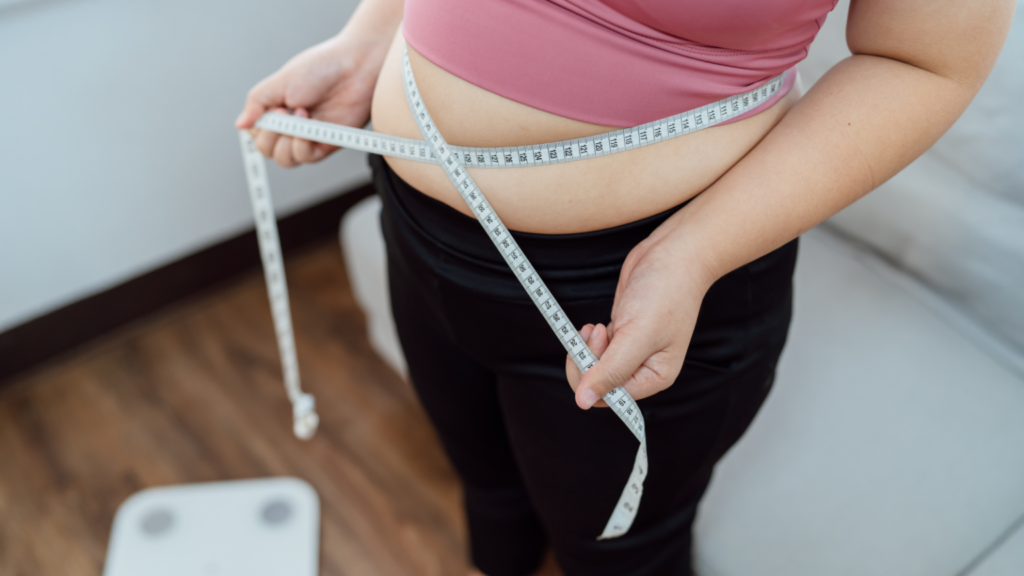
Too many people rely solely on the bathroom scale for feedback, but the number doesn’t tell the whole story. Taking body measurements, tracking body fat percentage, noticing improvements in energy, or monitoring how clothes fit are equally important indicators of success. By broadening your measurement tools, you stay motivated even when the scale fluctuates due to water retention or hormonal changes.
The Link Between Gut Health and Fat Loss
Recent research highlights the importance of gut microbiota in metabolism and weight management. Eating probiotic-rich foods like yogurt, kefir, kimchi, and sauerkraut supports a healthy gut environment, which may improve digestion and nutrient absorption. A balanced gut can also regulate appetite hormones, making it easier to stick to your calorie goals and avoid cravings.
Celebrating Non-Scale Victories
Lasting transformation is about more than dropping pounds. Maybe you notice you can run longer without fatigue, lift heavier weights, or fit into a favorite outfit again. These non-scale victories keep motivation high and reinforce that weight loss is part of a broader health journey — one that makes you stronger, more resilient, and more confident.
Harnessing the Power of Morning Routines
How you start your day determines your energy, mindset, and calorie burn. Crafting a powerful morning routine — such as hydration, light stretching, journaling, and a protein-packed breakfast — primes your metabolism and mental focus. Morning rituals anchor consistency, making it harder to slip back into old habits and giving you a sense of control before the day gets hectic.
The Science of Metabolic Flexibility
Metabolic flexibility is your body’s ability to switch between burning carbs and fats efficiently. Improving this skill through balanced eating, strategic fasting, and regular exercise helps you burn fat without sacrificing performance. By training your metabolism to adapt, you prevent the energy crashes that sabotage weight loss efforts.
Why Walking Is the Ultimate Fat-Loss Secret Weapon
While intense workouts get the spotlight, walking quietly delivers massive calorie-burning potential. It lowers stress hormones, boosts recovery, and increases NEAT (non-exercise activity thermogenesis). Aiming for 8,000–12,000 steps per day builds a consistent calorie deficit without overwhelming the body, making it a cornerstone of lasting transformation.
The Role of Hormones in Weight Regulation
Hormones like insulin, leptin, ghrelin, and cortisol dictate hunger, satiety, and fat storage. Chronic stress, poor sleep, and processed foods disrupt these hormones, leading to cravings and weight gain. Learning how to regulate them through nutrition, rest, and stress management provides a scientific edge in weight loss efforts.
The Emotional Rewards of Physical Transformation
Beyond aesthetics, losing weight enhances self-esteem, resilience, and life satisfaction. Each milestone builds confidence, reminding you of your discipline and growth. These emotional rewards fuel consistency, proving that health goals are as much about personal empowerment as they are about appearance.
Breaking Plateaus: Smart Adjustments That Work
Weight-loss plateaus are inevitable, but they can be broken. Slightly lowering calorie intake, changing workout intensity, or simply improving sleep often reignite fat loss. Recognizing that plateaus are natural helps you avoid frustration and keeps you focused on the bigger picture.
Why Whole Foods Beat Processed Diet Products
Processed “diet” foods often contain hidden sugars, sodium, or artificial additives that stall progress. Whole, minimally processed foods not only nourish your body better but also keep you fuller longer. Shifting toward natural, nutrient-rich meals supports both fat loss and overall health.
Travel-Friendly Fitness Strategies
Travel doesn’t have to derail your progress. Simple bodyweight workouts in a hotel room, portable resistance bands, and mindful food choices at restaurants keep you on track. Planning ahead prevents excuses and reinforces your identity as someone committed to health anywhere.
The Power of Visualization in Weight Loss
Mental imagery is a proven performance tool. Visualizing yourself making healthy choices, finishing workouts, or wearing your ideal outfit primes the brain for success. When combined with action, visualization bridges the gap between intention and reality, making transformation more achievable.
Smart Snacking: Turning Weakness into Strength
Snacking doesn’t have to sabotage weight loss. Choosing nutrient-dense snacks like nuts, boiled eggs, or veggie sticks keeps blood sugar steady and hunger at bay. By reframing snacks as fuel, you transform a potential pitfall into a strategy that enhances consistency.
The Link Between Stress Eating and Weight Gain
Emotional or stress eating is a common barrier. Recognizing triggers — like boredom, fatigue, or frustration — empowers you to respond with healthier coping mechanisms such as walking, journaling, or meditation. Replacing food with non-caloric coping tools protects progress and improves emotional resilience.
Biohacks for Boosting Fat Loss
Small biohacks like cold showers, caffeine before workouts, or standing desks subtly increase energy expenditure. While not magic, these tweaks compound over time, adding hundreds of calories burned weekly without extra effort. Biohacking complements, rather than replaces, foundational habits.
Journaling Your Fitness Journey
Keeping a fitness journal captures progress, setbacks, and emotional reflections. This practice builds awareness of patterns, reinforces positive behaviors, and reminds you of victories during tough times. Reviewing old entries shows how far you’ve come, strengthening motivation.
Community Fitness Challenges
Group challenges, whether through apps or local gyms, create accountability and friendly competition. Competing to hit step goals, weekly calorie burns, or healthy meal check-ins adds excitement. The social pressure fuels adherence, turning weight loss into a game you don’t want to lose.
The Power of Protein Timing
Consuming protein throughout the day maximizes muscle preservation and satiety. Spacing intake evenly — instead of eating most at dinner — keeps you energized and supports recovery. This simple tweak prevents muscle breakdown and keeps cravings under control.
Resetting After a “Bad” Day
Everyone slips up. The key is not perfection, but recovery. Instead of punishing yourself after an indulgent meal, reset with hydration, movement, and balanced meals. Quick recovery prevents one bad choice from spiraling into a lost week, protecting long-term momentum.
The Role of Micronutrients in Fat Loss
Vitamins and minerals regulate metabolism, energy, and mood. Deficiencies in vitamin D, magnesium, or iron can stall progress. Prioritizing nutrient-dense foods and considering supplementation under medical advice ensures your body has the tools it needs to shed fat effectively.
Gamifying Your Fitness
Turning workouts and healthy eating into a game keeps motivation high. Apps that award points, track streaks, or unlock achievements make consistency rewarding. Gamification transforms discipline into fun, encouraging you to keep going long after initial motivation fades.
Meal Prepping as a Weight Loss Superpower
Preparing meals in advance removes decision fatigue, reduces temptation, and ensures portion control. Having healthy food ready prevents impulsive fast-food stops and keeps calories in check. Meal prep is the invisible weapon of many successful transformations.
Environmental Design for Fat Loss
Surroundings shape habits. Keeping unhealthy snacks out of sight, placing workout clothes by your bed, and filling your fridge with whole foods all reduce friction. By designing your environment intentionally, you make the healthy choice the easy choice.
Why Consistency Beats Perfection
Perfect diets and workouts don’t exist. What matters is showing up consistently, even imperfectly. Skipping one workout or enjoying dessert occasionally won’t ruin progress, but giving up will. Embracing consistency over perfection ensures results that last.
The Role of Technology in Weight Loss
Wearables, apps, and smart scales provide instant feedback and accountability. From tracking steps to monitoring sleep, technology turns invisible progress into measurable data. This visibility motivates adherence and highlights small improvements that compound over time.
Reward Systems That Reinforce Progress
Positive reinforcement fuels consistency. Setting up non-food rewards — like a massage, new workout gear, or a trip — when you hit milestones makes the journey enjoyable. Celebrating progress keeps motivation high and transforms weight loss into a rewarding adventure.
The Longevity Benefits of Weight Loss
Beyond aesthetics, healthy weight loss lowers the risk of diabetes, heart disease, and joint problems. The benefits extend decades into the future, enhancing not just appearance but also lifespan and quality of life. Every pound lost is an investment in longevity and freedom.
Why Your Identity Shapes Success
The most powerful shift occurs when weight loss becomes part of your identity. Instead of “I’m trying to lose weight,” you think “I’m a healthy, active person.” Identity-based goals stick because they align with who you are becoming, not just what you’re doing temporarily.
Frequently Asked Questions About Achieving Your Ideal Physique
1. What does having an Ideal Physique mean?
Having an Ideal Physique means building a balanced, healthy, and sustainable body composition that aligns with your personal goals and lifestyle.
2. How long does it take to achieve an Ideal Physique?
The time to achieve an Ideal Physique depends on consistency, diet, and training, but most people see noticeable progress within 12–16 weeks.
3. Can women also build their Ideal Physique?
Yes, women can achieve their Ideal Physique by focusing on strength training, nutrition, and hormone balance without fear of “bulking up.”
4. Is diet or exercise more important for an Ideal Physique?
Both play crucial roles, but nutrition is often the foundation of an Ideal Physique because it directly influences fat loss and muscle growth.
5. What type of workout builds an Ideal Physique?
Strength training combined with cardio and flexibility exercises is the most effective approach to developing an Ideal Physique.
6. Do I need supplements for an Ideal Physique?
Supplements can help, but the cornerstone of an Ideal Physique is built on whole foods, proper training, and recovery.
7. How important is sleep for an Ideal Physique?
Quality sleep is essential for recovery, hormone balance, and fat burning, making it a critical part of achieving your Ideal Physique.
8. Can I achieve my Ideal Physique at home?
Yes, you can work toward your Ideal Physique at home with bodyweight exercises, resistance bands, and structured routines.
9. What role does hydration play in an Ideal Physique?
Staying hydrated supports metabolism, energy, and muscle performance, all of which are vital for sustaining an Ideal Physique.
10. Is cardio necessary for an Ideal Physique?
Cardio improves cardiovascular health and accelerates fat loss, making it an effective component of building an Ideal Physique.
11. How can beginners start working on their Ideal Physique?
Beginners should start small with consistent workouts, simple meal planning, and tracking progress to move steadily toward their Ideal Physique.
12. Can I maintain my Ideal Physique while traveling?
Yes, you can maintain your Ideal Physique by making smart food choices, staying active, and carrying portable workout tools.
13. Does genetics affect my Ideal Physique?
Genetics can influence shape and muscle distribution, but dedication and strategy determine how close you get to your Ideal Physique.
14. How much protein is needed for an Ideal Physique?
Consuming 1.6–2.2 grams of protein per kilogram of body weight daily helps build and preserve muscle for your Ideal Physique.
15. Can I achieve an Ideal Physique without a strict diet?
Yes, you can create an Ideal Physique by following balanced, sustainable eating habits instead of restrictive fad diets.
16. What mindset is required for an Ideal Physique?
Consistency, patience, and discipline are the mental tools that make achieving your Ideal Physique possible.
17. How does strength training help build an Ideal Physique?
Strength training promotes muscle growth, boosts metabolism, and sculpts the body, making it vital for an Ideal Physique.
18. Can intermittent fasting help with an Ideal Physique?
Intermittent fasting can support fat loss and calorie control, making it a useful tool for achieving an Ideal Physique.
19. How do I measure progress toward my Ideal Physique?
Tracking body measurements, photos, and strength gains provides better insight into your journey to an Ideal Physique than the scale alone.
20. Can older adults achieve their Ideal Physique?
Yes, with proper training and nutrition, older adults can absolutely reach their Ideal Physique while improving health and mobility.
21. What foods should I avoid for an Ideal Physique?
Processed foods, excess sugar, and trans fats hinder progress and should be limited to develop your Ideal Physique.
22. How important is consistency for an Ideal Physique?
Consistency is the backbone of an Ideal Physique, as sporadic effort rarely leads to lasting transformation.
23. Can stress slow down progress toward an Ideal Physique?
Yes, high stress raises cortisol levels, which can lead to fat storage and slow your progress toward an Ideal Physique.
24. How does flexibility training support an Ideal Physique?
Flexibility training prevents injury, improves posture, and enhances performance, making it essential for a balanced Ideal Physique.
25. Can I enjoy cheat meals and still have an Ideal Physique?
Yes, occasional cheat meals can be part of the plan as long as they fit into your overall strategy for maintaining an Ideal Physique.